
Innovators Transforming Farming and Food Security Nigeria’s agriculture sector is being redefined by technology-driven startups tackling challenges like low productivity, poor market access, and post-harvest losses. These agri-tech innovators are
Innovators Transforming Farming and Food Security Nigeria’s agriculture sector is being redefined by technology-driven startups tackling challenges like low productivity, poor market access, and post-harvest losses. These agri-tech innovators are
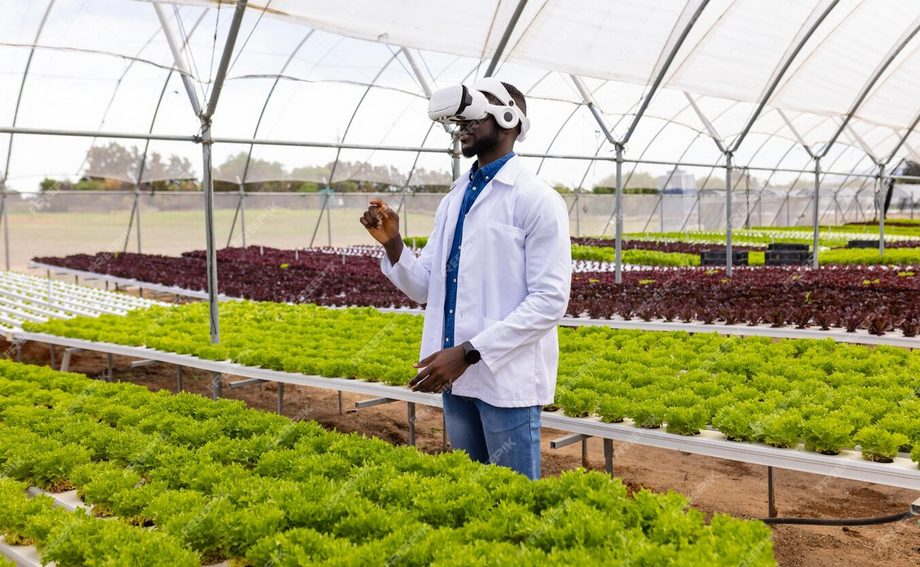
Before the discovery of oil, Nigeria was known as the breadbasket of West Africa. Cocoa, groundnuts, palm oil, and cotton from Nigerian farms fed both local populations and global markets.

Food security—defined as reliable access to sufficient, safe, and nutritious food—is becoming one of Nigeria’s most pressing issues. Rising prices, climate change, and insecurity are threatening not only the availability
How Technology is Transforming Nigeria’s Agricultural Sector Agriculture has always been the backbone of Nigeria’s economy, employing over 70% of rural households and feeding the nation. But today, farming is

How Ordinary Nigerians Can Profit from Agriculture with Technology Agriculture has always been Nigeria’s backbone — but today, it’s not just farmers who can profit from the land. Thanks to

Agriculture has always been the backbone of Nigeria’s economy. Before the oil boom of the 1970s, Nigeria was a leading exporter of cocoa, groundnuts, palm oil, and cotton. Today, however,

A Smart Investor’s Guide to Nigerian Agriculture Agriculture remains one of the most profitable and stable investment opportunities in Nigeria. Thanks to agri-tech platforms, you don’t need to own a
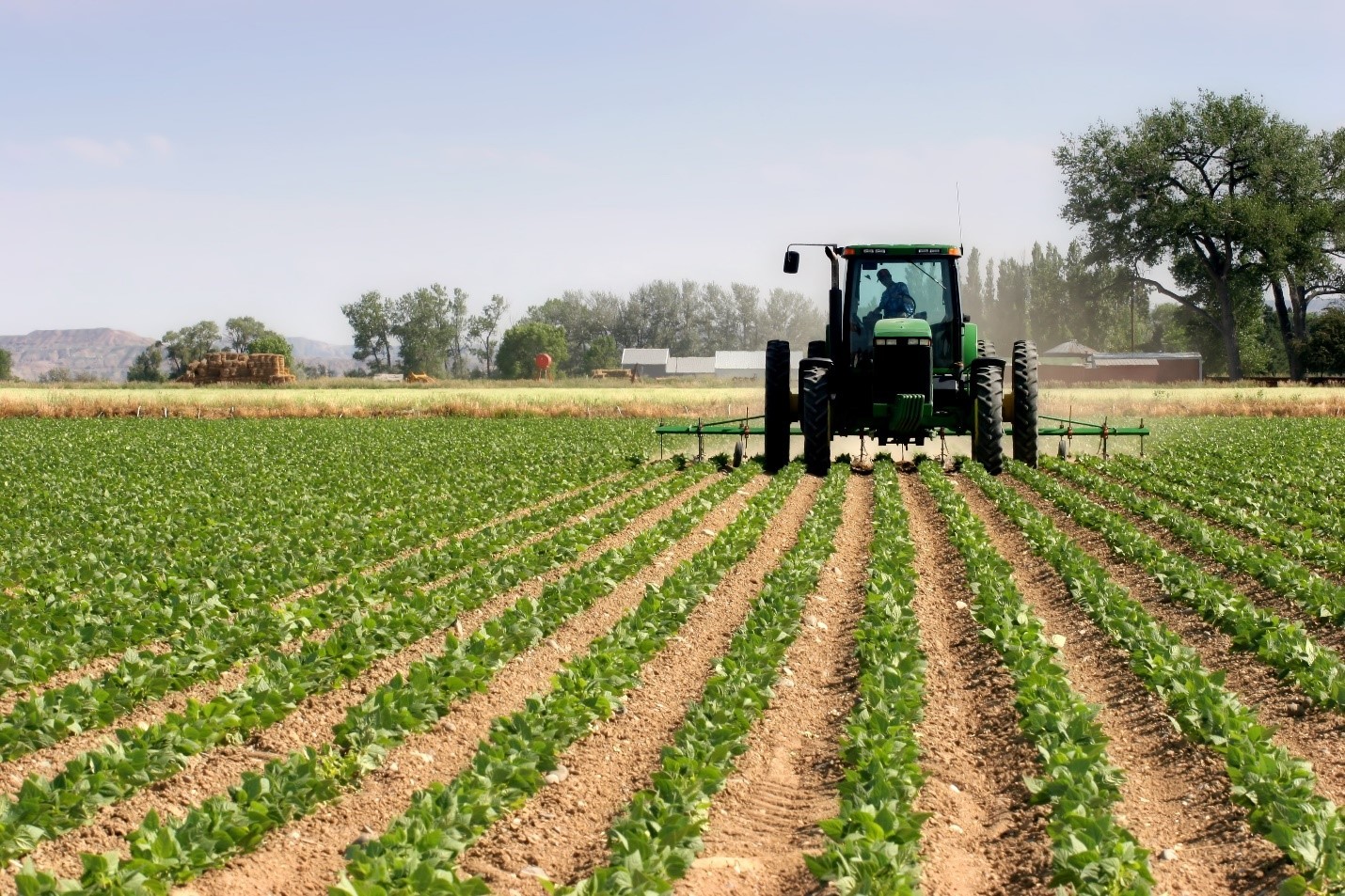
1. The Historical Underpinnings 1.1. The Roots of a Self-Sufficient System: Pre-Colonial Agriculture Before the advent of colonial rule, Nigerian agriculture was characterized by a resilient, self-sufficient, and culturally embedded

🇳🇬 Introduction Long before oil became Nigeria’s economic driver, agriculture was the backbone of the economy. Even today, it remains the largest employer of labor, engaging about 70% of the
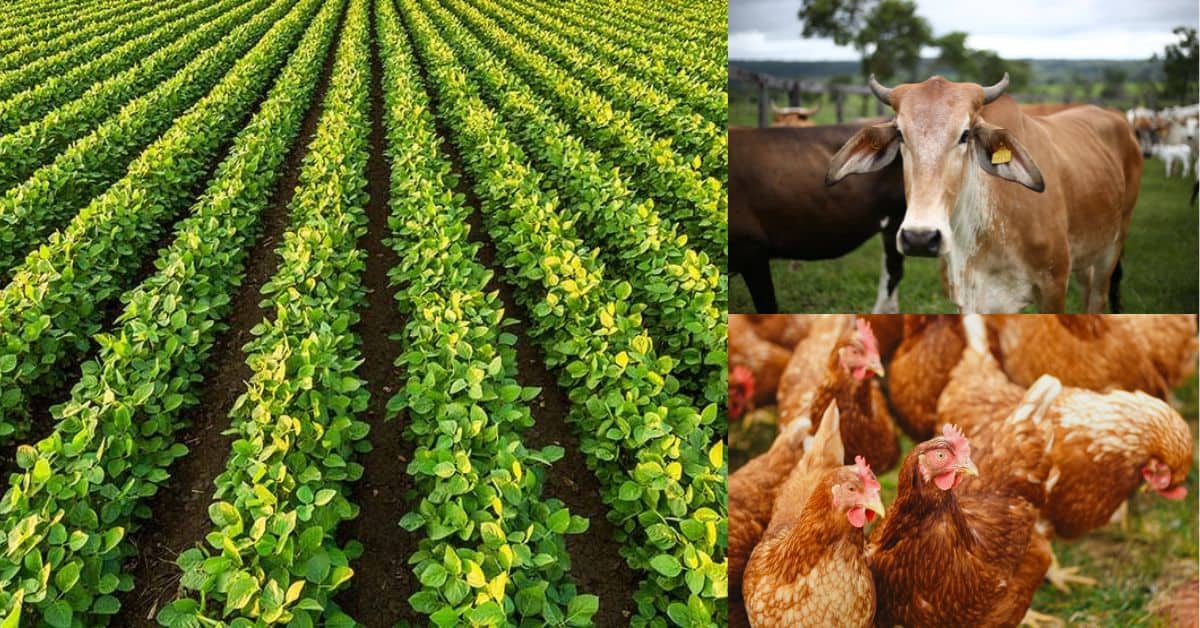
The Nigerian agricultural sector presents a profound and enduring paradox. While it serves as the foundational pillar of the nation’s non-oil economy, contributing a substantial portion of the Gross Domestic