Nigeria: Cities
The Cities of Nigeria
Megacities · Commerce · History · Administration
Explore the bustling metropolises, historic hubs, and economic powerhouses that drive Africa’s most rapidly urbanizing nation.
The shift to an
Urban Future
Nigeria is undergoing one of the most rapid demographic shifts on the planet. Historically an agrarian society with strong rural roots, more than half of the nation’s population now resides in urban centers. This massive migration is driven by the search for economic opportunity, education, and modern infrastructure.
At the forefront is Lagos, an undisputed megacity and the commercial heartbeat of not just Nigeria, but West Africa. Meanwhile, the northern hub of Kano remains a historic and populous center of commerce, tracing its roots back to ancient trans-Saharan trade routes.
Other major anchors include Ibadan, renowned for its massive sprawl and educational heritage; Port Harcourt, the wealthy capital of the oil-rich Niger Delta; and Abuja, the master-planned federal capital built in the 1980s to serve as a central point of unity for the nation.
- Economic Gravity: Cities serve as the primary engines of Nigeria’s GDP.
- Infrastructure Strain: Rapid growth heavily tasks housing, transit, and power.
- Tech & Innovation: Hubs like Yaba (Lagos) drive the continent’s startup scene.
- Cultural Melting Pots: Cities merge Nigeria’s diverse ethnic groups.
Metropolitan Data
Estimated urban agglomeration populations
Explore the Metropolises
Discover the unique identities of Nigeria’s leading cities
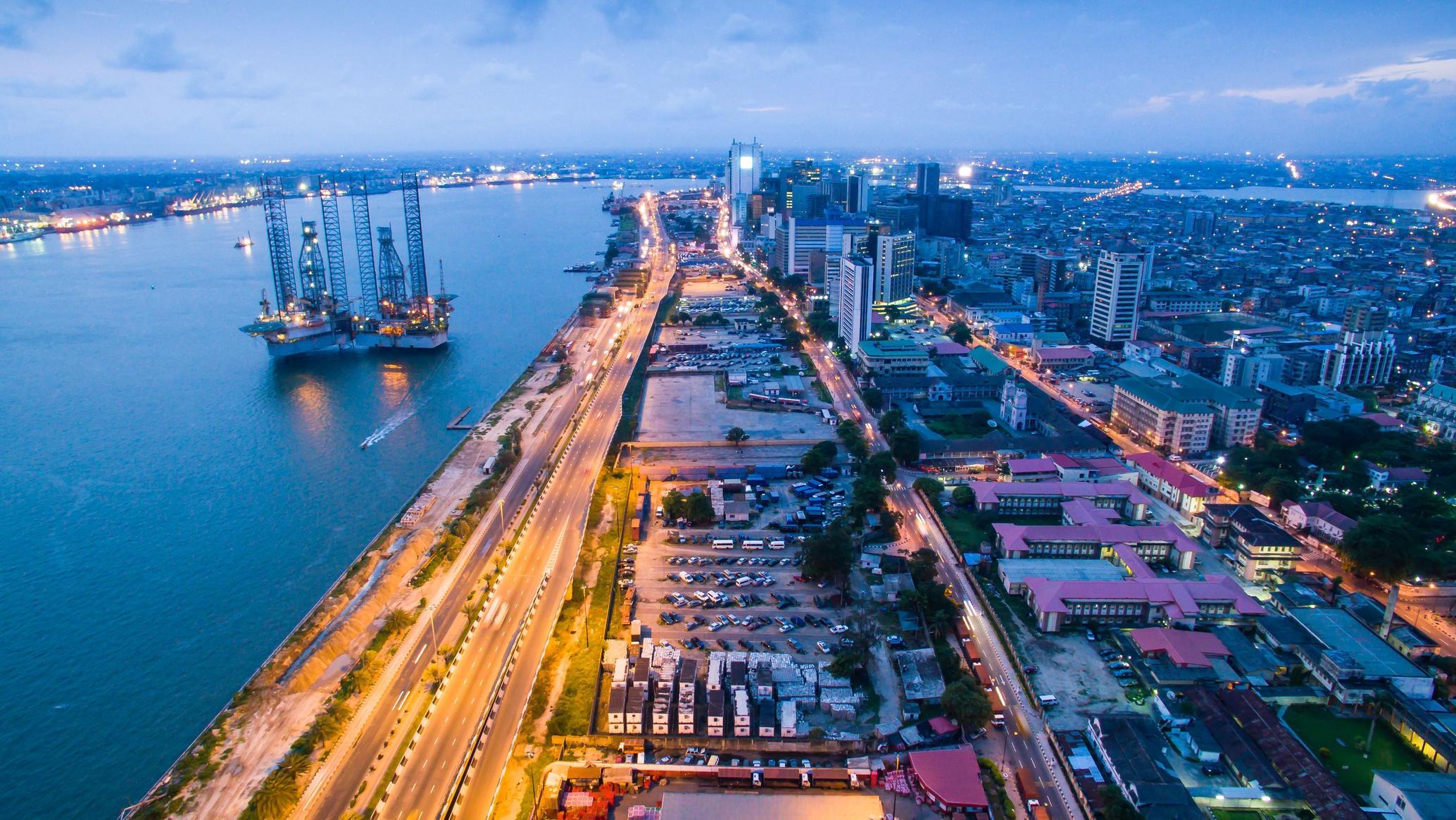
The sprawling skyline of Lagos, demonstrating the rapid vertical and horizontal growth characterizing Nigeria’s modern urban centers.
| Ibadan | Oyo State. The largest city by geographical area; deep historical roots in the South West. |
|---|---|
| Kaduna | Kaduna State. A major industrial center and political focal point in the North. |
| Benin City | Edo State. Renowned for its ancient empire, bronzes, and current rubber industry. |
| Enugu | Enugu State. The historic “Coal City” and the administrative capital of the South East. |
| Onitsha | Anambra State. Home to one of the largest and most dynamic open-air markets in West Africa. |
| Aba | Abia State. A major commercial and manufacturing (textiles/shoes) hub in the East. |
| Maiduguri | Borno State. The principal trading hub of the North East, historically linked to Lake Chad. |
City Profiles
The roles and challenges of Nigerian municipalities
Cities like Lagos and Port Harcourt generate a disproportionate amount of Nigeria’s non-oil and oil revenue, respectively. Lagos alone boasts a GDP larger than many African countries, hosting the headquarters of major banks, telecom giants, and a booming tech ecosystem (frequently dubbed “Yabacon Valley”).
The rapid influx of rural populations places immense strain on urban infrastructure. While high-end developments like Eko Atlantic are rising, significant portions of the urban population live in informal settlements. Addressing traffic congestion (with new light rails in Lagos/Abuja) and power supply remains critical.
Abuja was specifically designed to serve as a neutral, centrally-located capital to unite a diverse nation, replacing Lagos in 1991. Beyond Abuja, state capitals (like Ikeja, Kano, Asaba, and Uyo) serve as massive administrative hubs that dictate regional policy and draw substantial internal migration.
Nigerian cities are the incubators of its global cultural exports. Lagos is the undisputed capital of Afrobeats and the primary base for Nollywood film production. Other cities like Enugu (film), Kano (Kannywood), and Port Harcourt possess distinct, vibrant cultural scenes shaping the national identity.
Urban Populations
Estimates of Nigeria’s largest metropolitan areas
| Rank | City | State | Est. Pop. |
|---|---|---|---|
| 1 | Lagos | Lagos State | 15M – 20M+ |
| 2 | Kano | Kano State | 4M – 5M+ |
| 3 | Ibadan | Oyo State | 3.5M+ |
| 4 | Abuja | FCT | 3M – 3.5M+ |
| 5 | Port Harcourt | Rivers State | 3M+ |
| City | State | Primary Economic Driver |
|---|---|---|
| Benin City | Edo | Agriculture, Trade, Culture |
| Kaduna | Kaduna | Textiles, Manufacturing, Military |
| Onitsha | Anambra | Massive Retail Commerce (Main Market) |
| Aba | Abia | Manufacturing, Artisanship, Trade |
| Enugu | Enugu | Administration, Education, Media |