(Part of the Nigeria234.com Civil War Series (1966–1970)) 📝 Introduction Wars are not only fought with guns and soldiers — they are powered by economics. In the Nigerian Civil War
(Part of the Nigeria234.com Civil War Series (1966–1970)) 📝 Introduction Wars are not only fought with guns and soldiers — they are powered by economics. In the Nigerian Civil War

(Part of the Nigeria234.com Civil War Series (1966–1970)) 📝 Introduction During the Nigerian Civil War (1967–1970), the Nigerian diaspora — students, intellectuals, professionals, and activists living abroad — played an

(Part of the Nigeria234.com Civil War Series (1966–1970)) 📍 Quick Facts 👶 Early Life & Education ✒️ Literary Career Major Works: ⚡ Okigbo and the Civil War 🌍 Global Recognition

(Part of the Nigeria234.com Civil War Series (1966–1970)) 📝 Introduction Few works of fiction have brought the Nigerian Civil War (1967–1970) to life as powerfully as Chimamanda Ngozi Adichie’s novel
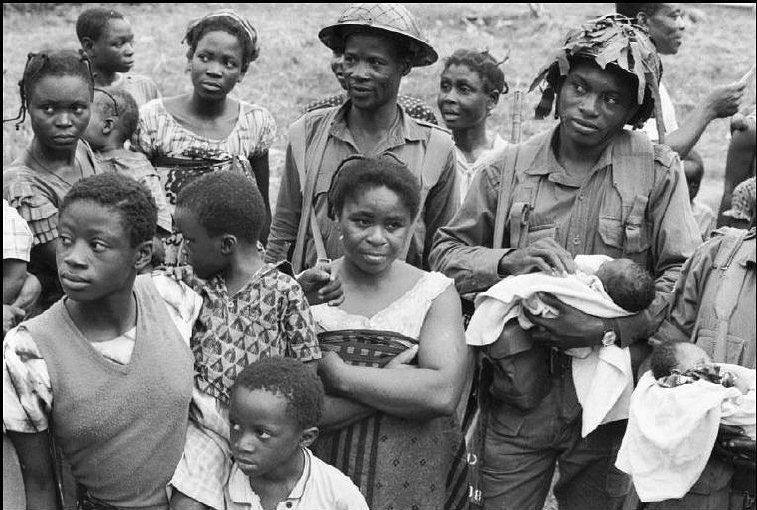
(Part of the Nigeria234.com Civil War Series (1966–1970)) 📝 Introduction Wars are often remembered through the names of generals and politicians. But in the Nigerian Civil War (1967–1970), it was

(Part of the Nigeria234.com Civil War Series (1966–1970)) 📝 Introduction Though the guns of the Nigerian Civil War fell silent in January 1970, the legacy of Biafra still echoes in

(Part of the Nigeria234.com Civil War Series (1966–1970)) 📝 Introduction The Nigerian Civil War (1967–1970) was one of the first African conflicts to be televised and photographed extensively. The global

(Part of the Nigeria234.com Civil War Series (1966–1970)) 📝 Introduction Wars are not only remembered in history books — they live on in stories, poems, songs, and paintings. The Nigerian

(Part of the Nigeria234.com Civil War Series (1966–1970)) 📝 Introduction Of all the victims of the Nigerian Civil War (1967–1970), children suffered the most. Starvation, disease, bombing, and displacement turned

(Part of the Nigeria234.com Civil War Series (1966–1970)) 📝 Introduction In the Nigerian Civil War (1967–1970), religion was not the cause of conflict — it was not a war of