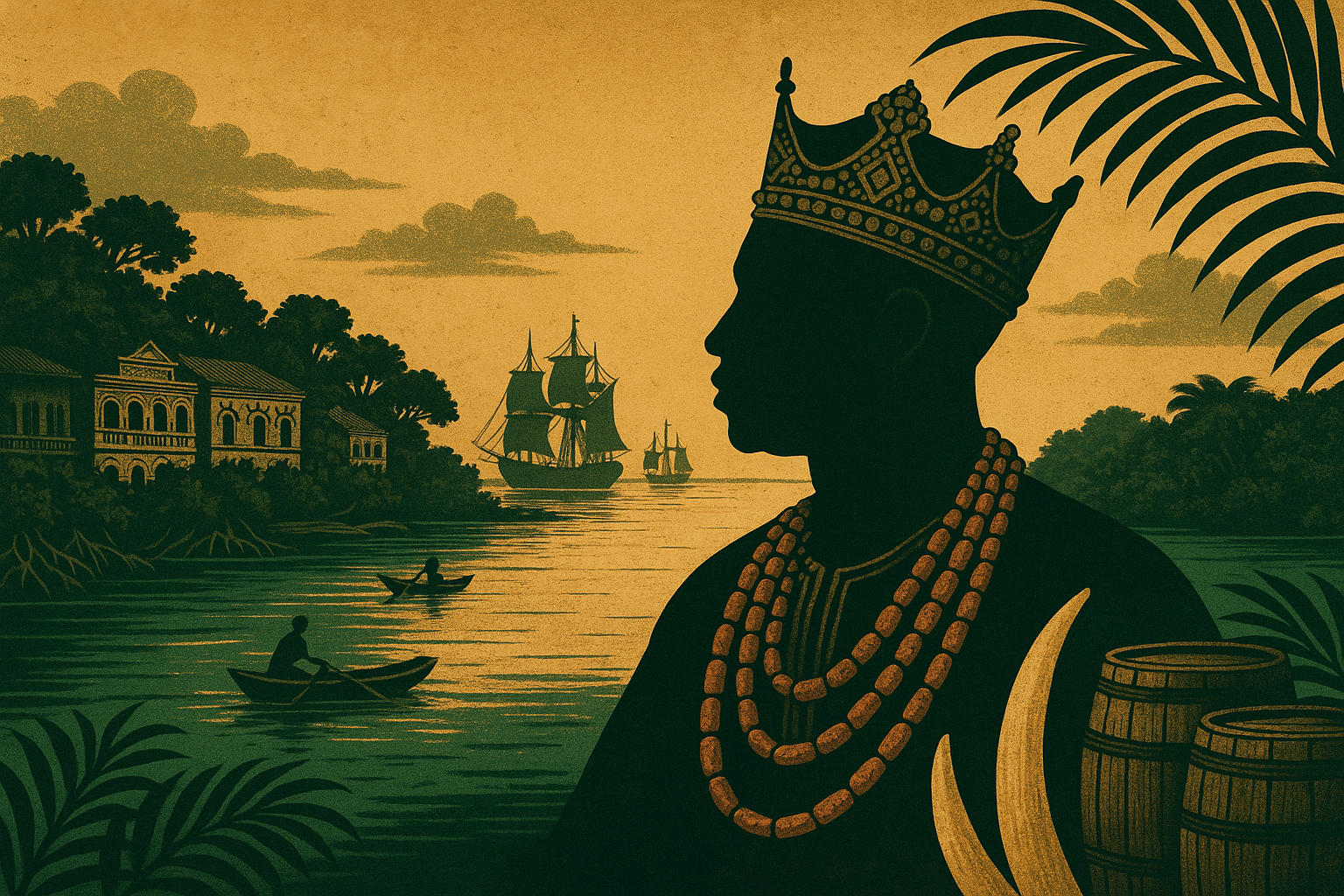
Akitoye (d. 1853) was the Oba of Lagos in two non-consecutive reigns—1841–1845 and 1851–1853. Deposed by his powerful nephew Kosoko, Akitoye returned to the throne with British naval support after
Akitoye (d. 1853) was the Oba of Lagos in two non-consecutive reigns—1841–1845 and 1851–1853. Deposed by his powerful nephew Kosoko, Akitoye returned to the throne with British naval support after

The Atlantic slave trade reshaped societies along the Gulf of Guinea for four centuries. In the region that is now Nigeria, coastal ports, riverine kingdoms, and inland states became enmeshed

Nigeria’s deep past stretches from Late-Pleistocene hunter-gatherers to inventive farmers, artists, navigators, and early iron smelters. Long before written records, people here were shaping landscapes, painting rock shelters, carving monoliths,

Michael Taiwo Akinkunmi (10 May 1936 – 29 August 2023) was the Nigerian student whose simple sketch—three vertical bands of green–white–green—became one of Africa’s most recognizable national symbols. His design,

From Colony to Nation Before independence, the area that became Nigeria flew British colonial ensigns—standard Blue or Red Ensigns defaced with a local badge. On 1 October 1960, at the

Behind the name of Africa’s most populous nation stands an often-overlooked figure—Flora Shaw (1852–1929). A journalist, writer, and later colonial administrator’s wife, Flora Shaw coined the term Nigeria in the

Nigeria, Africa’s most populous country and one of the continent’s cultural powerhouses, carries a name that is both historic and symbolic. But where did the word Nigeria come from, and
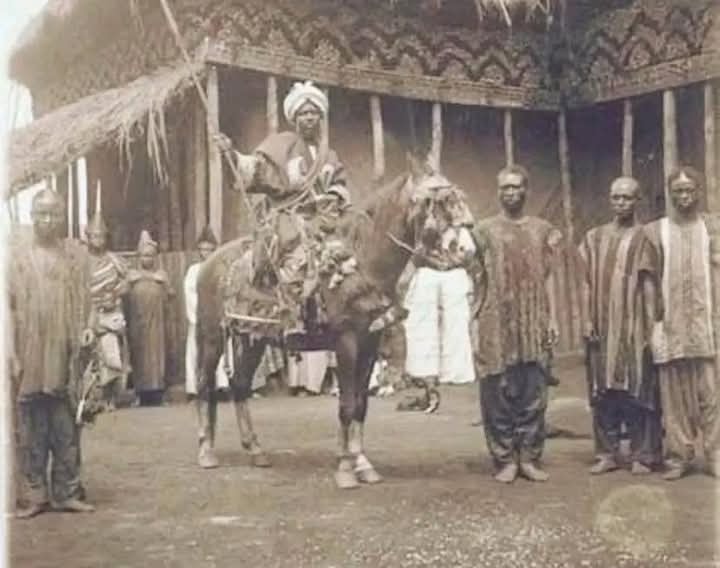
Long before the colonial era, the region now known as Nigeria was home to some of Africa’s most powerful and sophisticated civilizations. These ancient empires and kingdoms developed rich political
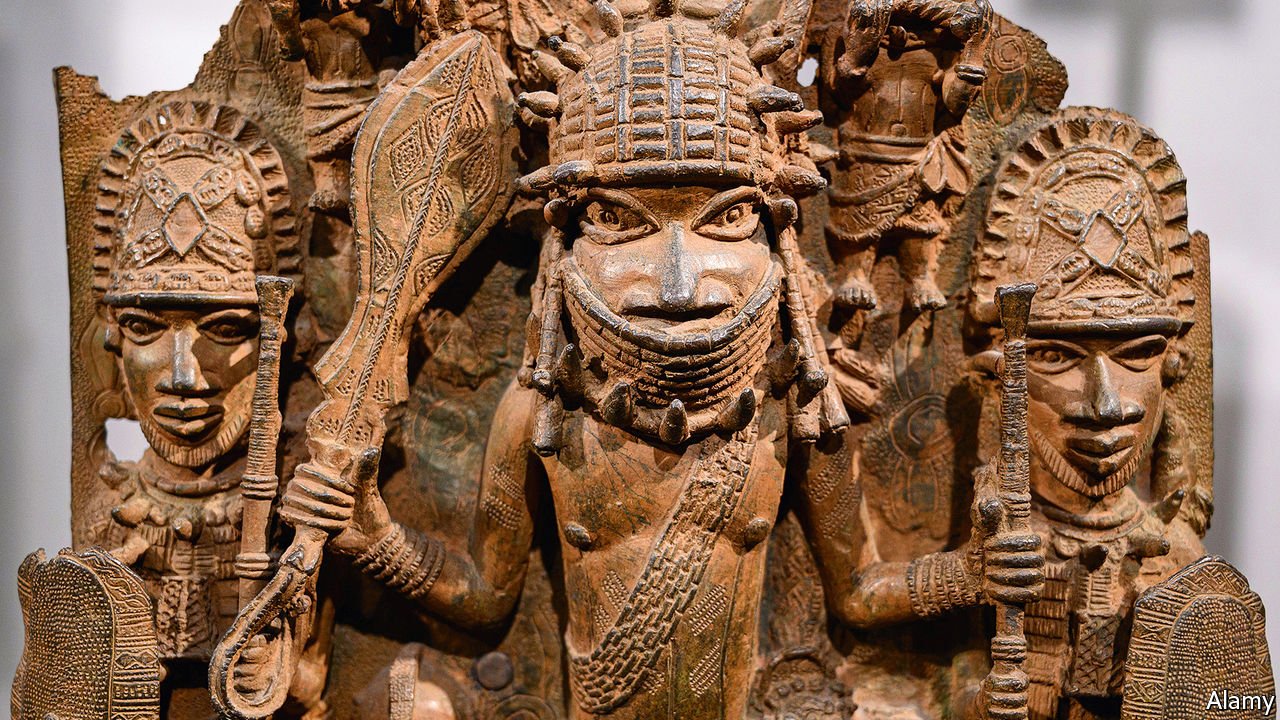
Few cultural treasures have stirred as much global debate as the Benin Bronzes—a collection of thousands of intricately crafted brass, ivory, and wooden artifacts taken from the ancient Kingdom of
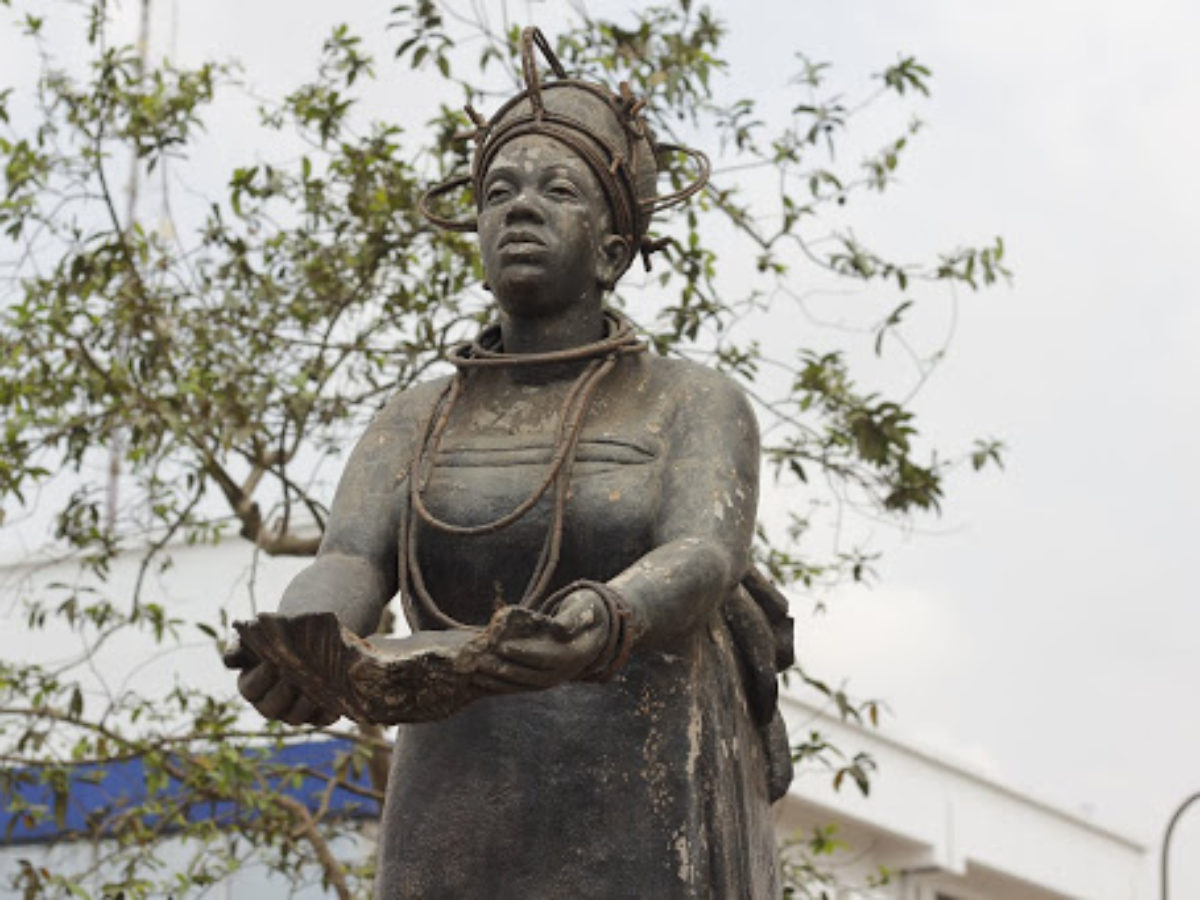
Emotan (fl. 1440–1473) remains one of the most celebrated women in the history of the Benin Kingdom. She was not a queen, warrior, or titled noble, but a humble market