Nigeria has earned its place as Africa’s largest tech hub, with startups in fintech, health tech, agri-tech, and e-commerce attracting billions in investment. While Lagos is often the headline, innovation
Nigeria has earned its place as Africa’s largest tech hub, with startups in fintech, health tech, agri-tech, and e-commerce attracting billions in investment. While Lagos is often the headline, innovation

Nigeria’s tech ecosystem is best known for its fintech giants like Flutterwave, Paystack, and Interswitch. These companies have attracted global investment and positioned the country as Africa’s fintech hub. But

When people talk about Nigeria’s tech ecosystem, fintech often dominates the conversation. With unicorns like Flutterwave, Paystack, and Interswitch reshaping financial services, Nigeria has become Africa’s fintech capital. But the

The way Nigerians shop has changed dramatically in the last decade. From busy open-air markets and neighborhood kiosks to smartphones and digital storefronts, e-commerce has revolutionized retail in Africa’s largest

In today’s world, digital infrastructure is as important as roads and electricity. From e-commerce to education, healthcare to entertainment, reliable internet access is the backbone of modern economies. Nigeria—Africa’s largest

Nigeria is undergoing a rapid digital transformation. With millions of Nigerians banking, shopping, and working online, and with businesses moving operations into the cloud, the promise of a digital economy

Before the discovery of oil, Nigeria was known as the breadbasket of West Africa. Cocoa, groundnuts, palm oil, and cotton from Nigerian farms fed both local populations and global markets.
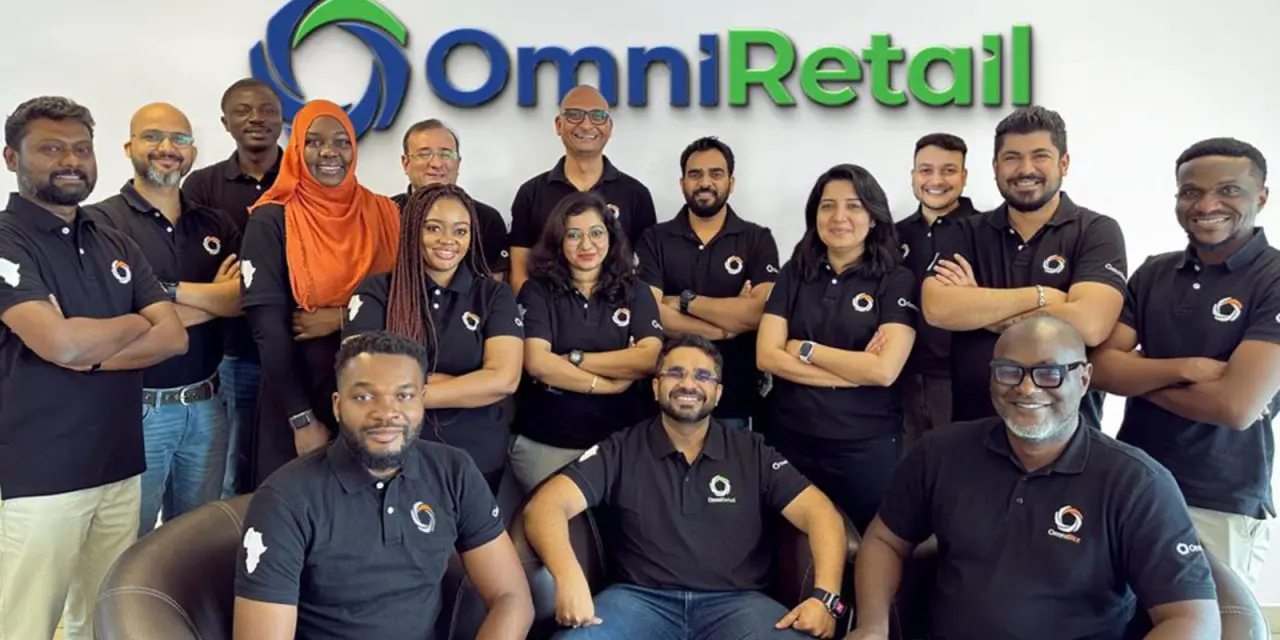
Nigeria is one of Africa’s biggest hubs for innovation and entrepreneurship. In 2025, several startups are making waves, raising millions in funding, and expanding across Africa while solving real local
Gone are the days when you had to scratch recharge cards or queue at kiosks to top up your phone. Today, Nigerians can easily buy airtime and mobile data online
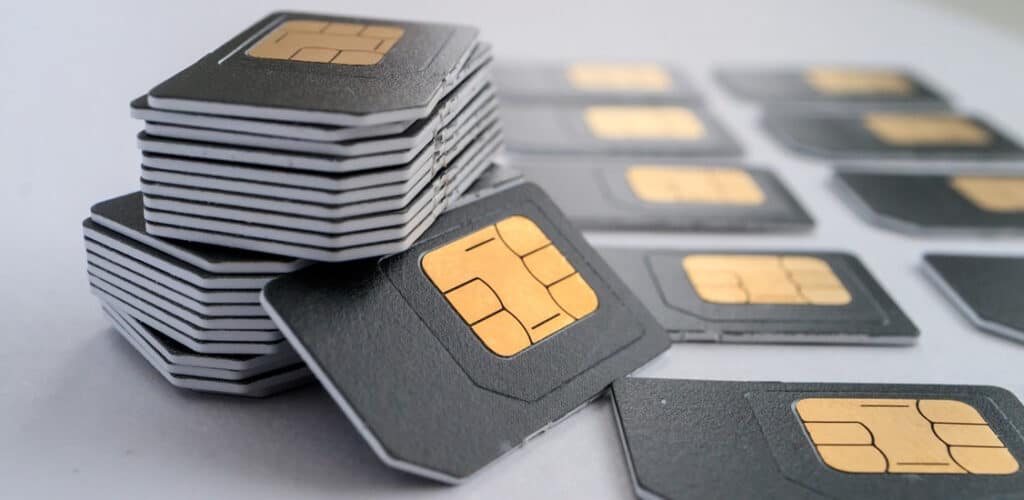
In Nigeria, all SIM cards must be registered in compliance with the Nigerian Communications Commission (NCC) regulations. This process helps link SIM cards to individuals, reducing fraud and improving security.