In many parts of Nigeria, girls face significant barriers to education—poverty, early marriage, insecurity, and cultural norms often stand in their way. Yet across the country, inspiring stories of resilience
In many parts of Nigeria, girls face significant barriers to education—poverty, early marriage, insecurity, and cultural norms often stand in their way. Yet across the country, inspiring stories of resilience

In Nigeria, the pursuit of higher education has long been seen as the golden ticket to success. Parents make sacrifices to send their children to universities, believing a degree guarantees

Universities are meant to be centers of knowledge, innovation, and nation-building. In Nigeria, however, tertiary education is often defined by underfunding, strikes, and systemic inefficiencies. For decades, students and lecturers

Education is often described as the foundation of national development. In Nigeria, however, the rise of private schools has become one of the most striking features of the education landscape.

Education is often called the key to empowerment, but for millions of Nigerian girls, especially in the northern region, that key remains out of reach. Despite progress in enrollment rates

For decades, the Nigerian education system has placed a premium on university degrees. Parents, students, and even employers often see a bachelor’s or master’s degree as the ultimate ticket to

Sports have always been more than just games. Beyond entertainment and competition, they hold immense potential as instruments of empowerment, especially for young people facing poverty, limited opportunities, or social
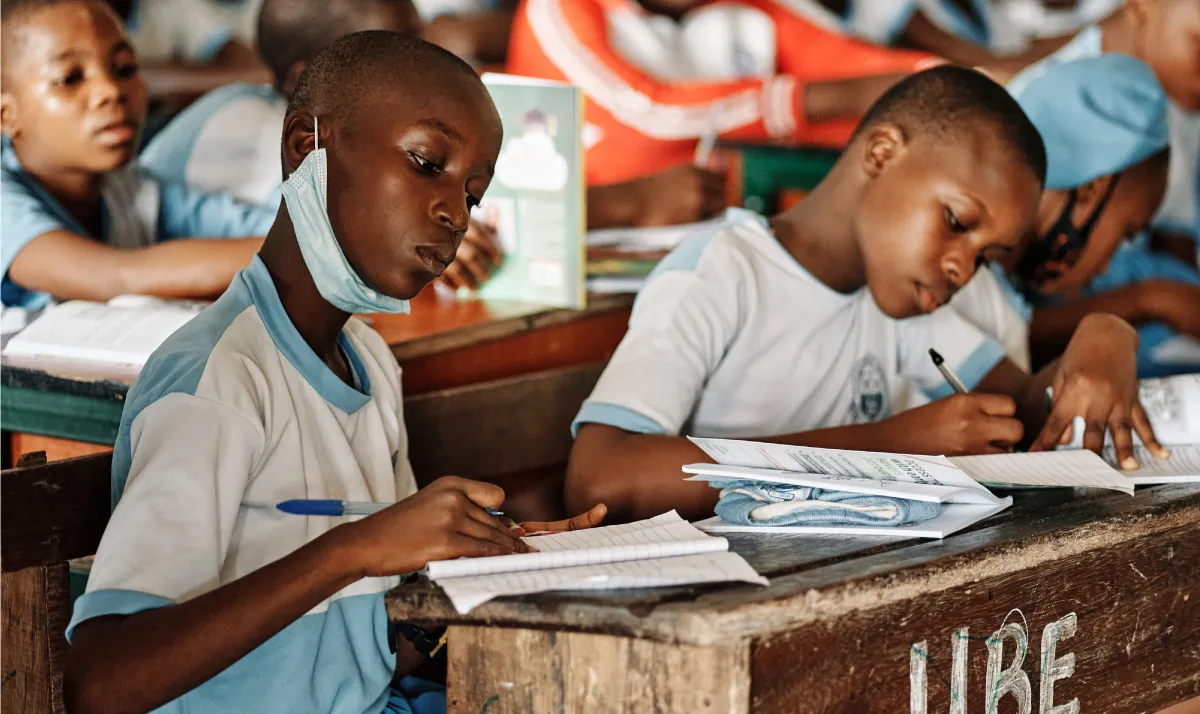
The Nigerian education sector presents a profound paradox, embodying both significant progress and a multi-layered, self-perpetuating crisis. The nation has made noteworthy strides in expanding access to education, with millions

A university degree is no longer enough to guarantee employment in Nigeria. In today’s competitive job market, employers expect graduates to have practical skills that complement their academic knowledge. To

In Nigeria’s competitive economy, some professions offer significantly higher salaries due to their demand, skill requirements, and global relevance. While income may vary by experience, company, and location, the following