Nigerian Billionaires
Nigerian Billionaires
Industry · Telecoms · Oil · Philanthropy
Discover the titans of Nigerian industry whose massive investments in manufacturing, telecommunications, and energy are reshaping the economic landscape of Africa’s largest market.
The architects of
modern enterprise
The landscape of wealth in Nigeria has shifted dramatically over the past few decades. While historically driven by crude oil extraction and government contracts, the new era of Nigerian billionaires is largely defined by massive industrialization, import substitution, and the privatization of national assets.
At the forefront is Aliko Dangote, who has consistently held the title of Africa’s richest person for over a decade. Through the Dangote Group, his wealth is anchored in cement manufacturing, sugar refining, and the recently launched monumental Dangote Petroleum Refinery. He is closely followed by other industrial titans like Abdul Samad Rabiu (BUA Group) and telecom mogul Mike Adenuga (Globacom).
These ultra-high-net-worth individuals exert immense influence over the Nigerian economy. Their conglomerates are the largest private employers of labor in the country, and their philanthropic foundations play critical roles in healthcare, education, and disaster relief across the African continent.
- Manufacturing: Cement and consumer goods (sugar, flour, pasta) driving import substitution.
- Telecommunications: Capitalizing on Nigeria’s massive mobile penetration (e.g., Globacom).
- Energy & Power: Downstream oil, independent power generation, and banking.
Wealth Indicators
The scale of Nigeria’s top conglomerates
Explore the Magnates
The individuals driving the private sector
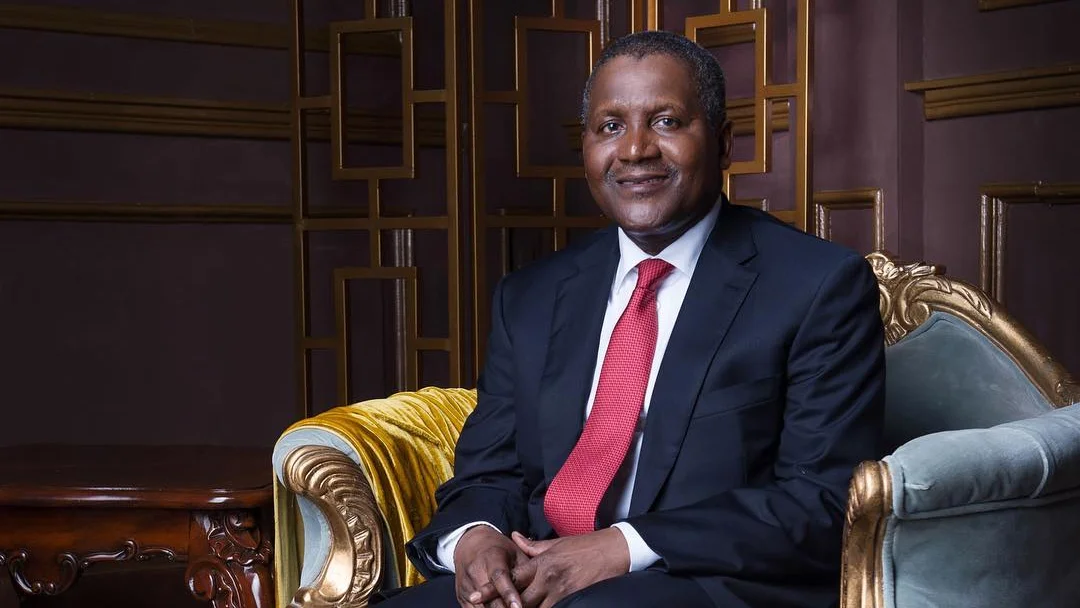
Aliko Dangote, whose business empire spans across Africa, driving industrialization and infrastructure development.
| Aliko Dangote | Dangote Group (Cement, Sugar, Salt, Oil Refining, Fertilizer). |
|---|---|
| Mike Adenuga | Globacom (Telecommunications), Conoil (Upstream/Downstream Oil). |
| Abdul Samad Rabiu | BUA Group (Cement, Sugar, Real Estate, Logistics). |
| Femi Otedola | Geregu Power Plc (Power Generation), First Bank Holdings (Finance). |
| Folorunsho Alakija | Famfa Oil (One of the richest black women in the world, oil exploration). |
Business & Impact
How extreme wealth shapes the nation
Unlike the “petro-billionaires” of the 1990s who built wealth purely on government oil blocks, the modern wealth of Dangote and Rabiu is built on heavy manufacturing. By producing cement and refining sugar locally, these conglomerates drive the government’s import-substitution agenda, creating thousands of jobs and saving foreign exchange.
Nigerian billionaires are increasingly formalizing their charitable giving. The Aliko Dangote Foundation (endowed with over $1.25 billion) focuses heavily on health, education, and economic empowerment. Similarly, the ASR Africa initiative (Abdul Samad Rabiu) grants millions of dollars to African universities, health infrastructure, and social development.
The $19 billion Dangote Petroleum Refinery in Lagos is a testament to the scale of private enterprise in Nigeria. As the largest single-train refinery in the world, it is designed to end Nigeria’s paradoxical reliance on imported refined fuel, aiming to transform the country into a net exporter of petroleum products.
The net worths of Nigerian billionaires are highly sensitive to macroeconomic policies. Because their assets are primarily valued in Naira on the Nigerian Exchange (NGX), significant devaluations of the currency against the US Dollar can drastically reduce their global Forbes rankings overnight, despite their domestic monopolies remaining intact.
Forbes Africa Highlights
Understanding wealth distribution
| Metric | Details |
|---|---|
| Africa’s Richest Man | Aliko Dangote (held for over 12 consecutive years). |
| Total Nigerian Billionaires | Typically 3 to 4 individuals consistently make the global Forbes cutoff. |
| Primary Asset Base | Nigerian Exchange Group (NGX) listed equities. |
| Self-Made vs Inherited | The top figures are overwhelmingly characterized as self-made industrialists. |
| Company | Sector | Founder/Chairman |
|---|---|---|
| Dangote Cement Plc | Building Materials | Aliko Dangote |
| BUA Cement Plc | Building Materials | A.S. Rabiu |
| Globacom (Glo) | Telecommunications | Mike Adenuga |
| Geregu Power Plc | Power Generation | Femi Otedola |