Nigerian Music
The Sounds of Nigeria
Afrobeat · Afrobeats · Highlife · Fuji · Traditional
Dive into the rhythm of Africa’s giant, from the traditional beats of diverse ethnic groups and the rebellious horns of Afrobeat pioneer Fela Kuti to the global explosion of modern Afrobeats.
A rhythm that moves
the world
The musical heritage of Nigeria is as rich and diverse as its population. Rooted deeply in the traditional folk music of its hundreds of ethnic groups—where talking drums, flutes, and vocal harmonies served communicative and ceremonial purposes—the country’s music has continually evolved, absorbing and reimagining global influences.
In the mid-20th century, genres like Highlife and Juju dominated the social scene. By the 1970s, the legendary Fela Anikulapo-Kuti fused Highlife, Jazz, and traditional Yoruba rhythms to invent Afrobeat (without the ‘s’), a politically charged genre characterized by complex instrumentation and rebellious lyrics.
Today, Nigeria rules the global airwaves with Afrobeats (with the ‘s’), a vibrant, highly produced pop genre that blends traditional rhythms with dancehall, hip-hop, and R&B. Superstars like Burna Boy, Wizkid, Davido, and Tems have shattered international records, sold out global arenas, and brought Nigerian culture to the pinnacle of mainstream global entertainment.
- Pre-1950s: Folk traditions, Apala, and early Palm-wine music.
- 1950s–1980s: The golden era of Highlife, Juju (King Sunny Adé), and Fuji.
- 1970s–1990s: The creation and dominance of Fela’s Afrobeat.
- 2000s–Present: The digital explosion of Afrobeats and Street Pop.
Global Impact
Metrics defining Nigeria’s musical success
Explore the Soundscape
From vintage horns to digital basslines
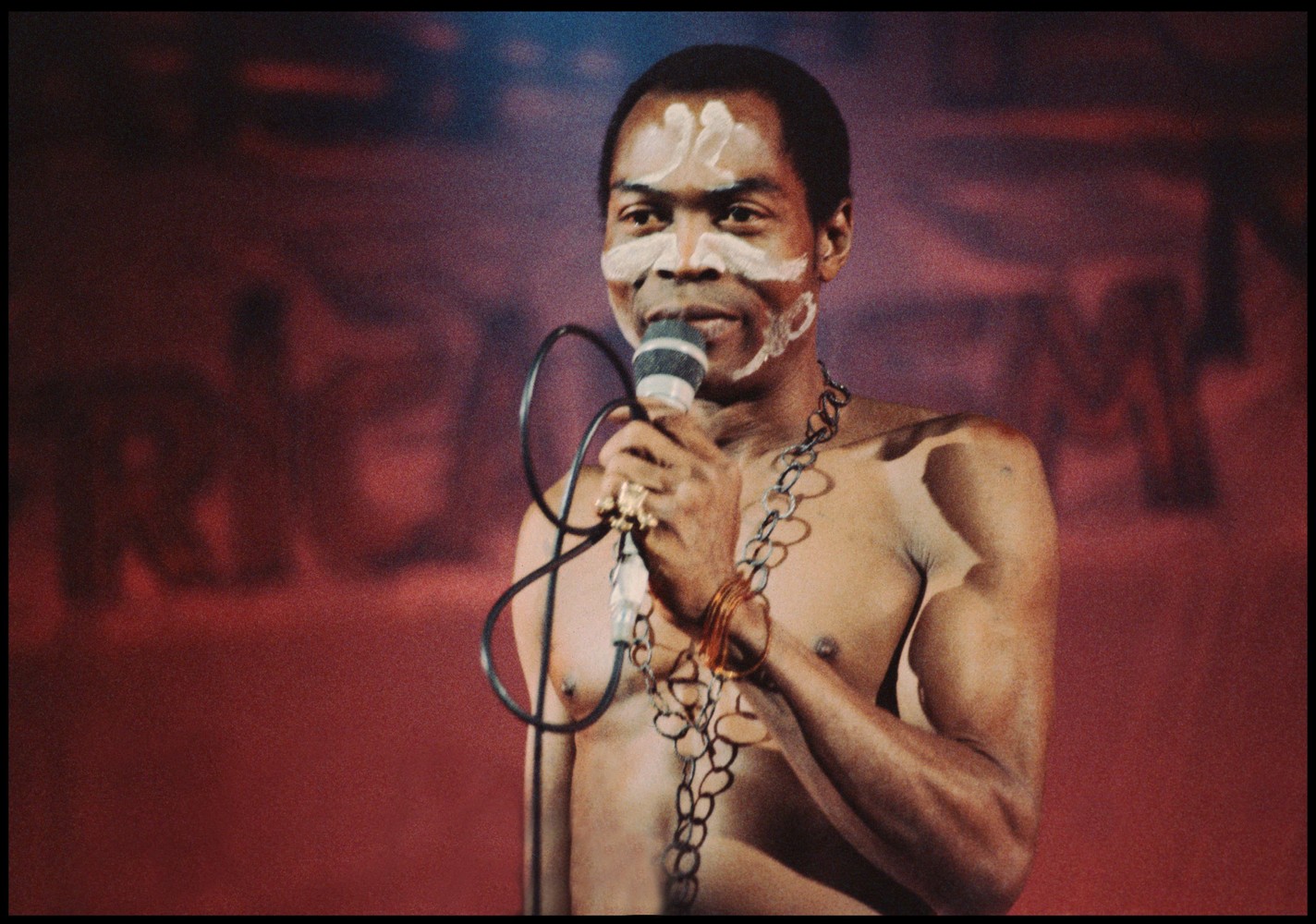
Fela Anikulapo-Kuti (1938–1997), the legendary multi-instrumentalist, bandleader, and political activist who invented Afrobeat.
| South West | Birthplace of Fuji, Juju, and Apala. Heavy use of the Talking Drum (Gangan). |
|---|---|
| South East | The heartland of Highlife (guitar-driven, brass) and traditional Ogene music. |
| Niger Delta | Rich in cultural dance bands; influenced modern acts like Burna Boy and Timaya. |
| The North | Hausa folk music, Goje (two-stringed fiddle), and the booming Kannywood film soundtrack industry. |
| Lagos (Hub) | The melting pot where regional sounds merge with global pop to create modern Afrobeats. |
Cultural Impact
How Nigerian music shapes the world
Music has become Nigeria’s most effective tool for “soft power.” Afrobeats artists are global ambassadors, shifting international perceptions of Nigeria from narratives of conflict or corruption to ones of immense creativity, style, and youth energy.
Every December, Lagos transforms into the entertainment capital of Africa. “Detty December” is a relentless month of massive concerts, beach parties, and festivals, drawing thousands of diaspora Nigerians and global tourists back home to experience the culture live.
Through music, Nigerian Pidgin and Yoruba street slang have entered the global lexicon. Words and phrases from Lagos streets are now sung in clubs in London, New York, and Tokyo, establishing a unique global linguistic footprint.
The success of Afrobeats has brought massive investment from global labels (Sony, Universal, Warner). Indigenous labels like Mavin, YBNL, and Empire play crucial roles in artist development, capitalizing on the shift from piracy to digital streaming revenue.
Eras & Legends
The architects of the Nigerian sound
| Era | Defining Genres | Key Figures |
|---|---|---|
| 1960s – 70s | Highlife, Juju | Victor Olaiya, King Sunny Adé, Ebenezer Obey |
| 1970s – 80s | Afrobeat, Fuji | Fela Kuti, Sikiru Ayinde Barrister |
| Late 90s – 00s | Early Afrobeats / R&B | 2Baba, D’banj, P-Square, Plantashun Boiz |
| 2010s – Now | Global Afrobeats, Alté | Wizkid, Burna Boy, Davido, Rema, Asake |
| Sub-Genre | Description | Notable Acts |
|---|---|---|
| Mainstream Afrobeats | Polished, global pop fusion. | Wizkid, Davido, Tiwa Savage |
| Street Pop | Gritty, fast-paced, slang-heavy. | Olamide, Asake, Zlatan |
| Alté (Alternative) | Indie, R&B, retro-fashion focus. | Odunsi, Cruel Santino, Tems |
| Afro-Fusion / Folk | Deep acoustic and philosophical roots. | Cavemen, Brymo, Johnny Drille |