
Now Reading: The Art of Nigerian Jollof: A Deep Dive into the Jollof Wars, Regional Variations & Secrets to a Perfect Pot
1
-
01
The Art of Nigerian Jollof: A Deep Dive into the Jollof Wars, Regional Variations & Secrets to a Perfect Pot
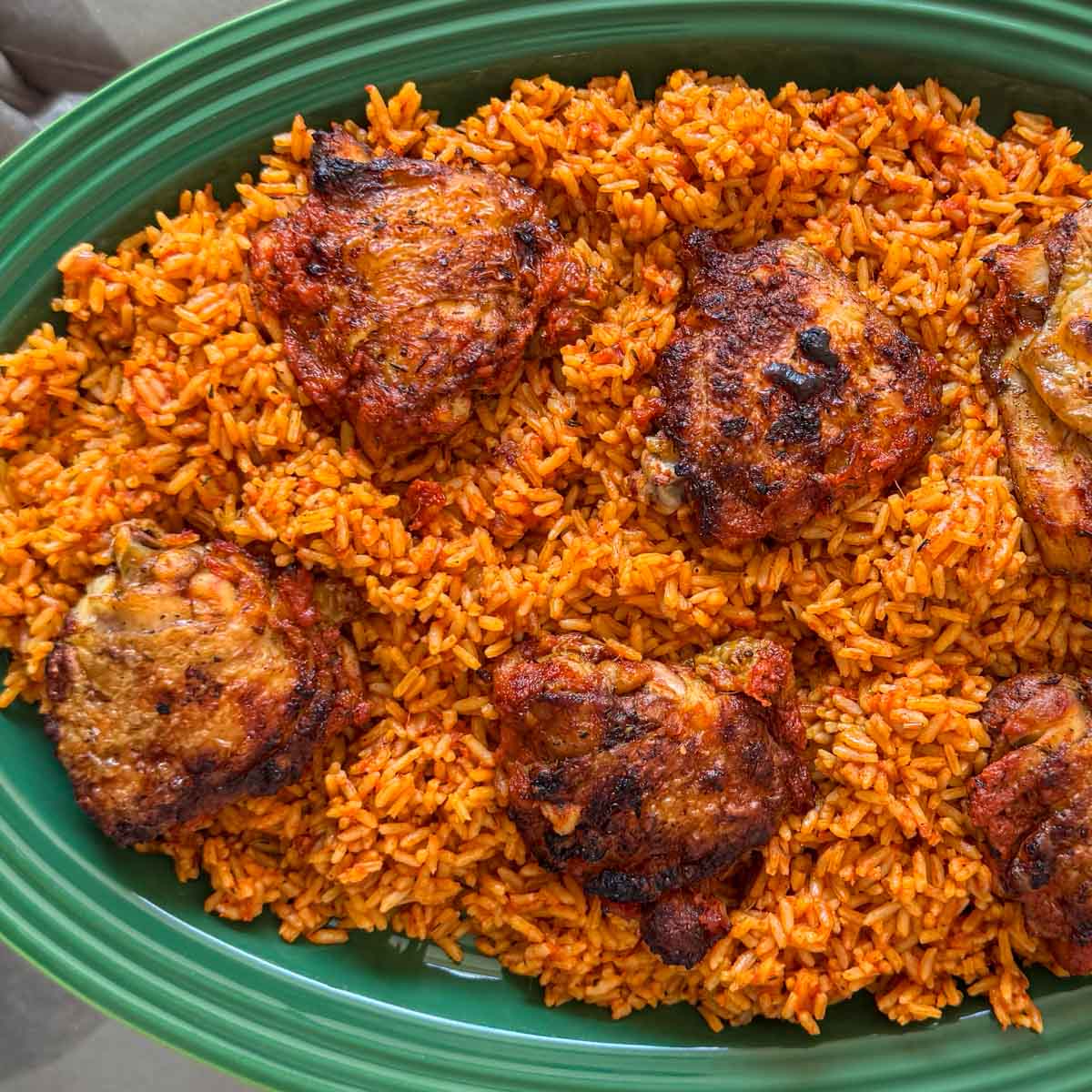
The Art of Nigerian Jollof: A Deep Dive into the Jollof Wars, Regional Variations & Secrets to a Perfect Pot

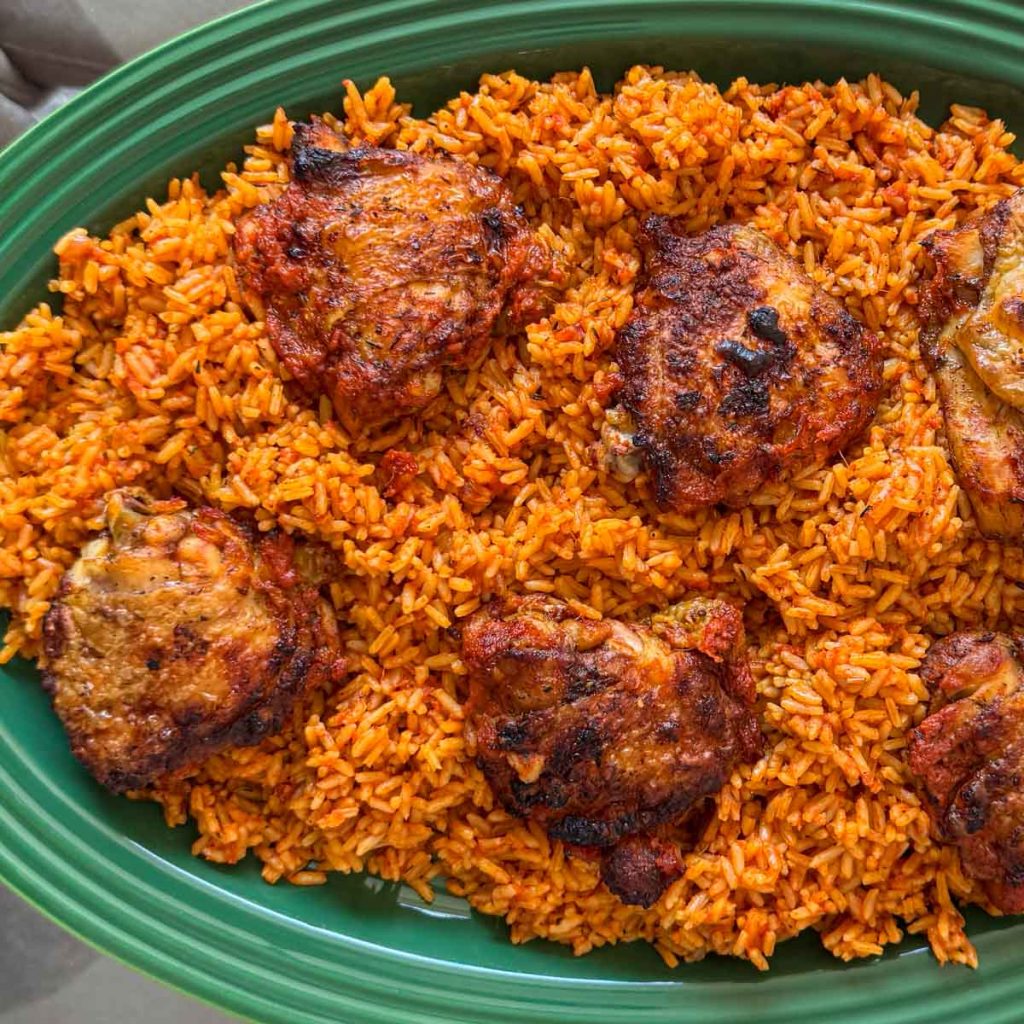
Few dishes ignite as much passion, pride, and debate across West Africa as Jollof rice. In Nigeria, Jollof isn’t just a meal — it’s a national treasure, a dish of celebration, and the centerpiece of weddings, birthdays, and Sunday feasts. But behind this iconic dish lies a story of rivalry, innovation, and cultural identity.
🔥 The Jollof Wars
- The “Jollof wars” pit Nigeria against Ghana, Senegal, and other West African countries in a friendly (and sometimes not-so-friendly) rivalry over who makes the best Jollof rice.
- Senegal claims origin with thieboudienne, a fish-and-rice dish said to be the ancestor of Jollof.
- Ghanaian Jollof tends to use basmati rice, giving it a lighter, drier texture.
- Nigerian Jollof, however, is bold, smoky, and deeply flavored — thanks to long-grain parboiled rice, rich tomato stew, and a signature “party rice” taste.
- On social media, the debate never ends: Nigerians insist theirs is the king of Jollof.
🍅 Anatomy of Nigerian Jollof
At its core, Nigerian Jollof is made from:
- 🥫 Tomato base: Fresh tomatoes, tomato paste, red bell peppers, onions.
- 🌶️ Pepper mix: Scotch bonnet (atarodo) for that Nigerian heat.
- 🌿 Seasonings: Curry powder, thyme, bay leaf, bouillon cubes.
- 🍚 Rice: Long-grain parboiled rice to absorb flavors.
- 🧈 Oil: Often vegetable or palm oil, with butter for richness.
🍛 Regional Variations in Nigeria
Even within Nigeria, Jollof takes on different forms:
- Party Jollof: The smoky, firewood-cooked version served at weddings and ceremonies — unrivaled in flavor.
- Home Jollof: Simpler, often cooked with less oil and spice, but still comforting.
- Mixed Jollof: With vegetables, beef, chicken, or fish mixed directly into the pot.
- Specialty Jollof: Some regions add prawns, goat meat, or plantains for unique local flair.
🤫 Secrets to the Perfect Nigerian Jollof Pot
- The Base is Everything – Take time to fry the tomato-pepper paste until the raw taste disappears (ata dindin method).
- The Right Rice – Use parboiled long-grain rice; it doesn’t get soggy.
- Low & Slow – Steam the rice gently so it soaks in flavor.
- Burnt Bottom Magic – That slightly burnt, smoky flavor (“party rice taste”) is a feature, not a bug.
- Balance – Spice, seasoning, and oil must harmonize without overpowering.
🎉 More Than a Dish
- Nigerian Jollof represents unity in diversity: a dish enjoyed across tribes and religions.
- It’s a status symbol at events — no party is complete without it.
- It’s also a soft power tool, with Nigerians abroad proudly defending their version in the global “Jollof wars.”
🌍 Global Recognition
- Nigerian Jollof has been featured by CNN, BBC, and food critics worldwide.
- Food festivals in the diaspora often host Jollof cook-offs, proving it’s more than food — it’s cultural pride on a plate.
✅ Conclusion
The art of Nigerian Jollof lies in its flavor, history, and symbolism. Whether served at a Lagos wedding or cooked abroad by Nigerians longing for home, it embodies the spirit of celebration. The Jollof wars may rage on, but for Nigerians, there’s no contest — their Jollof reigns supreme.










Related Posts
Stay Informed With the Latest & Most Important News
Previous Post
Next Post


Advertisement

Donations






Loading Next Post...


