Now Reading: The Fulani in Nigeria: A Multifaceted Identity and the Nexus of Modern Crises
-
01
The Fulani in Nigeria: A Multifaceted Identity and the Nexus of Modern Crises

The Fulani in Nigeria: A Multifaceted Identity and the Nexus of Modern Crises

1. Introduction: A Multifaceted Identity
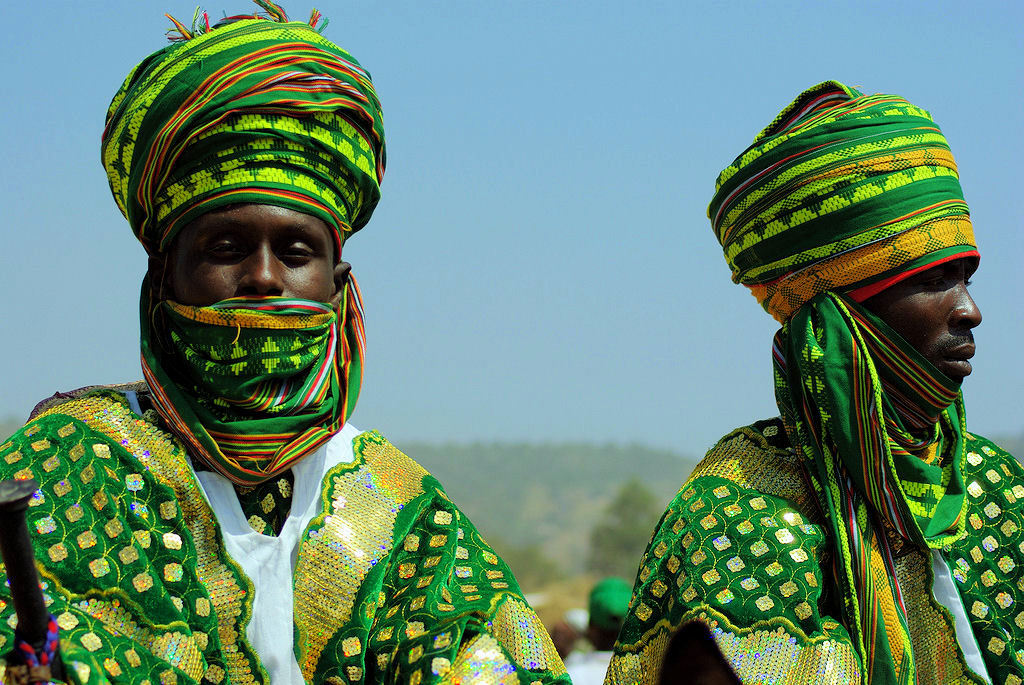
The Fulani, also known as the Fula or Fulbe, are one of the world’s largest nomadic ethnic groups, with a population estimated to be between 25 million and 40 million people globally. They are a widely dispersed people, inhabiting a vast longitudinal band across West and Central Africa, from the Atlantic coast of Senegal to the Red Sea coast in Sudan. While their presence is felt across this immense geographic area, they are particularly concentrated in Nigeria, Mali, Guinea, and Niger. The term “Fulani” is an external designation; the people themselves identify as
Fulbe.
A foundational characteristic of the Fulani is their internal diversity, which makes any broad generalization challenging. A crucial distinction exists between the traditional, expansionist nomadic pastoralists, known by the Hausa name
Mbororo’en or their self-designation Woɗaaɓe, and the semi-nomadic or fully sedentary “town Fulani” who have adopted agricultural or urban lifestyles. This report moves beyond simplistic or monolithic views of the Fulani people to provide a nuanced, multi-layered analysis of their history, culture, and the complex factors underlying the modern-day crises in Nigeria. It aims to frame the herder-farmer conflict not as a singular, isolated event but as a symptom of deeper, interconnected socio-political and environmental issues.
2. Historical Trajectory and Political Power
2.1 Origins and Migration: The Eastern Spread of a Nomadic People
The origins of the Fulani people remain a subject of historical and academic debate. Theories about their ancestry are wide-ranging, suggesting links to Moroccan or North African groups, a Nilo-Sudanese origin, or even a connection to Phoenician seafarers. Genetic studies have provided new perspectives, revealing a shared ancestral component possibly tied to the beginning of pastoralism in the “Green Sahara” and a later genetic admixture with populations of North African and West Eurasian origin.
The historical movement of the Fulani was a gradual, eastward expansion from their early settlements in the Futa Djallon region of present-day Guinea and the Futa Toro region of Senegal. This expansion was primarily driven by the search for new grazing lands in the Sahel and surrounding areas. As a nomadic people, they played a significant role in West Africa’s pre-colonial history by establishing numerous trade routes and acting as a conduit for news and information across the region.
2.2 The Sokoto Caliphate (1804–1903): The Establishment of a Ruling Aristocracy
The 19th century was a transformative period for the Fulani, culminating in their emergence as a powerful political and economic force. The pivotal event was the
jihad, or holy war, led by the scholar and reformer Usman dan Fodio beginning in 1804. Dan Fodio, who lived in the northern Hausa state of Gobir, accused the Hausa rulers of being “little more than pagans” and sought to purify Islam in the region. The
jihad was a multi-faceted movement, encompassing not only religious objectives but also a struggle for social, political, and cultural change.
This military campaign overthrew the existing Hausa states and led to the establishment of the Sokoto Caliphate, a vast Muslim theocracy that governed according to Islamic law. The Fulani, who had previously been a dispersed people, instituted themselves as a “ruling aristocracy” over a large empire that included parts of modern-day Nigeria, Benin, and Cameroon. This historical event fundamentally altered the socio-political power structure of Northern Nigeria.
2.3 The Modern Legacy of the Sokoto Caliphate in Nigerian Politics
The political legacy of the Sokoto Caliphate is a critical factor in understanding modern Nigerian political dynamics. The British, upon conquering the region, did not dismantle the Fulani-led emirate system. Instead, they preserved its basic structure under the principle of “Indirect Rule,” which utilized the Fulani ruling class as the primary units of local and regional administration. This system cemented the political power of the Fulani and created a sustained, multi-generational power structure.
As a result of this historical trajectory and the subsequent cultural absorption of the Hausa people, a modern “Hausa-Fulani” amalgamation emerged. This coalition has, in turn, controlled Nigerian politics for a significant portion of its independent history. A disproportionately high number of Nigeria’s past leaders, particularly from the northern region, have been of Fulani descent.
The historical establishment of a Fulani ruling aristocracy, reinforced by the British colonial administration, created a political asymmetry that persists today. This historical precedence informs the perception of Fulani political dominance and impunity, especially in the context of the herder-farmer conflicts. When government policies or actions are perceived as biased toward herders, they are not seen as isolated incidents but as manifestations of a long-standing, hegemonic agenda, often referred to as “Fulanisation”. This enduring historical framework is essential for comprehending the profound distrust and resistance from other ethnic groups, who view this conflict through the lens of a centuries-old power struggle.
3. The Cultural and Social Fabric
3.1 The Pastoralist and Sedentary Divide: Livelihoods and Identity
The bedrock of traditional Fulani culture is pastoralism, a lifestyle centered on the herding of cattle, goats, and sheep. For the Fulani, cattle are not merely livestock; they are a profound symbol of wealth, status, and cultural identity. Within the traditional herding unit of a pastoral family, tasks are clearly delineated by gender and age. Men are responsible for managing the herds, identifying grazing sites, and building temporary camps, while women handle duties such as milking, weaving, and trading dairy products at local markets.
Not all Fulani conform to this nomadic lifestyle. Many have adopted a sedentary existence, often due to the depletion of their herds or a desire for a “more comfortable life” and access to public services like schools and dispensaries. While these settled Fulani may engage in cultivation, they often continue to own cattle, maintaining a link to their pastoralist heritage. The diversity in lifestyle, from pure nomadism to fully sedentary life, highlights the internal complexity of the Fulani ethnic group.
3.2 The Code of Conduct: The Enduring Influence of Pulaaku
A unifying element of Fulani identity, transcending geographic and lifestyle differences, is their unwritten code of conduct known as pulaaku. This abstract concept serves as a guiding principle for all who are considered “true” Fulani.
Pulaaku is an abstract noun derived from the root “ful-” and signifies the “qualities appropriate to a Fulani”. It embodies a set of core virtues, including patience (
munyal), self-control, wisdom, modesty (semteende), respect, courage, and hospitality.
This code of conduct dictates social behavior, emphasizing humility and self-denial. For example, a “true Pullo” would rather remain hungry than beg for food or favors, an attribute that can lead to social isolation but also teaches self-respect. The renowned
Sharo festival, a coming-of-age ceremony where young men endure ritualistic whippings without showing pain, is a public and extreme display of the pulaaku value of courage and resilience. However, adherence to
pulaaku can also be a barrier to modernization. The fear of “losing one’s pulaaku” has been cited as a reason for the reluctance of some Fulani to send their children to formal Western-style schools.
3.3 Language (Fulfulde), Religion, and Social Structure
The Fulani are bound together by their language, Fulfulde, a Niger-Congo language that has several dialects across the vast expanse of West and Central Africa.
Religion also plays a central role in Fulani identity. They are a “primarily Muslim people” and were among the first groups in West Africa to convert to Islam. The Fulani were instrumental in the spread of Islamic theology and ideology, leading
jihads and collaborating with Berber and Arabian clerics to establish themselves as a significant religious, political, and economic force. It is important to note, however, that the degree of religious observance varies. Urban Fulani, who often hold positions of power and influence, are described as the “most ardently Muslim,” whereas the nomadic pastoral Fulani are “frequently lax and sometimes even nonpracticing”.
4. Analyzing the Herder-Farmer Conflict: A Nexus of Crises
The herder-farmer conflict in Nigeria is a complex issue driven by a convergence of environmental, socio-economic, political, and religious factors. It is a classic example of a complex adaptive system, where an initial environmental trigger creates a chain reaction amplified by political and social failures.
4.1 Environmental Drivers: Climate Change, Desertification, and Migration
The primary catalyst for the escalating conflict is environmental degradation. Climate change has led to “erratic rainfall, prolonged droughts and desertification,” which have severely disrupted the traditional migration routes of Fulani herders. The shrinking of Lake Chad and the progressive desertification of the Sahel region have depleted traditional grazing lands and water sources in northern Nigeria, forcing herders to migrate further south into the Guinea savanna and tropical forest belt. This southward movement, which was once a predictable annual transhumance, has become more intense and unpredictable, bringing herders into direct competition with sedentary farmers for land.
4.2 Socio-Economic Pressures: Land Use, Population Growth, and Economic Competition
The influx of nomadic herders into farming communities has intensified competition for scarce resources. While an “unwritten rule” historically permitted herders to graze their cattle on agricultural land during the dry season, this cooperative arrangement has broken down. Factors such as climate change extending the dry season, population growth, and the expansion of cultivated land by farmers have exacerbated tensions. The economic over-dependence of herders on their livestock and the vulnerability of farmers, who lack access to modern agricultural technology and financial resources, fuel a cycle of grievances that are often expressed violently.
4.3 Ethno-Religious and Political Dimensions: Allegations, Governance Failures, and Mistrust
The herder-farmer conflict is no longer a simple resource dispute; it is now imbued with deep political, ethnic, and religious undertones. The demographic reality of largely Muslim herders clashing with predominantly Christian farmers has led to religious polarization, with community leaders on both sides sometimes instigating sentiments to justify violence.
There are allegations that the conflict is used as a political tool by northern elites to destabilize communities or advance a “Fulanisation” or “Islamisation” agenda. The government’s failure to address the core issues is a central factor in the conflict’s escalation. A lack of political will and a “failure of governance across all levels” have resulted in key policies being unenforced or improperly implemented.
The following table provides a breakdown of the complex, multi-causal factors driving the herder-farmer conflict in Nigeria.
| Category | Description | Key References |
| Environmental | Climate change, erratic rainfall, and desertification have depleted grazing lands in the north, forcing herders to migrate south. | |
| Socio-Economic | Increased competition for land due to herder migration, population growth, and agricultural expansion. Economic over-dependence on livestock and lack of economic alternatives for farmers fuel grievances. | |
| Political | Failure of governance and lack of political will to enforce policies. Allegations that political elites exploit the conflict to destabilize hostile communities or advance a political agenda. | |
| Ethno-Religious | Clashes between predominantly Muslim herders and Christian farmers are framed by religious leaders as a religious war, fueling polarization and distrust. | |
| Security | The proliferation of sophisticated weapons and the rise of banditry and cattle rustling have transformed the nature of the conflict, leading to a cycle of retaliatory violence. |
5. Security Dynamics and Challenges
5.1 The Escalation of Violence: From Traditional Arms to Sophisticated Weaponry
A disturbing trend in the herder-farmer conflict is the dramatic escalation in violence. Historically, herders were known to carry traditional arms like knives, bows, and arrows. However, the nature of the attacks has shifted, with herders now “deploy[ing] advanced military-style weapons such as assault guns and AK-47”. This has resulted in a significant increase in the brutality and lethality of attacks, including nighttime invasions of communities, extrajudicial killings, torture, and the destruction of homes and farmlands. The escalating fatalities have earned the herder-farmer conflicts the grim distinction of being the “world’s fourth deadliest”.
5.2 The Threat of Banditry, Cattle Rustling, and Its Impact on Herders
There is a significant misconception in the public narrative regarding the role of Fulani herders in criminal activities. While they are often profiled as perpetrators of banditry and violence, they are also “the worst affected” by these very issues. The Miyetti Allah Cattle Breeders Association of Nigeria (MACBAN), a leading advocacy group for Fulani pastoralists, has stated that over 15,000 herders and their families have been displaced from their homes, with more than 40,000 cattle lost to rustling.
This situation reveals a complex dynamic. While some Fulani-rooted armed groups are now classified as “bandits” and engage in activities like mass kidnappings and cattle rustling, this development is also a response to the profound insecurity herders face themselves. The severe economic devastation and human loss caused by cattle rustling and attacks on their communities compel herders to acquire weapons for self-defense. This acquisition of arms, initially for protection, can and has morphed into a criminal enterprise, blurring the lines between victim and perpetrator. A failure to recognize herders as victims of this violence prevents a holistic understanding of the conflict and the development of inclusive and effective solutions.
6. Government and Stakeholder Responses: An Assessment of Policy and Practice
6.1 A Chronology of Policy Initiatives
The Nigerian government has, over time, attempted to address the herder-farmer conflict through various policy initiatives, though with limited success. The British colonial administration implemented a system called burti, which designated specific migration routes for herders. Following independence, the Nigerian Grazing Reserve Act of 1964 and the Land Use Act of 1978 were passed with the aim of encouraging a more sedentary lifestyle for herders, but these policies also effectively excluded nomadic Fulani from land ownership, exacerbating tensions.
More recently, the government has proposed a series of high-profile but controversial initiatives. The National Grazing Reserve Bill (2016) and the Rural Grazing Area (RUGA) initiative sought to establish cattle ranches and settlements to curtail open grazing. The current administration is also championing the National Livestock Transformation Plan (NLTP), a ten-year strategy to modernize the livestock sector.
6.2 Challenges in Implementation: Political Will, Polarization, and Public Misperceptions
Despite the multitude of policies, the herder-farmer conflict remains “endemic and persistent”. The core problem is a “failure of governance across all levels” and a profound “lack of strong political will” to enforce the laws. Policies like the NLTP face significant challenges, including inadequate funding, a lack of technical expertise, and widespread public distrust.
Many of these initiatives, particularly the RUGA policy, were met with fierce opposition, with many in the southern regions of Nigeria viewing them as a “land-grabbing strategy” and a front for a “Fulanisation” agenda. This reaction highlights the deep-seated political and ethnic polarization that cripples policy implementation and demonstrates that no solution can succeed without addressing the underlying lack of trust between ethnic groups.
The following table provides a chronology and assessment of key government policies aimed at resolving the conflict.
| Policy/Act | Stated Objective | Key Outcome/Challenge | Key References |
| Nigerian Grazing Reserve Act of 1964 | To encourage sedentary lifestyles and reserve land for grazing. | Excluded nomadic Fulani from land ownership and exacerbated tensions. | |
| Land Use Act of 1978 | Empowered the federal government to allocate land to different groups. | Exacerbated conflict by largely excluding nomadic Fulani from land ownership rights. | |
| National Grazing Reserve Bill (2016) / RUGA | To establish cattle ranches and end open grazing. | Widely unpopular; seen as a “land-grabbing strategy” for a “Fulanisation” agenda. | |
| National Livestock Transformation Plan (NLTP) | To modernize the livestock sector, promote ranching, and curtail migratory grazing. | Faces challenges including inadequate political leadership, funding, technical expertise, and public distrust. |
6.3 Non-Governmental Responses: The Role of NGOs and Civil Society
To counter the government’s shortcomings, non-governmental organizations and civil society groups have played a crucial role in peacebuilding. Organizations like the United Nations Development Programme (UNDP), the Food and Agriculture Organization (FAO), and local community-based groups have implemented projects focused on dialogue, early warning systems, and providing alternative livelihoods. These initiatives seek to build trust, promote constructive engagement between herders and farmers, and transition communities from a state of humanitarian crisis to one of long-term development.
7. Social Development and Sustainable Futures for Fulani Communities
7.1 The Marginalization of Nomadic Education
The educational gap among nomadic Fulani is significant. With less than 10% of men and 2% of women formally literate, the number of lettered Fulani falls far below the national average in Nigeria. The nomadic lifestyle, the reliance on children for labor, and a curriculum that is often irrelevant to their way of life all pose major challenges to effective educational implementation. Furthermore, cultural values, particularly
pulaaku, can act as a social barrier, as some Fulani fear that sending their children to Western-style schools will lead to a loss of cultural identity.
7.2 Economic Vulnerabilities and Pathways to Diversification
The traditional pastoralist livelihood, based on extensive open grazing, is no longer considered “sustainable” due to increasing population and environmental pressures. Initiatives like the NLTP are an attempt to encourage a fundamental economic shift towards a more sedentary, modern ranching model. Such a transition offers potential for greater economic stability and reduced conflict by enabling herders to raise healthier, more productive cattle and access essential support services like veterinary hospitals. However, the shift faces formidable obstacles, including the high cost of ranching and the lack of proper infrastructure.
8. The Regional Context: A Comparative Analysis of Herder Conflicts in West Africa
The crisis in Nigeria is not an isolated phenomenon but rather a specific manifestation of a broader regional or even “continental crisis”. A comparative analysis reveals both commonalities and key differences in how these conflicts play out across West and Central Africa.
8.1 Case Studies: Mali, Burkina Faso, and Cameroon
In Mali, herder-farmer conflicts between the predominantly pastoralist Fulani and the farming Dogon communities have escalated due to competition for land and water. This violence has been exploited by Islamist armed groups, turning a resource dispute into a complex insurgency and counter-insurgency. In a disturbing development, the Malian army has reportedly sponsored a Dogon militia to fight these armed groups, leading to a cycle of retaliatory attacks on Fulani villages. Similarly, in Cameroon and the Central African Republic (CAR), Fulani communities have faced violence from separatist fighters and Christian militias.
8.2 Key Similarities and Differences with the Nigerian Experience
A cross-regional comparison reveals that the conflicts involving Fulani communities share a common environmental trigger: the scarcity of land and water resources due to climate change. In all these countries, Fulani communities are found to be both victims and perpetrators of violence.
However, the specific manifestations of these conflicts are distinct and are deeply rooted in the unique political and historical context of each nation. In Nigeria, the crisis is intrinsically tied to the legacy of the Sokoto Caliphate and the modern political power of the Hausa-Fulani elite. In Mali, the conflict has been co-opted and reframed as part of a pre-existing jihadist insurgency. This demonstrates that while the Fulani face similar environmental pressures across the region, their conflicts are shaped by localized factors, necessitating tailored, context-specific solutions rather than a one-size-fits-all approach.
9. Conclusion and Forward-Looking Recommendations
The Fulani herder-farmer crisis in Nigeria is a multi-layered issue that represents a dangerous convergence of environmental degradation, historical power dynamics, socio-economic pressures, and political and religious exploitation. The long-term environmental crisis is the engine that drives the conflict, but the amplification of violence is a direct result of the lack of governance, political manipulation, and deep-seated ethnic and religious distrust.
Moving forward, a multi-pronged, holistic approach is required to transition from conflict management to sustainable peace. The following recommendations are derived from the analysis:
- Policy and Governance: The government must shift from failed, top-down policies like the RUGA initiative to a more inclusive, community-based approach. The National Livestock Transformation Plan must be implemented with transparency, political will, and genuine collaboration with all stakeholders to dispel mistrust and demonstrate a commitment to fairness and equity.
- Security: Addressing the proliferation of advanced weaponry is critical, but it is a symptom of deeper insecurity. The government must address the root causes of banditry and cattle rustling, which are as devastating to herders as to farmers. A comprehensive disarmament program must be a priority for all armed groups.
- Economic Diversification: The traditional pastoralist livelihood is no longer viable. Herders must be supported in modernizing their livestock business, with a gradual and well-planned transition to sedentary and semi-sedentary models. This would reduce the core friction point of land-use conflict while improving the economic well-being of Fulani communities.
- Social and Cultural Engagement: Educational initiatives tailored to the nomadic lifestyle are essential to improve literacy and opportunities without eroding cultural identity. Simultaneously, fostering inter-communal dialogue and peacebuilding efforts at the local level is crucial to rebuild trust and counter the divisive narratives that have transformed a resource dispute into a deadly ethno-religious war.










Related Posts

Stay Informed With the Latest & Most Important News
Previous Post
Next Post

Advertisement