
Now Reading: Step-by-Step Guide to Planning a Nigerian Traditional Wedding
1
-
01
Step-by-Step Guide to Planning a Nigerian Traditional Wedding
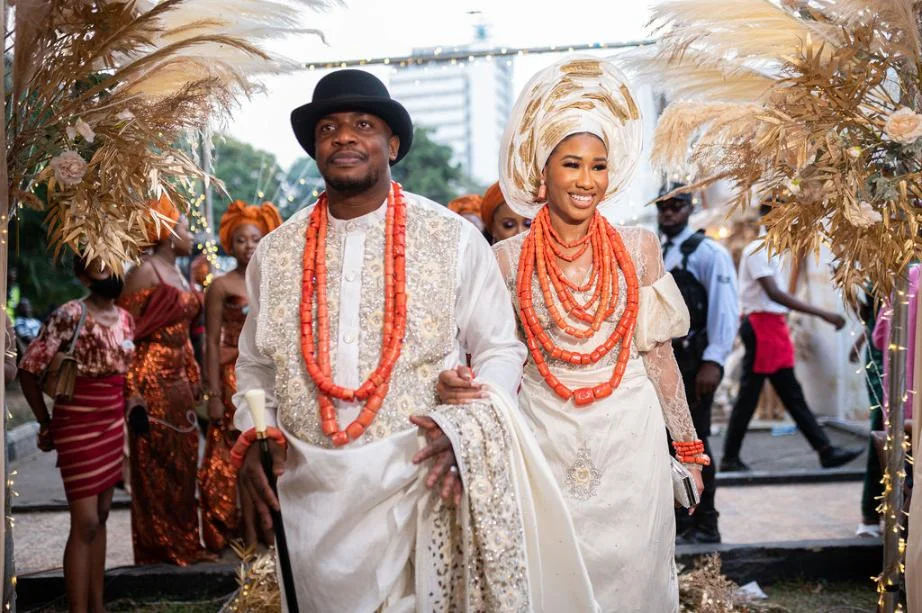

A Nigerian traditional wedding is more than just a ceremony — it’s a cultural celebration that brings two families together. Every ethnic group (Yoruba, Igbo, Hausa, Tiv, Edo, Efik, etc.) has unique customs, but the process usually follows a series of similar steps.
Here’s a step-by-step guide to help you plan your dream Nigerian traditional wedding.
📌 Step 1: Family Introduction (Knocking on the Door)
- Known as “Ikún” among the Yoruba or “Iku-aka” among the Igbo.
- The groom’s family visits the bride’s family formally to declare intentions.
- Symbolizes respect and marks the official beginning of marriage discussions.
📌 Step 2: Agree on the Bride Price & Marriage List
- The bride’s family presents a list of items (varies by culture).
- Items often include kola nuts, palm wine, yams, clothing, jewelry, drinks, and cash.
- Negotiations may take place to make it affordable.
- Payment of the bride price (dowry) seals the agreement.
📌 Step 3: Pick a Date and Venue
- Choose a culturally significant and convenient date.
- Venues could be the bride’s family compound, a community hall, or a rented event center.
- Some families combine both traditional and church/mosque weddings on the same day or weekend.
📌 Step 4: Plan Outfits and Attire
- Couples often wear matching traditional attire (aso-ebi for Yoruba, isiagu for Igbo, kaftan for Hausa).
- Fabrics include lace, ankara, aso-oke, george, or silk.
- Families and friends may also wear coordinated colors (aso-ebi).
📌 Step 5: Organize the Ceremony Program
- Typical activities include:
- Arrival of the groom’s family with gifts.
- Introduction rituals (songs, prayers, breaking kola nuts, etc.).
- Exchange of dowry and gifts.
- Bride’s grand entrance in traditional attire.
- Blessings from both families and elders.
- Celebrations with food, music, and dance.
📌 Step 6: Arrange Food, Music, and Entertainment
- Traditional weddings are incomplete without local delicacies (jollof rice, amala, pounded yam, pepper soup, etc.).
- Live bands, talking drummers, or DJs add to the cultural flavor.
- Dancers and traditional performers may also feature, depending on the tribe.
📌 Step 7: Hire Service Providers
- Event planner (optional)
- Caterer
- Decorator
- Photographer/videographer
- MC (Master of Ceremony) familiar with traditional rites
📌 Step 8: Plan the Guest List
- Nigerian weddings are usually large — expect hundreds of guests.
- Prepare invitation cards (physical or digital).
- Ensure enough food, drinks, and seating for all.
📌 Step 9: Prepare for Modern Additions
- Many couples blend traditional with modern elements like cake cutting, photo booths, customized souvenirs, and money spraying.
- Plan your budget accordingly.
📌 Step 10: Enjoy the Celebration
- On the big day, focus on the unity, culture, and love being celebrated.
- Allow family elders and cultural representatives to guide the process.
- End with lots of music, dancing, and photographs.
✅ Final Tips
- Respect each family’s traditions — even within the same tribe, customs differ.
- Budget wisely — traditional weddings can be expensive if not well planned.
- Consider merging the traditional and white wedding ceremonies if budget or time is tight.
- Remember: beyond the glamor, it’s about honoring culture and building family ties.










Related Posts


Stay Informed With the Latest & Most Important News
Previous Post
Next Post

Advertisement

Donations





Loading Next Post...


