
Now Reading: Oba of Benin: Custodian of Edo Heritage and the Ancient Benin Kingdom
1
-
01
Oba of Benin: Custodian of Edo Heritage and the Ancient Benin Kingdom
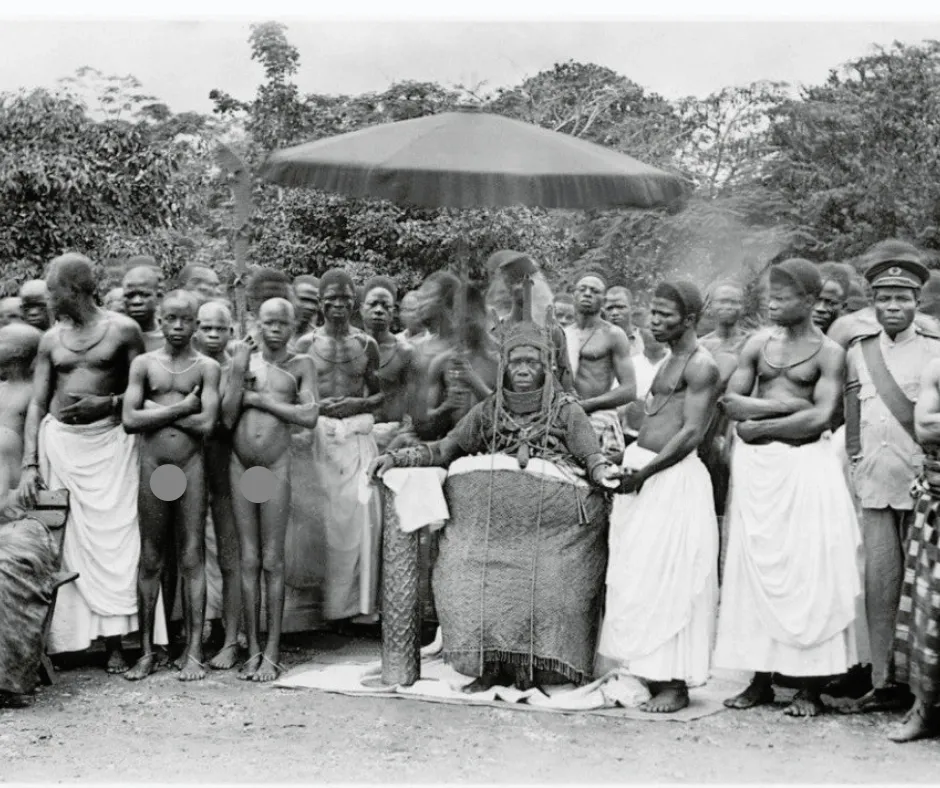
Oba of Benin: Custodian of Edo Heritage and the Ancient Benin Kingdom

Historical Background
The Oba of Benin is the traditional ruler of the Benin Kingdom, headquartered in Benin City, Edo State, Nigeria.
- The monarchy dates back to the 11th century, with the establishment of the Benin Kingdom.
- The dynasty was founded by the Ogiso kings, before transitioning to the Obaship under Eweka I in the 12th century.
- The Benin Kingdom became one of the most advanced civilizations in precolonial Africa, known for its sophisticated governance, art, and urban planning.
Role and Authority
- Spiritual Leader: Custodian of Edo spiritual traditions and rituals.
- Cultural Guardian: Oversees festivals, art, and Benin heritage, including the world-renowned Benin Bronzes.
- Traditional Monarch: Symbol of authority, justice, and unity among the Edo people.
- Diplomat: Represents Benin’s heritage nationally and internationally.
The Palace
- The Royal Palace of the Oba of Benin in Benin City is a UNESCO-recognized heritage site and the spiritual center of Edo culture.
- Houses ancestral shrines, artworks, and ceremonial courts.
Historical Significance
- The Oba ruled one of the wealthiest and most powerful empires in West Africa, with influence extending to present-day Nigeria, Benin Republic, and beyond.
- The kingdom became famous for the Benin Bronzes, intricate brass and bronze sculptures that are among Africa’s greatest artistic treasures.
- In 1897, the British invaded and looted Benin, exiling Oba Ovonramwen Nogbaisi. Many Benin Bronzes were taken to Europe and remain subjects of restitution debates today.
Recent Obas
Oba Eweka II (1914–1933)
- Rebuilt the Benin monarchy after the colonial conquest.
Oba Akenzua II (1933–1978)
- Strengthened the palace and Benin traditions under colonial and post-independence Nigeria.
Oba Erediauwa (1979–2016)
- Reigned for 37 years, respected as a fatherly monarch.
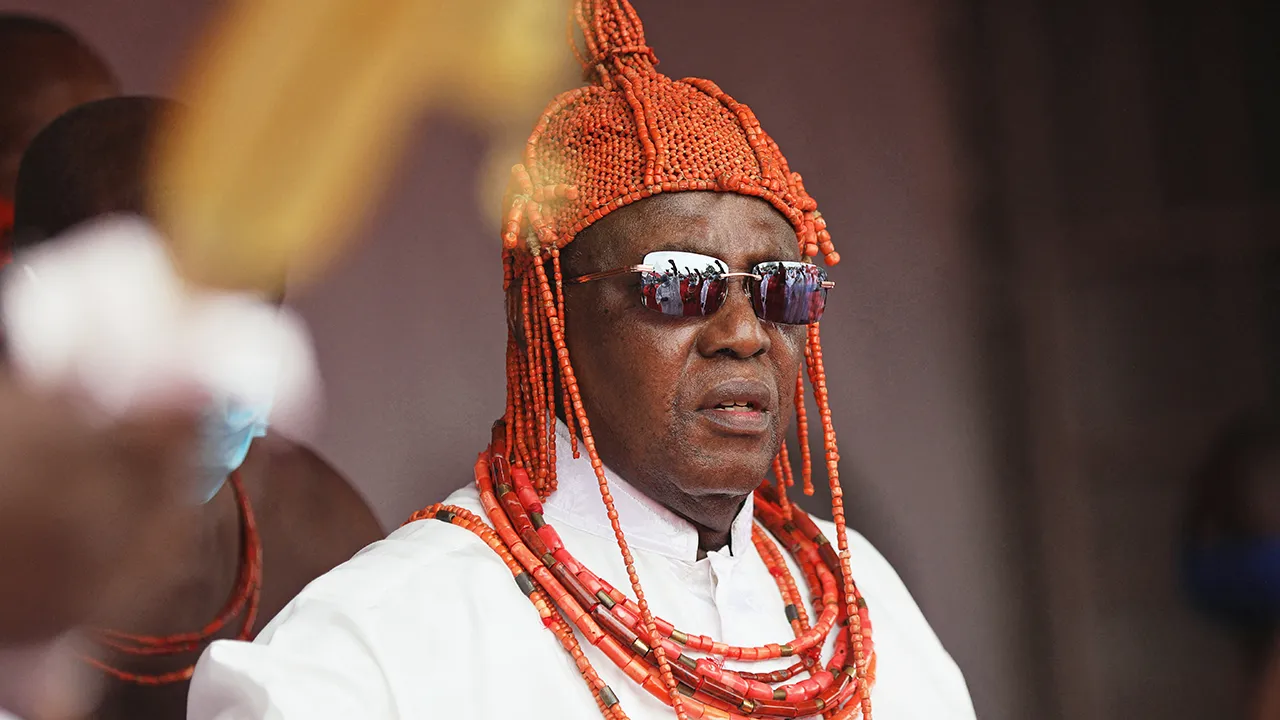
Oba Ewuare II (2016–present)
- Crowned on 20 October 2016, succeeding his father, Oba Erediauwa.
- Educated in Nigeria and abroad, including studies in Economics, International Relations, and Public Administration.
- Former diplomat who served in Nigerian embassies worldwide before becoming Oba.
Oba Ewuare II’s Reign
- Advocates for the return of the Benin Bronzes and the preservation of Edo cultural heritage.
- Promotes peace, development, and cultural pride in Edo State.
- Oversees the Igue Festival, the most important annual event in Benin religion, celebrating renewal, blessings, and protection for the kingdom.
- Engages with international institutions to strengthen cultural diplomacy.
Cultural Role Today
- The Oba remains a central symbol of Edo identity, linking the people with their ancient past.
- Custodian of one of the richest artistic traditions in Africa.
- Plays a role in national discussions on culture, heritage, and governance.
Legacy and Significance
- The Benin throne is over 800 years old, making it one of the most enduring monarchies in Africa.
- Represents the resilience of African tradition despite colonial disruption.
- Under Oba Ewuare II, the monarchy has gained renewed global attention through the campaign for the repatriation of stolen Benin artifacts.
Conclusion
The Oba of Benin is more than a king — he is the living embodiment of Edo civilization, custodian of a kingdom famed for its art, culture, and resilience. From the legendary Oba Eweka I to Oba Ewuare II today, the throne continues to shine as a beacon of heritage, unity, and cultural pride in Nigeria and beyond.










Related Posts


Stay Informed With the Latest & Most Important News
Previous Post
Next Post

Advertisement

Donations







Loading Next Post...


