Now Reading: The City of Calabar, Nigeria
-
01
The City of Calabar, Nigeria
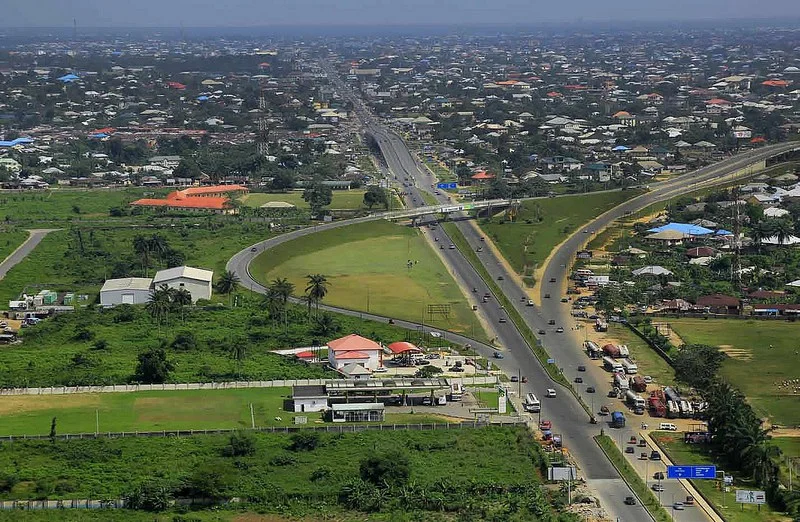

The city of Calabar, located in Cross River state, Nigeria, presents a compelling paradox: a historic and culturally rich urban center with a foundational role in the nation’s development, yet one that currently faces profound challenges in its infrastructure and environment. Analysis reveals a city with a powerful legacy of commerce, from its origins as a major transatlantic slave-trading port to its modern aspirations as a tourism hub and economic gateway. This historical trajectory, defined by a consistent effort to leverage its strategic location, is a key driver of its current development strategy. However, this forward-looking vision is undermined by a critical disparity between ambitious, large-scale projects and the on-the-ground reality of dilapidated roads, inconsistent public services, and rampant environmental degradation. The successes of culture-driven initiatives, such as the Calabar Carnival, highlight a potential path forward, while the controversies surrounding major infrastructure projects underscore the urgent need for enhanced governance, transparency, and a more holistic, integrated approach to urban development.
1. Calabar: A City of Historical and Geographical Significance
Calabar’s identity and development trajectory are inextricably linked to its physical location and a history of strategic commercial activity. This section establishes the foundational context necessary to understand the city’s current state and future prospects.
1.1. Physical and Administrative Geography
The city’s strategic placement on the Calabar River, approximately 5 miles (8 km) upstream from its confluence with the Cross River estuary, was instrumental in its founding and early growth. This natural position facilitated early maritime trade, allowing the city to serve as a crucial hub between Europeans on the coast and African communities inland. Calabar’s elevation on a natural hill overlooking the river provided a defensible and advantageous location for this early commerce.
As the capital of Cross River state, Calabar maintains its administrative and commercial importance, acting as a gateway for southeastern Nigeria. The state is geographically diverse, with a landscape ranging from saltwater swamps and mangrove forests to dense tropical rainforests, which provide a significant portion of Nigeria’s industrial wood resources.
The city is also experiencing a period of rapid demographic expansion. The Calabar metropolitan area’s population is projected to reach 713,000 in 2025, reflecting a consistent annual increase of over 4%. This rapid urbanization places significant pressure on the city’s existing public services, road networks, and natural resources, leading to the destruction of local forest cover and the pollution of the river system.
Climatically, Calabar is characterized by a hot and oppressive year-round atmosphere, with temperatures typically varying between 64°F and 92°F. The region experiences a distinct wet season from March to November, during which 80% of the annual average rainfall of 1,830 millimeters occurs. The poor natural drainage of the Calabar River basin, a consequence of this heavy rainfall, contributes to issues such as flooding, gully erosion, and landslides, adding to the urban management challenges.
1.2. The Cradle of Modern Nigeria: A Historical Synthesis
Calabar’s history is a microcosm of Nigeria’s broader colonial experience. The city was settled in the early 17th century by the Efik people, a branch of the Ibibio ethnic group. Efik settlements such as Duke Town and Henshaw Town were consolidated by the Ekpe secret society into the state of Old Calabar. This period marked the beginning of a centuries-long commercial legacy.
The city’s role in the transatlantic slave trade is a central and somber aspect of its past. Historical records indicate that between 1720 and 1830, over one million enslaved men and women were forced onto British slave ships from Old Calabar. Another source places the number at approximately 200,000 Africans sold into slavery from Calabar between 1662 and 1863. The Slave History Museum, housed in a former slave barracoon, now stands as a monument to this history, documenting the entire process from the inland slave markets to the horrific conditions of shipment.
Following the waning of the slave trade, Efik leaders demonstrated remarkable mercantile adaptability. In the mid-19th century, prominent kings such as Eyo Honesty II and Eyamaba V transitioned their economy, replacing the slave-trading monopoly with a new plantation system centered on the cultivation and export of palm oil and palm kernels to industrial Britain. This pivot underscores a continuous, centuries-long pattern of leveraging the city’s geographical advantage for commercial purposes. The historical shift from one commodity to another is a powerful reminder that the city’s strategic destiny is fundamentally tied to its ability to serve as a regional commercial hub.
Calabar’s importance as a trading hub led to its selection as the first capital of Nigeria. It served as the administrative headquarters for British protectorates from 1885 until the capital was moved to Lagos in 1906. This colonial past left an enduring institutional and architectural legacy, including the first Presbyterian Church in Nigeria (1846), the first public hospital (St. Margaret’s), and the oldest secondary school in eastern Nigeria, the Hope Waddell Training Institute (1895).
This pioneering historical status creates a stark contrast with the present-day realities of urban decay. The fact that the “cradle of modern Nigeria” is now plagued by “decades-long infrastructural neglects,” “dilapidated roads,” and a lack of basic services presents a powerful dichotomy. It demonstrates that a glorious past and a history of “firsts” are not sufficient to ensure sustained progress without continuous investment and effective governance. This discontinuity is a central challenge for Calabar’s leadership, which must address current deficiencies while building on the city’s historical foundation.
2. The Economic Landscape and Development Trajectories
Calabar’s contemporary economic strategy is a blend of traditional industries, a robust tourism sector, and ambitious, large-scale infrastructure projects aimed at restoring its historical role as a regional economic powerhouse.
2.1. Maritime Trade and Port Revitalization
The port of Calabar was once a crucial economic engine for the region, exporting goods such as ivory, timber, and palm produce. Its commercial viability was significantly diminished after 1916 when it was eclipsed by the railroad terminus at Port Harcourt, 90 miles to the west.
Today, the port faces significant challenges, including shallow channels, “draft restrictions that discouraged major carriers,” and a lack of proper dredging. However, a concerted effort to revive the port is underway. The Nigerian Ports Authority (NPA) and the Cross River State government have initiated a comprehensive revitalization program. This includes ongoing channel dredging to increase the draft depth to 11 meters, the deployment of navigational aids to improve safety, and the allocation of a $1.1 billion fund for infrastructure rehabilitation. In an effort to make the port more competitive, the NPA is also implementing new tariffs and incentives to encourage vessels to use Calabar instead of the dominant Lagos ports. The state government is also advancing plans for the proposed Bakassi Deep Seaport, a public-private partnership project designed to handle agricultural and other exports, with the aim of restoring the city’s maritime prominence.
The table below summarizes the port’s long-standing challenges and the strategic efforts currently being undertaken to address them.
| Calabar Port: Historical Challenges and Revitalization Efforts | |
| Historical Challenges | Recent Improvements |
| Shallow Channels | Ongoing channel dredging to a target depth of 11 meters |
| Draft restrictions discouraging major carriers | Deployment of new navigational aids and buoys to improve channel safety |
| Competition from Port Harcourt | $1.1 billion secured for comprehensive rehabilitation of Eastern ports |
| Bureaucratic problems and poor power supply | New tariffs and incentives to encourage patronage of non-Lagos ports |
| Partnerships with the state government to develop the Bakassi Deep Seaport |
2.2. Tourism as a Pillar of Growth
Calabar’s leadership has consciously positioned the city as Nigeria’s premier tourism destination, with the Calabar Carnival at the heart of this strategy. Known as “Africa’s Biggest Street Party,” the carnival is an annual, month-long event held every December. It was re-launched in 2004 by then-governor Donald Duke with the explicit goal of transforming Cross River state into a hub for tourism and hospitality and to diversify its mono-economic dependence. The festival is a powerful display of “cultural syncretism,” blending indigenous Efik traditions and masquerade culture with a modern, hybridized carnival format.
A study on the carnival’s socio-economic impact confirms its success as a development model. The analysis demonstrates a significant relationship between the festival and job creation, income generation, and infrastructural development. Since its inception, the carnival has reportedly caused a more than 50% increase in visitors to the state every December and accounts for a substantial portion of the state’s internally generated revenue, boosting it by over 35%. This cultural-economic model has effectively strengthened the economic participation of local residents.
The Calabar Carnival is a success story because it represents a state-driven, strategic initiative that leverages and commercializes local cultural assets to achieve clear economic goals. The positive outcomes—increased tourism, revenue, and local employment—demonstrate the potential of this model. This is particularly notable when contrasted with the challenges and governance issues facing other major projects. The carnival’s success provides a replicable framework for how the government can stimulate local economic activity through a mix of public will, cultural heritage, and targeted investment.
| Economic and Cultural Impact of the Calabar Carnival | |
| Economic Metrics | Socio-Cultural Outcomes |
| Significant relationship with job creation and income generation | Strengthens local capacity for economic participation |
| Boosts internally generated revenue by over 35% | A unique form of “cultural syncretism” blending local and Black Atlantic traditions |
| Contributes up to 40% of the state’s annual revenue | Known as “Africa’s Biggest Street Party” |
| More than 50% increase in visitors to the state every December | Attracts thousands of visitors from around the world |
2.3. Future-Focused Economic Initiatives
Beyond tourism, Calabar is pursuing large-scale development projects aimed at cementing its role as a regional economic gateway.
One such project is the Calabar Economic City (CEC), a multi-use industrial facility developed in partnership with the Cross River State government. The project concept outlines a fully integrated manufacturing cluster with a multi-user port, a ship repair and fabrication yard, and an industrial park spanning over 120 hectares. The city is intended to provide an in-land shipping route and create thousands of jobs, significantly boosting the local economy. The project’s design also accounts for the need to raise the low-lying peninsula site to protect it from projected sea level rise and flooding, with a plan to use sand from the necessary river dredging as a sustainable fill material. The CEC is projected to receive a final investment decision in 2024, with construction to follow.
Another, more controversial, project is the Lagos-Calabar Coastal Highway. This ambitious $12 billion project, which began construction in 2024, is intended to improve transport links and stimulate economic development across Nigeria’s southern regions. However, the project has faced significant criticism. It was awarded to a private firm without a public bidding process, and initial government claims that the contractor would fully fund it were later contradicted when $3.6 billion in public funds were allocated. Furthermore, construction began without the legally required environmental and social impact assessments (ESIAs), which were only published months after demolitions had already started.
The governance surrounding these large-scale projects is a critical point of concern. The clear success and public acceptance of the Calabar Carnival stand in stark contrast to the controversies dogging the Coastal Highway. The carnival demonstrates how a project with clear, transparent goals and local participation can be a powerful engine for growth. Conversely, the controversies surrounding the highway expose the risks of large-scale, top-down projects, highlighting how a lack of transparency and due diligence can create public and environmental backlash, regardless of the project’s economic potential. The trajectory of future development in Calabar will likely depend on whether the government adopts a more transparent and inclusive model.
3. Urban Infrastructure and Quality of Life
While Calabar pursues ambitious development projects, the daily reality for many of its residents is defined by significant infrastructural deficiencies and a persistent decline in public services.
3.1. Public Services: A Tale of Inconsistency
Residents in parts of Calabar are currently grappling with a “mounting crisis” that includes water scarcity, frequent power outages, and rising insecurity. A resident in Calabar South, for instance, reported that their community only receives consistent electricity for as little as five days a month. The lack of a reliable water supply forces citizens to purchase water at significant personal cost, further burdening low-income households.
Access to healthcare also presents a significant challenge. Despite the city’s historical claim to hosting the first public hospital in Nigeria, research indicates that many local communities lack a functional primary healthcare center with qualified staff. This forces residents to rely on indigenous treatments or forgo care, and studies reveal that poor economic status is a major factor limiting access to quality healthcare for a large segment of the population. The high cost of modern medical services, as compared to traditional medicine, often makes them unaffordable for low-income earners.
3.2. Road Network and Traffic Congestion
The state of Calabar’s road network is a critical obstacle to economic activity and quality of life. Many streets in “Old Calabar” have reportedly fallen into a state of disrepair. The Calabar-Itu highway, a vital federal road linking Cross River state to other parts of Nigeria, has been in a “deplorable state for more than 10 years”. This decay has transformed a one-hour journey into a minimum of a five-to-eight-hour ordeal, leading to economic losses for traders, frequent vehicle breakdowns, and safety risks for travelers.
The crumbling road network is not just an inconvenience; it creates a ripple effect of negative consequences. It is a critical bottleneck that chokes economic growth by increasing transportation costs, slowing the movement of goods and services, and endangering citizens who are frequently exposed to accidents and gridlock. The deterioration of this single highway undermines the city’s strategic position as a regional hub and highlights a fundamental disconnect between ambitious, long-term visions and the critical need for basic infrastructure maintenance.
The city is also experiencing an “upsurge in traffic congestion” in areas like Calabar South. This congestion is attributed to a rapid increase in population and vehicle ownership, compounded by a lack of alternative transportation systems such as monorails or cable cars.
3.3. New Urban Development Initiatives
In an effort to address these issues, the Federal Government, in partnership with the Cross River State Government, has launched the “Renewed Hope Agenda Housing Scheme”. This project aims to deliver sustainable and affordable housing solutions on 25 acres of land donated by the state. The initial phase will comprise 120 housing units, including one- and two-bedroom flats, specifically designed to be affordable for civil servants and average-income earners. By structuring the project in phases, the government intends to avoid the common problem of abandoned projects, signaling a more deliberate and accountable approach to development.
4. Environmental and Sustainability Concerns
Calabar’s rapid development and population growth have placed immense pressure on its natural environment, particularly the Calabar River, with serious consequences for public health and long-term sustainability.
4.1. Pollution and Ecological Pressures
The Calabar River, a vital source of fish and shrimp for the local population, is subject to significant and widespread pollution. This contamination stems from a combination of industrial effluents and untreated domestic waste. Studies confirm that industries situated along the river’s bank, such as the United Cement Company (UNICEM) and the Nigerian National Petroleum Corporation (NNPC) depot, discharge their waste directly into the waterway. In addition, human wastes and those from cottage industries are frequently dumped in surface sites or open drains, with torrential rains washing them into the Calabar and Great Kwa Rivers.
This unchecked pollution has tangible ecological and health consequences. Research has found that fish and shrimp caught in the river contain unsafe levels of heavy metals, including iron, lead, and copper, as well as hydrocarbons. These findings indicate a direct threat to the health of local residents who rely on these contaminated food sources for protein. Beyond chemical contamination, the river is also being physically “choked up” by waste, silts, and water hyacinth.
The environmental degradation in the Calabar River basin is a clear example of the unaccounted costs of rapid development. The visible economic gains from industrial expansion are externalized as long-term environmental damage, threatening the very resources upon which the local community’s livelihood and health depend. This trade-off between economic growth and environmental stewardship is a central dilemma for the city, particularly as its population continues to grow.
4.2. Land Use and Resource Management
The expansion of the city has also led to widespread deforestation. A study on land use change between 1967 and 2008 found that the area covered by high forest in the Calabar river catchment decreased by almost 30% during that period. The primary drivers of this deforestation were agriculture, road construction, and the construction of new housing for the growing population.
This pressure is also evident in the controversy surrounding the Lagos-Calabar Coastal Highway. The highway’s planned route is set to pass through or near several protected biodiversity hotspots and ecologically sensitive areas, raising concerns about habitat destruction, ecosystem fragmentation, and pollution.
The state government faces a considerable challenge in accommodating its rapid population growth while simultaneously maintaining economic prosperity and preventing ecological disaster. The environmental pressures on the city underscore the need for a more sustainable and well-regulated approach to urban and industrial planning.
| Calabar River: Sources and Impacts of Pollution | |
| Sources of Pollution | Documented Impacts |
| Industrial effluents from industries (e.g., UNICEM, NNPC) | Unsafe levels of heavy metals (Fe, Pb, Cu, Cr) and hydrocarbons in fish and shrimp |
| Untreated human and cottage industry waste | Direct health risks for the local population who consume contaminated aquatic life |
| Municipal garbage and open waste dumps | Gradual physical “choking” of the river with waste, silts, and water hyacinth |
| Automobile emissions and toxic runoff from roads | Reduced biodiversity and species diversity that provide food for aquatic life |
5. Conclusion: Strategic Outlook and Recommendations
Calabar’s trajectory is defined by the tension between its historic role as a commercial and administrative hub and its present-day struggles with infrastructure and environmental sustainability. The city’s identity is powerfully shaped by a continuous history of leveraging its strategic location for economic advantage, a legacy that modern revitalization efforts are attempting to reclaim.
The data reveals a stark contrast between a glorious past and a challenging present. While the city’s leaders pursue ambitious, multi-billion-dollar projects like the Coastal Highway and the Calabar Economic City, residents grapple with the daily reality of dilapidated roads, inconsistent power and water supply, and limited access to healthcare. The success of the Calabar Carnival stands out as a potential model for a more sustainable, culture-driven economic strategy, while the controversies surrounding other large-scale projects underscore the importance of transparency and effective governance.
To move forward, Calabar must address this fundamental disparity. The city’s future prosperity hinges on its ability to shift from a focus on grand visions to a more integrated, holistic approach that addresses core urban challenges. A strategic outlook should prioritize the following:
- Integrated Urban Development: Instead of focusing solely on new, large-scale projects, the government should adopt a more holistic approach that simultaneously tackles the decay of existing infrastructure, improves public services, and implements robust waste management systems.
- Strengthened Project Governance: Future development must be underpinned by a commitment to transparency and adherence to legal and environmental due diligence. Adherence to legally required environmental and social impact assessments (ESIAs) will not only protect sensitive ecosystems but also build public trust and long-term investor confidence.
- Leveraging the “Blue Economy” Responsibly: The port revitalization efforts and new port projects hold immense potential to restore the city’s historical role as a trade gateway. However, these initiatives must be paired with strict environmental protections to ensure that economic gains are not nullified by long-term ecological damage.
- Investing in Community-Led Growth: The success of the Calabar Carnival provides a compelling argument for supporting and expanding local, cultural, and tourism-based initiatives. These projects demonstrate a capacity to create sustainable, grassroots employment and generate revenue in a way that directly involves and empowers local communities.
Ultimately, Calabar’s ability to thrive will be measured not just by the scale of its new infrastructure, but by its capacity to create a resilient, equitable, and sustainable environment for all its citizens.Sources used in the report










Related Posts


Stay Informed With the Latest & Most Important News
Previous Post
Next Post
Advertisement