Now Reading: Urbanization and Its Discontents: Nigeria’s Rapid City Growth and Its Challenges
-
01
Urbanization and Its Discontents: Nigeria’s Rapid City Growth and Its Challenges

Urbanization and Its Discontents: Nigeria’s Rapid City Growth and Its Challenges

Nigeria is urbanizing at one of the fastest rates in the world. Cities like Lagos, Abuja, Kano, and Port Harcourt are expanding at breakneck speed, drawing millions from rural areas in search of opportunities. While urbanization can drive economic growth and innovation, the pace and scale of Nigeria’s city expansion are also fueling housing shortages, infrastructure deficits, and rising poverty.
🌆 The Urban Boom
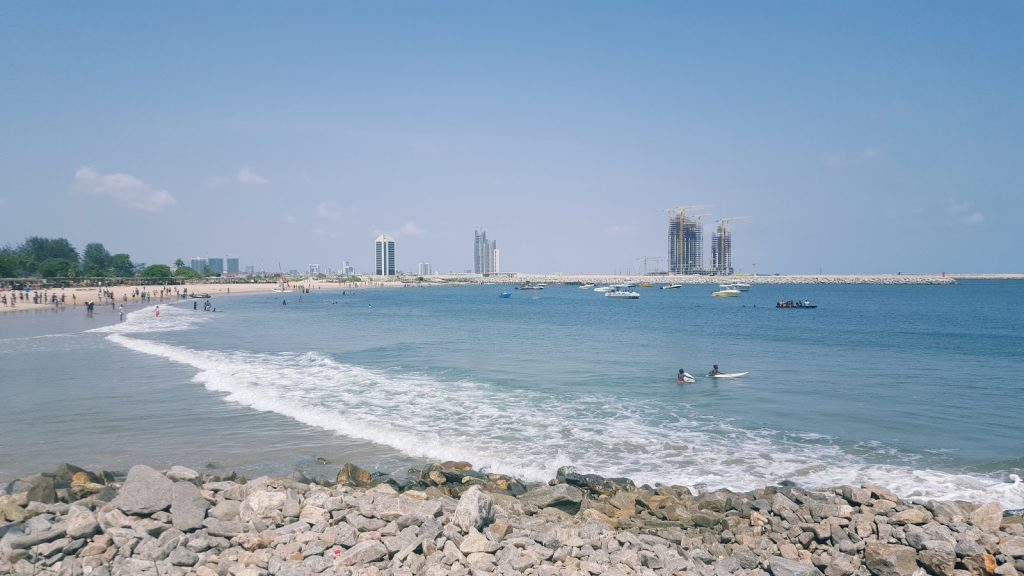
- Lagos is Africa’s largest city, with an estimated population exceeding 20 million—and growing daily.
- Abuja, the nation’s capital, has transformed from a planned city in the 1980s to a bustling metropolis.
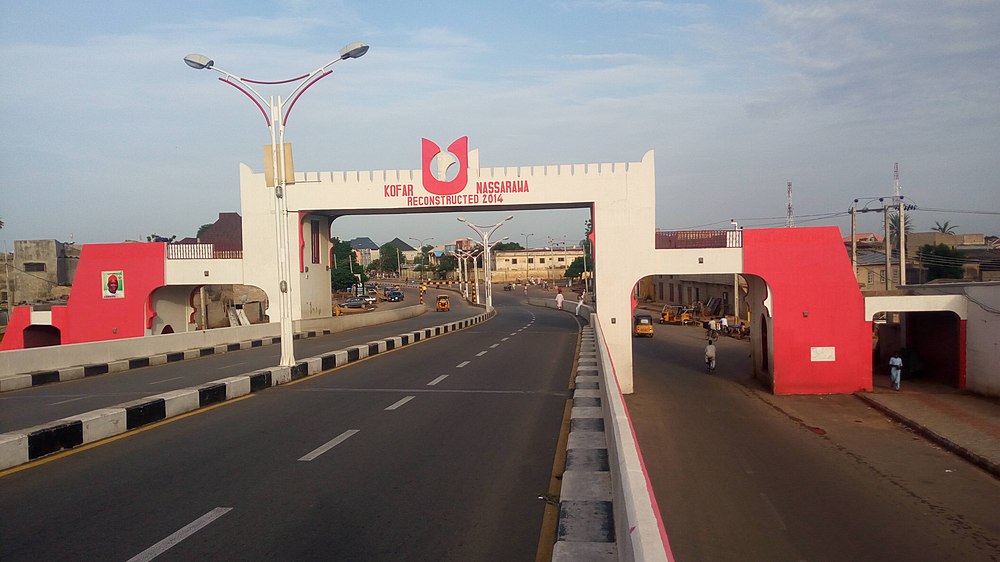
- Kano and Port Harcourt remain magnets for commerce, industry, and migration.
Nigeria’s urban population is projected to double by 2050, making the country one of the most urbanized in the developing world.
🏚️ Housing Crisis
One of the biggest discontents of rapid urban growth is housing:
- Overcrowding: Informal settlements (slums) like Makoko in Lagos are expanding as migrants arrive faster than formal housing can be built.
- Rising Costs: Real estate in Lagos and Abuja is increasingly unaffordable for middle- and low-income earners.
- Poor Living Conditions: Many urban dwellers live without adequate sanitation, clean water, or electricity.
The housing deficit in Nigeria is estimated at over 20 million units, highlighting a systemic failure to keep pace with demand.
🛑 Infrastructure Under Strain
Urban infrastructure in Nigeria is struggling under the weight of population growth:
- Traffic Gridlock: Lagos residents often spend hours commuting daily, costing productivity and well-being.
- Power Supply: Unstable electricity hinders businesses and residents alike.
- Waste Management: Cities produce massive amounts of waste with inadequate disposal systems, creating health hazards.
- Transport & Roads: Public transportation is limited, and many roads are in poor condition.
💸 Poverty and Inequality
Urbanization does not automatically translate into prosperity. In fact, it often deepens inequality:
- Job Scarcity: While cities attract job seekers, the formal economy cannot absorb everyone, pushing many into low-paying informal work.
- Urban Poverty: Millions live below the poverty line in urban slums, struggling with rising costs of living.
- Social Tensions: High unemployment, especially among youths, fuels crime, insecurity, and unrest.
🌍 Lessons and Opportunities
Despite these challenges, urbanization also offers opportunities for innovation if managed properly:
- Affordable Housing Projects: Partnerships between government and private developers could bridge the housing gap.
- Smart City Planning: Investments in technology, renewable energy, and efficient transportation could ease urban strain.
- Job Creation: Expanding industries like tech, creative arts, and services can provide employment for urban youths.
- Inclusive Policies: Prioritizing urban poor in development programs ensures more equitable growth.
✅ Conclusion
Nigeria’s cities are engines of growth, creativity, and global relevance. But unmanaged urbanization is creating a paradox: cities that attract millions but fail to provide basic needs for many of them.
If Nigeria is to harness the benefits of urbanization, it must urgently tackle housing deficits, invest in infrastructure, and reduce urban poverty. Otherwise, the dream of city prosperity will remain a reality for only a few, while millions live in urban discontent.










Related Posts

Stay Informed With the Latest & Most Important News
Previous Post
Next Post
Previous Post

Next Post
Advertisement