Now Reading: The International Media and Biafra – How the World Saw the War
-
01
The International Media and Biafra – How the World Saw the War


(Part of the Nigeria234.com Civil War Series (1966–1970))
📝 Introduction
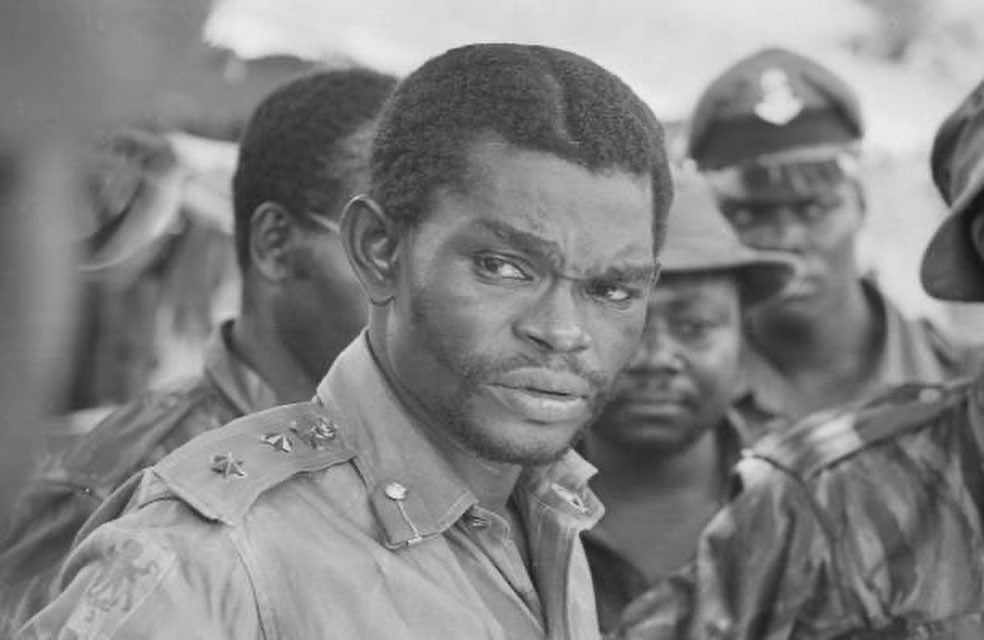
The Nigerian Civil War (1967–1970) was one of the first African conflicts to be televised and photographed extensively. The global media did not just report the war — it shaped how the world understood it. From the haunting images of starving Biafran children to international headlines about genocide, the media transformed the war into a global humanitarian cause.
📸 The Iconic Images of Starvation
- Photos of malnourished “Biafra babies” with distended bellies became symbols of the war.
- Western newspapers and magazines — Life Magazine, The Times, Le Monde — carried these images across the globe.
- Television reports brought famine scenes into households in Europe and America, mobilizing sympathy and outrage.
📰 Headlines that Moved the World
- Western media often framed the war as a David vs. Goliath story: tiny Biafra resisting giant Nigeria.
- Headlines accused Nigeria of using “starvation as a weapon of war.”
- Some described the crisis as “genocide”, drawing parallels with the Holocaust — a narrative fiercely contested by the Federal Government.
✈️ Media and Humanitarian Campaigns
- The images and stories inspired massive relief campaigns:
- Churches in Europe and North America organized food drives.
- NGOs used media coverage to raise funds for airlifts into Biafra.
- Musicians, students, and activists in the West rallied behind the Biafran cause.
⚡ Federal Nigeria’s Media Response
- The Nigerian government condemned many Western reports as biased propaganda.
- Accused journalists of being manipulated by Ojukwu’s regime.
- Restricted access to the frontlines, making it harder for foreign journalists to report Federal perspectives.
🎥 War Reporters and Risk
- Journalists risked their lives to cover the war.
- Some smuggled themselves into Biafra via night flights from São Tomé.
- Their reports ensured the Civil War was not hidden, but also meant global perception tilted heavily towards Biafra’s humanitarian tragedy.
🌍 Global Impact of Media Coverage
- Public opinion in Europe and the US strongly favored Biafra, even while governments largely supported Nigeria’s unity.
- The term “Biafra” became synonymous with famine worldwide, shaping future humanitarian language.
- The war highlighted the power of images and media in shaping international responses to conflict.
💬 Reflection
“The world did not remember the battles of Biafra, but the starving children. Media made famine the war’s most enduring legacy.”
🌟 Conclusion
The international media played a decisive role in how the Civil War was remembered. For many outside Nigeria, Biafra became the face of African suffering, and the war became a turning point in global humanitarian awareness. It showed that in modern conflict, the war of images can be as powerful as the war of weapons.










Related Posts
Stay Informed With the Latest & Most Important News
Previous Post
Next Post

Advertisement