Christianity in Nigeria
Christianity in Nigeria
Faith · History · Megachurches · Culture
Explore the explosive growth, vibrant worship, and socio-economic influence of Christianity in Nigeria, home to one of the largest and most dynamic Christian populations in the world.
A profound spiritual
awakening
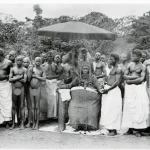
Christianity in Nigeria boasts a vibrant history, tracing its earliest roots back to 15th-century Portuguese explorers in the Kingdom of Warri, but firmly establishing itself in the 19th century through British missionaries and liberated enslaved Africans returning to Badagry and Abeokuta. Today, Nigeria holds the largest Christian population in Africa.
The faith spans across the nation but is predominantly concentrated in the South, Middle Belt, and among diverse ethnic groups such as the Igbo, Yoruba, and various minority groups in the North. Over the past few decades, the Nigerian Christian landscape has been completely transformed by the Pentecostal and Charismatic boom.
Massive “megachurches” like the Redeemed Christian Church of God (RCCG) and Winners’ Chapel have reshaped the socio-economic, political, and cultural fabric of the nation. These institutions not only build vast infrastructure like private universities and hospitals but have also become massive exporters of African Christianity worldwide.
- Leadership: Unified under the Christian Association of Nigeria (CAN).
- Education: A deep legacy of missionary schools evolving into modern, world-class private universities.
- Economy: Faith-based enterprises, mass media, and massive real estate developments (Campgrounds).
- Global Reach: Reverse missions, exporting Nigerian theology and worship back to Europe and the Americas.
Demographics & Scale
Understanding the footprint of the faith
Explore the Heritage
The various expressions of Christianity in Nigeria
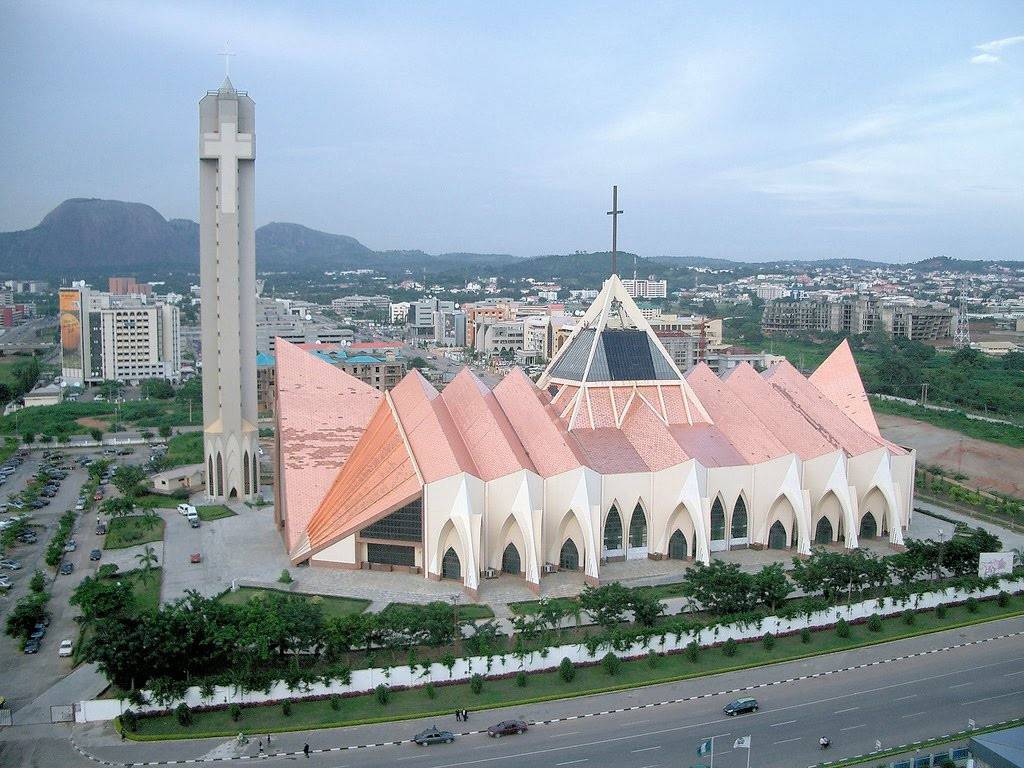
The National Christian Centre in Abuja, featuring a striking neo-gothic design, serving as the primary interdenominational place of worship in the capital.
| Catholic Church | One of the largest singular denominations, deeply rooted across the country, especially in the Southeast. |
|---|---|
| Anglican Communion | The historic bedrock of Protestantism in Nigeria, primarily established by the CMS in the 19th century. |
| RCCG | The Redeemed Christian Church of God, a globally expanding Pentecostal powerhouse known for its massive Redemption Camp. |
| Winners’ Chapel | Living Faith Church Worldwide, famous for its 50,000-seat Faith Tabernacle and Covenant University. |
| Deeper Life | Deeper Christian Life Ministry, known for its emphasis on holiness and its massive 30,000-seat headquarters in Lagos. |
Society, Economy & Culture
How faith intersects with public life
The foundation of Western education and modern healthcare in Nigeria was laid by early Christian missionaries. Today, this legacy continues through the Pentecostal boom. Churches have heavily invested in the education sector, establishing some of the nation’s highest-ranking private institutions, such as Covenant University and Babcock University.
Nigerian megachurches operate on an unprecedented scale. Many have developed massive tracts of land along the Lagos-Ibadan expressway into self-sustaining “campgrounds” equipped with their own power grids, banks, residential estates, and media networks, creating thousands of jobs and driving local economies.
Nigeria is almost evenly split between Christians and Muslims. While political and ethnic tensions occasionally manifest as religious conflicts, extensive interfaith dialogue exists. Organizations like the Nigeria Inter-Religious Council (NIREC) bring together leaders from CAN and the NSCIA to foster national unity, peace, and mutual understanding.
Christianity heavily influences Nigerian pop culture. The Nigerian gospel music industry is massive, producing global stars like Sinach, Nathaniel Bassey, and Dunsin Oyekan. Furthermore, Christian themes are deeply woven into Nollywood films, and church-owned satellite television stations broadcast Nigerian faith-based content worldwide.
Historical Timeline & Institutions
A guide to the development of the faith
| Era / Year | Event |
|---|---|
| 15th Century | Early Portuguese Catholic missionaries make contact with the Kingdom of Warri. |
| 1842 | Rev. Thomas Birch Freeman (Methodist) and CMS missionaries arrive in Badagry. |
| 1930s | The rise of Aladura (indigenous African Initiated Churches) blending Christianity with local traditions. |
| 1970s | The post-civil war era sees the explosion of modern Pentecostal and Charismatic movements. |
| 1976 | Formation of the Christian Association of Nigeria (CAN) to unify various denominations. |
| Organization | Role / Mandate |
|---|---|
| CAN | Christian Association of Nigeria; the apex umbrella body representing all Christian blocs. |
| PFN | Pentecostal Fellowship of Nigeria; represents the massive charismatic and pentecostal churches. |
| CCN | Christian Council of Nigeria; represents historic Protestant denominations (Anglican, Methodist). |
| CSN | Catholic Secretariat of Nigeria; the administrative headquarters for the Catholic Church. |