Now Reading: Erhabor Emokpae: Nigeria’s Master of Symbolism and Monumental Art
-
01
Erhabor Emokpae: Nigeria’s Master of Symbolism and Monumental Art
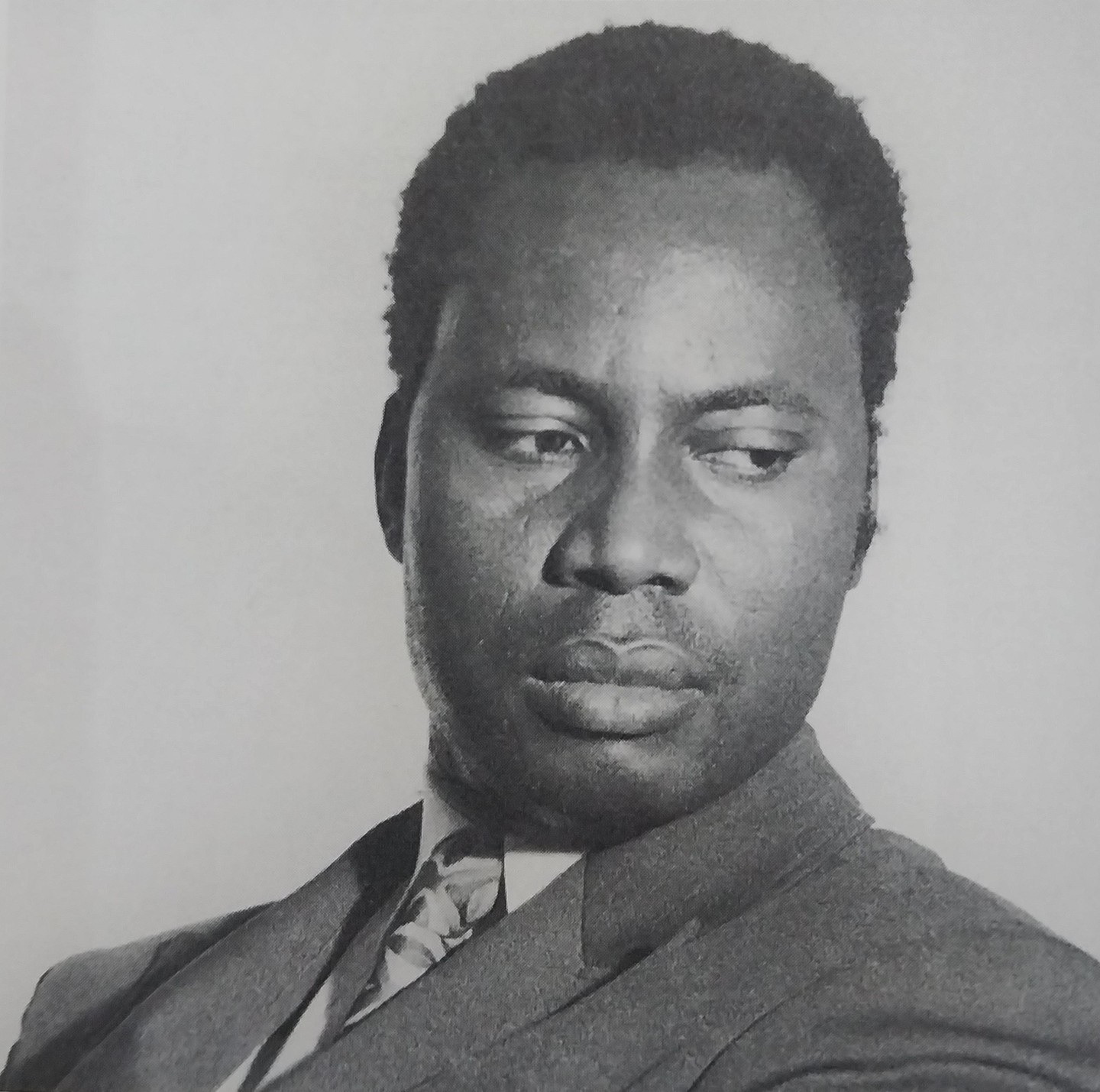


Early Life and Background
Erhabor Ogie Emokpae was born in 1934 in Benin City, Edo State, Nigeria.
He trained at the Nigerian College of Arts, Science and Technology, Zaria, and later studied at the Camberwell School of Arts and Crafts in London. A gifted draughtsman and painter, Emokpae combined academic training with the rich artistic traditions of Benin, where bronze casting, woodcarving, and symbolism were deeply embedded in cultural life.
Artistic Career
Versatility in Media
Erhabor Emokpae was a painter, sculptor, graphic designer, and stage designer. His multidisciplinary approach made him one of the most versatile Nigerian artists of his generation.
Symbolism and Style
- Known for his symbolic and allegorical works, often referencing Benin art, folklore, and national identity.
- Blended modernist abstraction with African iconography, making his works both contemporary and deeply rooted in tradition.
- Explored themes of freedom, independence, spirituality, and nationhood.
Major Works
- Designed the coat of arms of Nigeria (1960), one of his most enduring contributions to national identity.
- Created several public monuments and murals, including works for government buildings, universities, and churches.
- His paintings and sculptures often carried political and cultural commentary, linking art with the nation’s post-independence aspirations.
Theatre and Graphic Design
- Worked in theatre stage design, collaborating with Nigerian playwrights and performers.
- Created posters, book covers, and visual designs that advanced the development of Nigerian graphic arts.
Recognition and Exhibitions
- Exhibited widely in Nigeria, Europe, and North America during the 1960s–1980s.
- Recognized as one of the pioneers of Nigerian modern art, alongside Ben Enwonwu, Uche Okeke, Bruce Onobrakpeya, and Yusuf Grillo.
- His national projects and monuments remain landmarks of Nigerian art history.
Legacy and Influence
- As the designer of the Nigerian coat of arms, his work is permanently woven into the fabric of the nation.
- Pioneered a generation of artists who used symbolism to negotiate tradition and modernity.
- Mentor and inspiration for younger artists, especially in Benin City and Lagos.
- Remembered as a cultural nation-builder who used art to affirm Nigeria’s identity after independence.
Death
Erhabor Emokpae passed away in 1984, but his works remain influential in Nigerian art and design.
Conclusion
Erhabor Emokpae was more than an artist — he was a nation-builder through art, a painter, sculptor, and designer who shaped Nigeria’s cultural identity at independence. From the national coat of arms to monumental public art, his legacy endures as a symbol of Nigerian pride and creativity.










Related Posts


Stay Informed With the Latest & Most Important News
Previous Post
Next Post

Advertisement