Now Reading: Okpu Eze: Master of Color, Form, and Nigerian Modernism
-
01
Okpu Eze: Master of Color, Form, and Nigerian Modernism


Early Life and Background
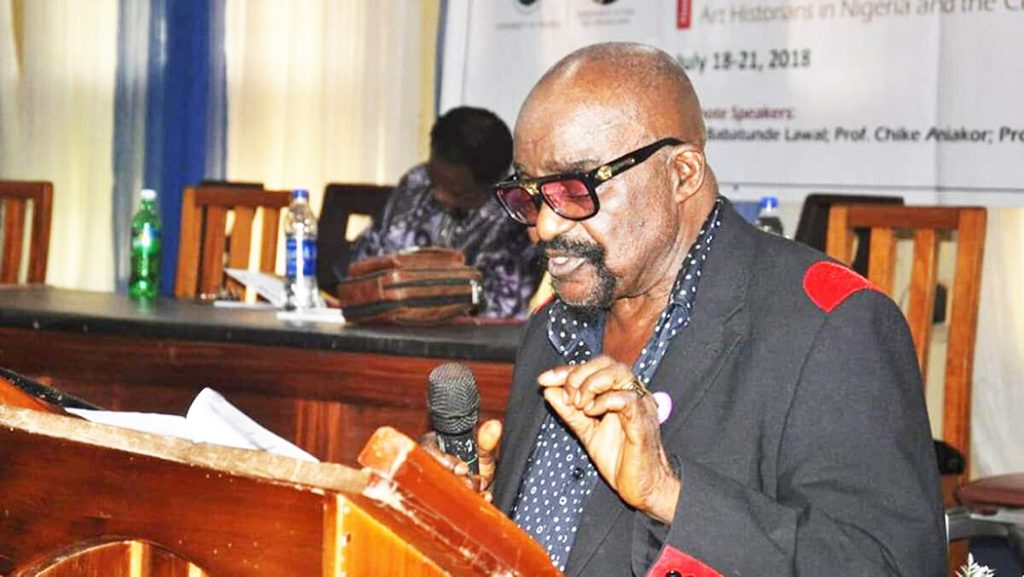
Okpu Eze was born in 1932 in Enugu, Eastern Nigeria. He belonged to the generation of Nigerian artists who emerged during the postcolonial transition, when Nigeria was seeking a modern national identity through art and culture.
He studied Fine Art at the Nigerian College of Arts, Science and Technology, Zaria (now Ahmadu Bello University) in the late 1950s. At Zaria, he was part of the same dynamic art scene that produced the Zaria Art Society (Zaria Rebels), though his path was more focused on painting and administration.
Career and Artistic Contributions
Painter of Modern Nigeria
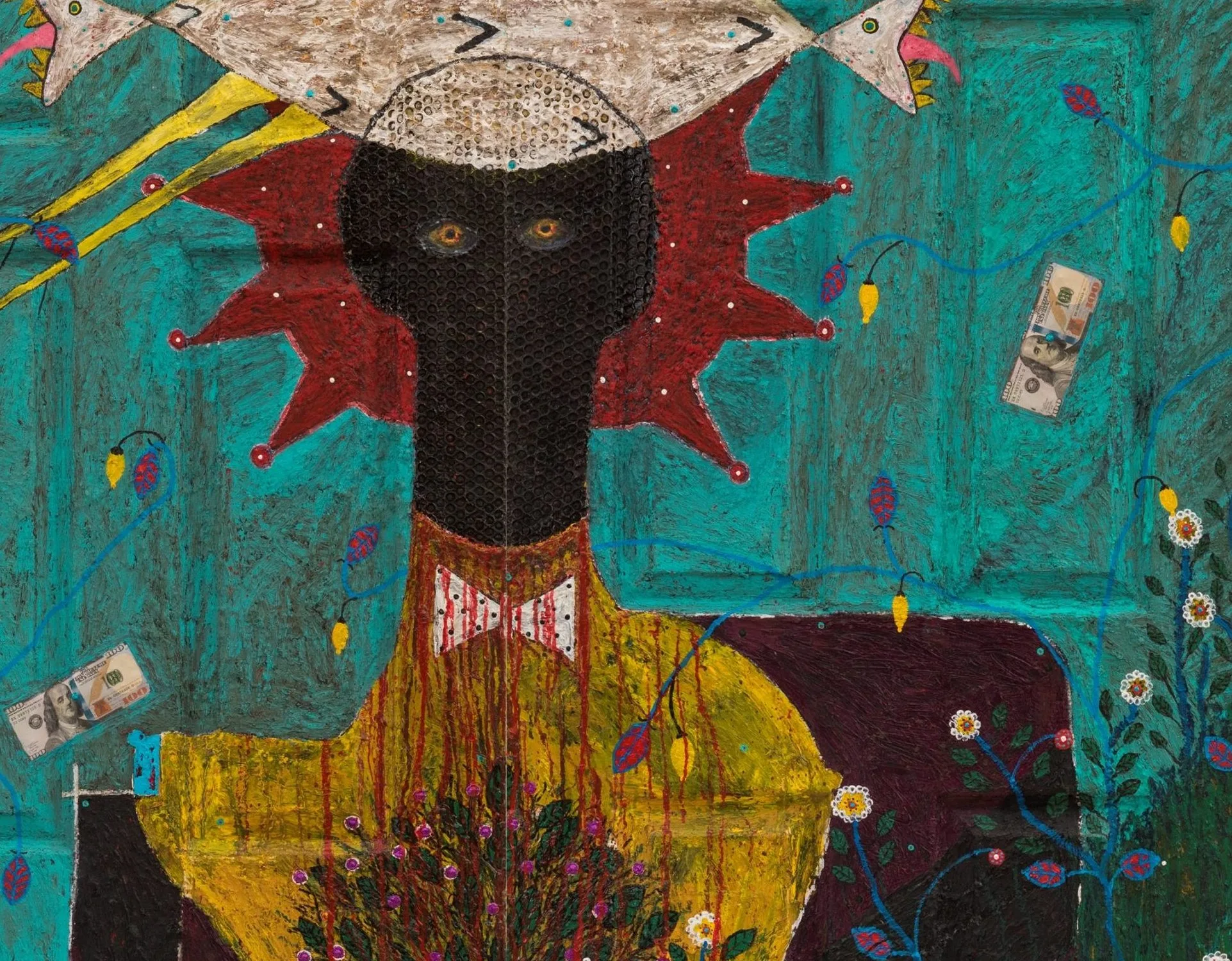
Okpu Eze became widely known for his vivid, colorful paintings, often combining figuration with abstraction.
- His works reflect influences from Yoruba and Igbo decorative patterns, proverbs, and motifs, fused with modernist forms.
- He experimented with color harmonies and bold shapes, creating a distinctive Nigerian visual vocabulary.
Leadership in the Arts
- Beyond painting, Okpu Eze played an active role in Nigerian cultural policy.
- He worked in cultural administration and was engaged with international bodies promoting African art.
- He contributed to the recognition of Nigerian artists abroad during the 1960s–1980s.
Style and Themes
- Use of strong, contrasting colors to evoke rhythm and energy.
- Themes of community, spirituality, and African identity.
- Bridged the gap between traditional aesthetics and modern painting techniques.
Recognition and Exhibitions
- Exhibited in Nigeria, Europe, and the United States.
- His works were part of important exhibitions showcasing Nigerian art in the decades after independence.
- Respected both as a painter and as an arts administrator who promoted Nigerian art internationally.
Legacy
- Okpu Eze is remembered as a pioneer of Nigerian modern art, part of the first generation that established Nigeria’s place in the global art scene.
- His emphasis on color, abstraction, and cultural symbolism influenced younger Nigerian painters.
- Though less internationally famous than contemporaries like Ben Enwonwu or Uche Okeke, his contributions as both artist and cultural ambassador remain vital to Nigeria’s art history.
Conclusion
Okpu Eze was not only a painter but also a cultural diplomat, helping shape Nigeria’s artistic identity during the crucial decades after independence. His colorful, abstract-infused works, along with his leadership in cultural policy, secured him a place among the founding fathers of Nigerian modern art.










Related Posts

Stay Informed With the Latest & Most Important News
Previous Post
Next Post

Advertisement