Now Reading: Old Oyo National Park: A Blend of Nature and History in Oyo State
-
01
Old Oyo National Park: A Blend of Nature and History in Oyo State

Old Oyo National Park: A Blend of Nature and History in Oyo State

The Old Oyo National Park, located in southwestern Nigeria, is one of the country’s most fascinating protected areas. Covering about 2,512 km², the park is not only rich in wildlife and savannah landscapes but also preserves the ruins of the ancient Oyo Empire — one of the most powerful West African kingdoms between the 14th and 19th centuries.
This combination of cultural heritage and natural beauty makes Old Oyo National Park a unique destination for both historians and eco-tourists.
📌 Geography and Features
- Location: Spanning Oyo, Irepo, Ogo-Oluwa, Orire, Atiba, and Saki East LGAs of Oyo State.
- Size: About 2,512 km², making it one of Nigeria’s larger national parks.
- Landscape: A mix of Guinea Savannah woodland, rocky outcrops, and river valleys.
- Rivers: Ogun River and Tessi River flow through the park, supporting aquatic life.
📌 Wildlife in Old Oyo National Park
The park is home to a variety of species, including:
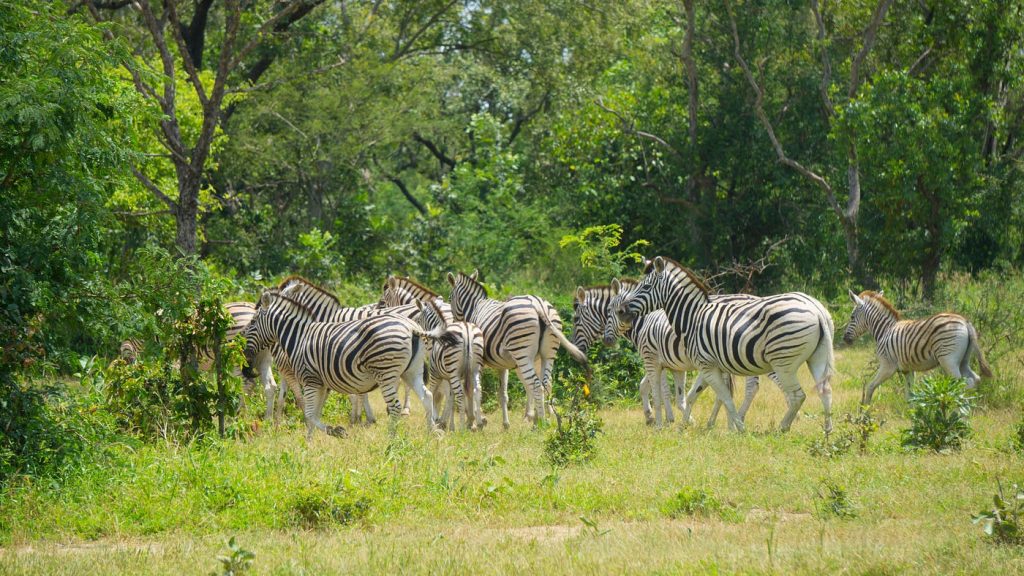
- Mammals: Elephants, baboons, buffaloes, antelopes, warthogs, and bushbucks.
- Carnivores: Hyenas, lions (rare), and civet cats.
- Birds: Over 330 bird species, including hornbills, eagles, and storks.
- Reptiles: Crocodiles, monitor lizards, and snakes along riverbanks.
📌 Historical and Cultural Significance
What sets Old Oyo apart from other Nigerian parks is its cultural heritage:
- The park houses the ruins of the Old Oyo Empire, once the capital of the powerful Oyo Kingdom.
- Visitors can see ancient city walls, defense ditches, palace sites, and burial grounds.
- It offers a chance to explore Yoruba history alongside natural attractions.
📌 Tourism and Activities
Visitors to Old Oyo National Park can enjoy:
- Game Viewing: Safari drives to spot elephants, antelopes, and baboons.
- Hiking & Rock Climbing: The park has rugged rocky hills perfect for adventure seekers.
- Bird Watching: Ideal for ornithologists and photographers.
- Cultural Exploration: Guided tours of the ancient Oyo Empire ruins.
- Fishing & Canoeing: On the Ogun River and other waterways.
📌 Challenges Facing the Park
- Poaching & Overgrazing: Local hunting and cattle grazing threaten wildlife.
- Encroachment: Farming and settlement expansion affect the park’s ecosystem.
- Low Tourism Awareness: Compared to Yankari and Cross River, Old Oyo attracts fewer visitors.
- Funding Limitations: Infrastructure and ranger support remain limited.
📌 Conservation and Future Potential
- Integrating history and eco-tourism makes Old Oyo unique.
- Developing eco-lodges and cultural tours could attract domestic and foreign visitors.
- Collaboration with universities for research and heritage studies.
- Community involvement is key — local Yoruba communities can benefit from tourism jobs and craft markets.
📌 Attractions Near the Park
- Oyo Town 🏛️ – cultural hub and home of the Alaafin of Oyo.
- Ibadan City 🌆 – a major Yoruba metropolis with museums and cultural centers.
- Kishi & Igbeti Hills 🏞️ – famous for hiking and panoramic views.
✅ Conclusion
The Old Oyo National Park is more than a wildlife sanctuary — it is a living museum of Yoruba history combined with the beauty of Nigeria’s savannah landscapes. For travelers, it offers the rare opportunity to experience safaris and ancient ruins in one trip. With more promotion and investment, Old Oyo could become a flagship heritage and eco-tourism destination in West Africa.










Related Posts


Stay Informed With the Latest & Most Important News
Previous Post
Next Post


Advertisement