
Now Reading: Step-by-Step Guide to Writing a Professional CV in Nigeria
1
-
01
Step-by-Step Guide to Writing a Professional CV in Nigeria
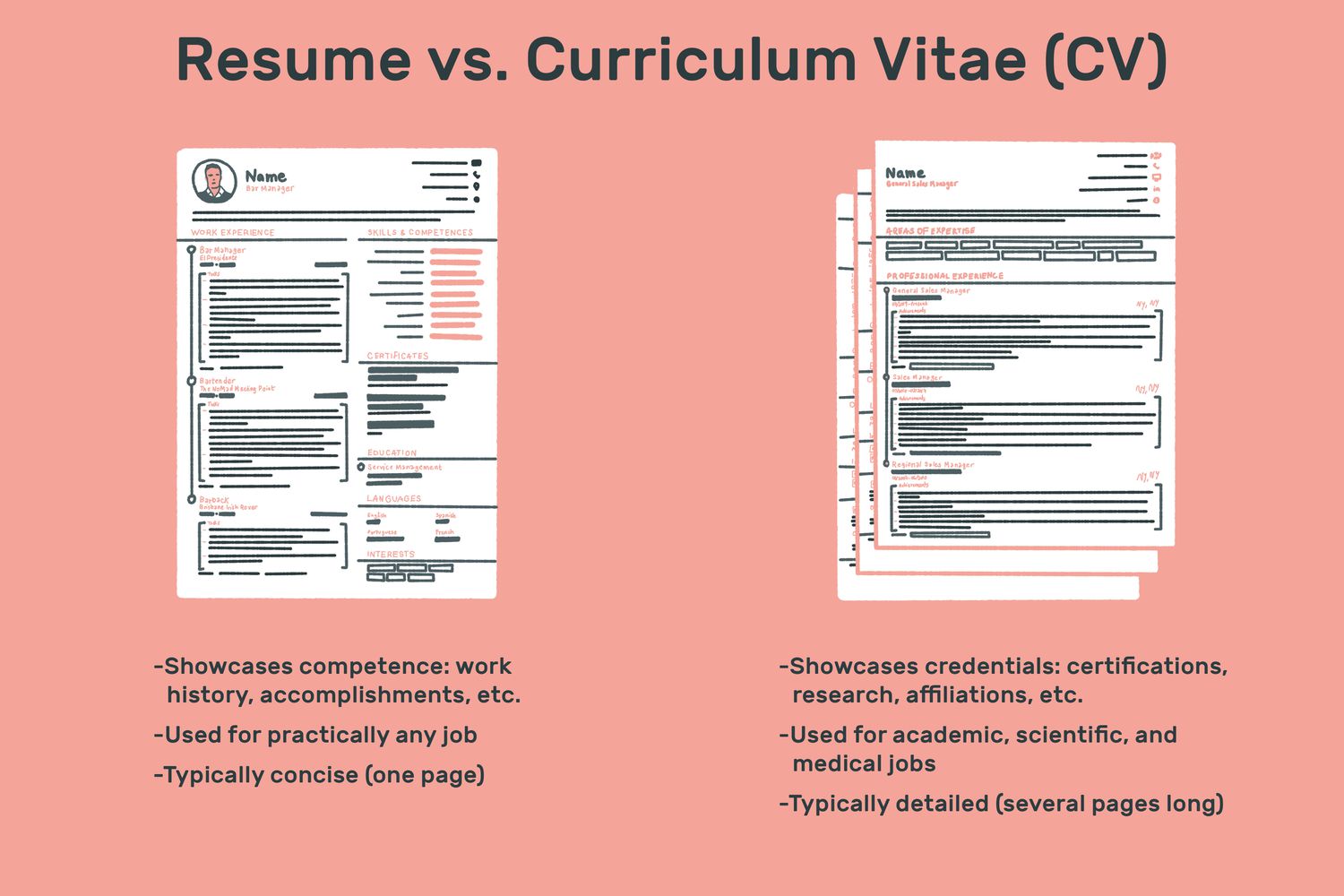


Your CV (Curriculum Vitae) is your first impression with Nigerian employers. A poorly written CV can cost you opportunities, no matter how qualified you are. A well-structured CV, on the other hand, opens doors.
Here’s a step-by-step guide to writing a CV that gets noticed in Nigeria.
📌 Step 1: Choose the Right CV Format
In Nigeria, the reverse chronological format is the most common. This means listing your most recent experiences first.
Basic CV sections include:
- Contact Information
- Professional Summary
- Education
- Work Experience
- Skills
- Certifications & Training
- References (optional, “Available on request”)
📌 Step 2: Start with Contact Information
At the top of your CV, include:
- Full Name (bold and clear)
- Phone Number (active and reachable)
- Email Address (professional — avoid nicknames)
- Location (e.g., Lagos, Nigeria)
- LinkedIn Profile (if available)
📌 Step 3: Write a Professional Summary
- A 3–4 sentence introduction summarizing who you are, your skills, and your career goals.
- Example:
“Result-oriented accounting graduate with 2 years’ internship experience in auditing and financial reporting. Skilled in Excel, QuickBooks, and tax compliance. Seeking to contribute to a reputable firm’s finance team.”
📌 Step 4: List Your Education
- Start with the most recent.
- Include degree, institution, and graduation year.
- Example:
B.Sc. Accounting – University of Lagos, 2022
📌 Step 5: Highlight Work Experience
- Use reverse chronological order.
- For each job, list:
- Job Title
- Company Name & Location
- Dates (Month/Year – Month/Year)
- 3–5 bullet points of achievements & responsibilities
✅ Use action verbs (e.g., managed, improved, developed).
✅ Quantify results where possible (e.g., “Increased sales by 25% in 6 months”).
📌 Step 6: Add Relevant Skills
Include hard skills and soft skills:
- Hard Skills: MS Office, Data Analysis, Project Management, Digital Marketing, AutoCAD, etc.
- Soft Skills: Leadership, Communication, Teamwork, Problem-Solving.
📌 Step 7: Include Certifications & Training
Employers in Nigeria value extra training. Examples:
- Google Digital Skills for Africa (Digital Marketing Certificate)
- ICAN/ACCA (Accounting certifications)
- PMP (Project Management Professional)
- CISCO/Oracle IT certifications
📌 Step 8: Keep References Simple
- You can write: “References available on request”.
- Alternatively, include two referees (usually senior professionals who can vouch for you).
📌 Step 9: Format Professionally
- Keep it 1–2 pages maximum.
- Use clear fonts (Arial, Calibri, Times New Roman, 11–12 pt).
- Avoid bright colors, fancy borders, or unnecessary graphics.
📌 Step 10: Proofread and Tailor
- Check grammar and spelling errors.
- Tailor your CV to each job by highlighting the most relevant skills and experiences.
✅ Final Tips
- Do not include sensitive details (religion, marital status, state of origin, photos) unless specifically requested.
- Keep your CV updated — add new skills and experiences regularly.
- Combine with a strong cover letter to stand out.










Related Posts


Stay Informed With the Latest & Most Important News
Previous Post
Next Post


Advertisement

Donations




Loading Next Post...


