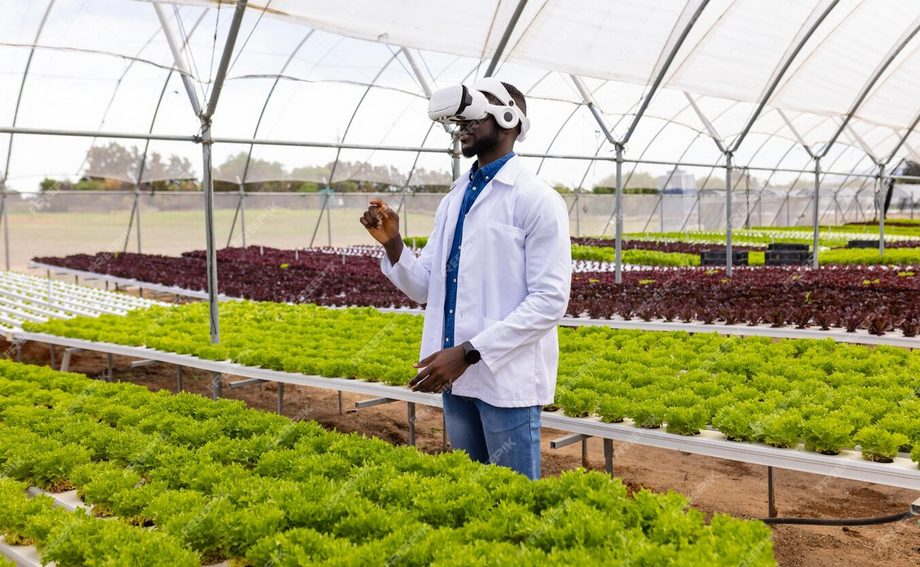
Before the discovery of oil, Nigeria was known as the breadbasket of West Africa. Cocoa, groundnuts, palm oil, and cotton from Nigerian farms fed both local populations and global markets.
Before the discovery of oil, Nigeria was known as the breadbasket of West Africa. Cocoa, groundnuts, palm oil, and cotton from Nigerian farms fed both local populations and global markets.

Agriculture has always been the backbone of Nigeria’s economy. Before the oil boom of the 1970s, Nigeria was a leading exporter of cocoa, groundnuts, palm oil, and cotton. Today, however,

Nigeria’s energy sector sits at the heart of its economy, politics, and global influence. As Africa’s largest oil producer, the nation’s fortunes have long been tied to crude exports. Yet,

Nigeria has entered a new chapter in its democratic journey. Each change in administration brings renewed hope for reform, accountability, and progress, but also heightened expectations from citizens weary of

Nigeria is often described as a “federal republic,” but its federalism is unique—shaped by colonial legacies, ethnic diversity, and decades of political experimentation. With over 250 ethnic groups and a

Corruption has long been described as Nigeria’s greatest obstacle to progress. From inflated contracts to political patronage and everyday bribery, graft affects nearly every sector of society. Despite decades of

Nigeria, Africa’s most populous nation, is facing one of its greatest internal challenges: insecurity. From insurgency in the Northeast to banditry in the Northwest, kidnappings in the Middle Belt, and
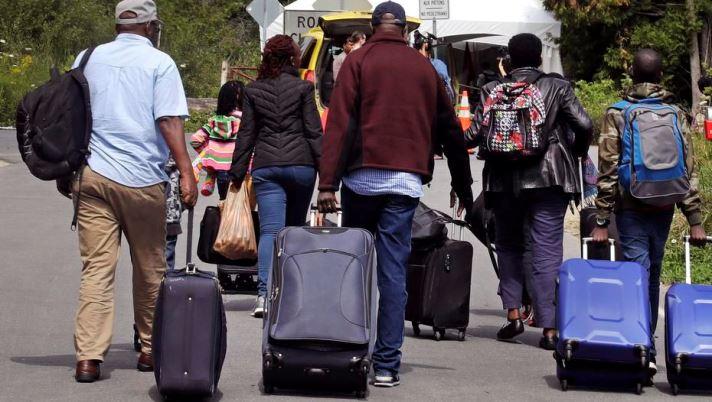
In recent years, one word has dominated conversations among young Nigerians: “Japa.” Derived from Yoruba slang meaning to run away or flee, Japa has become shorthand for the mass emigration

Fashion is more than clothing—it is culture, history, and identity woven into fabric. For Nigeria, fashion has become a powerful cultural export, standing proudly alongside music and film as part

Music has always been central to Nigeria’s identity. From the rhythms of traditional drumming to highlife, juju, and Fuji, Nigerian sounds have carried culture, politics, and spirituality. In the 21st