Now Reading: Nigerian Fashion Goes Global: From Traditional Textiles to International Runways
-
01
Nigerian Fashion Goes Global: From Traditional Textiles to International Runways

Nigerian Fashion Goes Global: From Traditional Textiles to International Runways

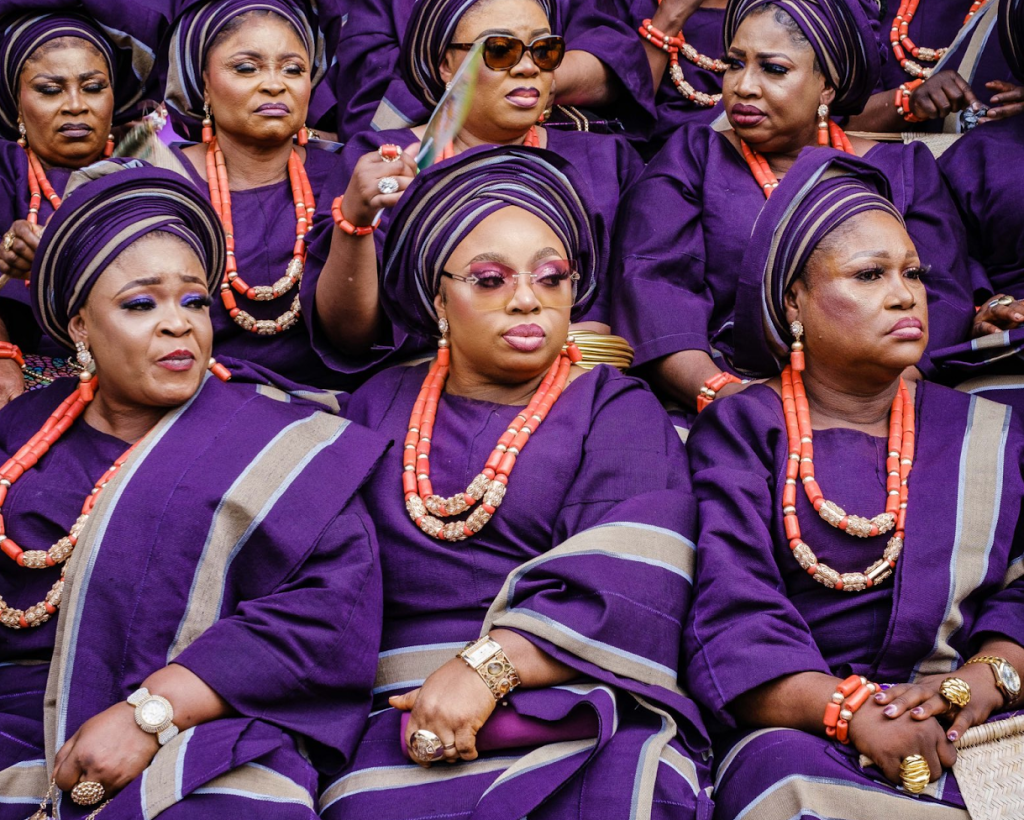
Fashion is more than clothing—it is culture, history, and identity woven into fabric. For Nigeria, fashion has become a powerful cultural export, standing proudly alongside music and film as part of the nation’s global soft power. From Aso Oke and Ankara to internationally acclaimed designers like Lisa Folawiyo, Kenneth Ize, and Deola Sagoe, Nigerian fashion is shaping global trends and redefining what it means to be stylish.
👗 The Roots: Textiles as Cultural Identity
Nigeria’s fashion story begins with its rich tradition of textiles:
- Aso Oke (Yoruba): Handwoven fabric used for weddings and special occasions.
- Adire (Yoruba): Tie-and-dye fabric with intricate indigo patterns.
- Ankara: Colorful wax prints, adopted and redefined as a staple of modern African identity.
- George & Lace (Igbo): Luxurious fabrics used for cultural ceremonies.
- Okene Cloth (Ebira): Woven patterns with deep cultural meaning.
These textiles are not just fabrics—they are symbols of heritage, status, and artistry passed down through generations.
🌍 The Rise of Nigerian Designers
Over the past two decades, Nigerian designers have taken these traditions global, blending heritage with modern aesthetics.
- Deola Sagoe: Renowned for haute couture and innovative use of African fabrics.
- Lisa Folawiyo: Pioneer of Ankara chic, transforming prints into luxury fashion.
- Kenneth Ize: Celebrated internationally for reviving Aso Oke in contemporary menswear.
- Mai Atafo: Known for sharp tailoring and bridal wear that merges African and Western influences.
- Lanre DaSilva Ajayi: Famous for combining Victorian styles with African fabrics.
These designers have graced international runways in Paris, Milan, London, and New York, proving that Nigerian fashion belongs on the world stage.
🕺 Nigerian Fashion and Pop Culture
The rise of Afrobeats has also boosted Nigerian fashion globally:
- Music Videos: Artists like Burna Boy, Wizkid, and Tiwa Savage showcase Nigerian-inspired styles in their visuals.
- Celebrity Endorsement: Beyoncé’s Black Is King featured Nigerian designers, shining global light on their work.
- Social Media: Instagram and TikTok have amplified Nigerian streetwear brands and fashion influencers, making local designs instantly global.
💡 Challenges and Opportunities
While the industry is booming, it faces hurdles:
- Infrastructure: Limited textile production means reliance on imports.
- Counterfeiting: Knock-offs of Ankara and other prints flood markets, hurting originality.
- High Costs: Locally made fashion is often more expensive than mass-produced imports.
Yet opportunities abound:
- E-commerce Growth: Platforms like Jumia and international partnerships help Nigerian brands reach wider audiences.
- Diaspora Demand: Nigerians abroad proudly wear traditional fabrics, expanding markets.
- Sustainable Fashion: Handwoven fabrics and eco-friendly production appeal to global consumers seeking ethical fashion.
✅ Conclusion
From the bustling markets of Lagos to the catwalks of Paris, Nigerian fashion is on the rise. It is bold, colorful, and unapologetically rooted in heritage while adapting to modern tastes. As designers continue to innovate and traditional textiles gain new life, Nigeria’s fashion industry is not just following global trends—it is setting them.
The world is watching, and Nigeria is dressing it in style.










Related Posts

Stay Informed With the Latest & Most Important News
Previous Post
Next Post
Advertisement