Now Reading: Navigating Nigeria’s Energy Sector: Oil, Gas, and the Renewable Transition
-
01
Navigating Nigeria’s Energy Sector: Oil, Gas, and the Renewable Transition


Nigeria’s energy sector sits at the heart of its economy, politics, and global influence. As Africa’s largest oil producer, the nation’s fortunes have long been tied to crude exports. Yet, volatility in oil markets, governance challenges, and environmental concerns are forcing Nigeria to rethink its energy future. The emerging focus on renewables and diversification signals both challenges and opportunities for Africa’s largest economy.
🛢️ Oil and Gas: The Backbone of the Economy
- Economic Role: Oil accounts for over 80% of Nigeria’s export earnings and about half of government revenues.
- Natural Gas Reserves: Nigeria holds Africa’s largest proven natural gas reserves, yet underutilization persists due to poor infrastructure and flaring.
- Global Position: Despite being an OPEC member, Nigeria often struggles to meet production quotas due to theft, underinvestment, and aging facilities.
🚧 Challenges in the Oil and Gas Industry
- Oil Theft and Sabotage: Crude oil theft in the Niger Delta costs billions annually and undermines government revenues.
- Environmental Damage: Oil spills and gas flaring devastate ecosystems and fuel unrest in host communities.
- Policy Uncertainty: Frequent changes in regulation and delayed implementation of the Petroleum Industry Act (PIA) discourage investors.
- Infrastructure Deficits: Aging pipelines, refineries that rarely operate at full capacity, and limited gas processing facilities.
- Global Energy Transition: As the world shifts from fossil fuels, Nigeria risks stranded assets if it fails to diversify.
🌍 Opportunities and Emerging Trends
- Petroleum Industry Act (PIA): Passed in 2021, the PIA aims to reform governance, attract investment, and ensure community participation in oil revenues.
- Gas as Transition Fuel: The government’s “Decade of Gas” initiative promotes domestic gas use for power generation, cooking, and industry.
- Local Refining: Projects like the Dangote Refinery promise to reduce fuel imports and stabilize supply.
- Renewables Growth: Investments in solar, wind, and hydro are expanding, especially in off-grid rural communities.
- Private Sector Innovation: Startups and investors are driving mini-grids, solar home systems, and energy access solutions for millions without electricity.
⚡ The Push Towards Renewable Energy
Nigeria’s energy paradox is stark: despite vast oil wealth, about 85 million Nigerians lack access to reliable electricity. Renewable energy offers a path to bridge this gap:
- Solar Power: Abundant sunshine makes Nigeria ideal for solar farms and off-grid solutions.
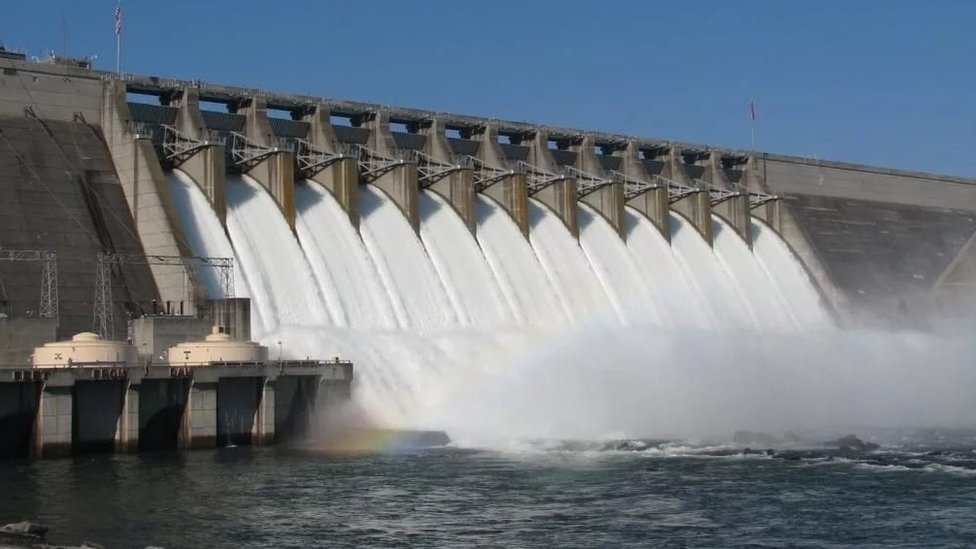
- Hydropower: Existing dams like Kainji and Shiroro can be upgraded, while small hydro projects could serve rural areas.
- Wind and Biomass: Though less developed, these sources add potential diversity to the energy mix.
- International Support: Partnerships with the World Bank, African Development Bank, and private investors are boosting renewable adoption.
💡 Balancing Oil Dependency and Green Growth
Nigeria faces a delicate balancing act:
- Short-Term: Oil and gas will remain central to government revenues and foreign exchange.
- Medium-Term: Expanding gas infrastructure and refining capacity can reduce imports and boost industrialization.
- Long-Term: Scaling renewable energy is essential for sustainable growth, climate commitments, and universal energy access.
✅ Conclusion
Nigeria’s energy sector stands at a crossroads. While oil and gas remain dominant, the country must urgently address theft, underinvestment, and environmental harm while embracing renewable energy. The transition will not be easy, but it offers Nigeria a chance to move from dependence on crude exports to a diversified, sustainable energy economy.
The question is not whether Nigeria should change—but how quickly it can navigate this energy transition for the benefit of its people and future generations.










Related Posts


Stay Informed With the Latest & Most Important News
Previous Post
Next Post


Advertisement