Now Reading: The Evolution of Nigerian Music
-
01
The Evolution of Nigerian Music


This report provides a definitive historical and cultural analysis of the evolution of Nigerian music. It posits that the country’s musical landscape is a dynamic product of continuous syncretism, born from the fusion of deeply rooted indigenous traditions with successive waves of external influences. The narrative is structured across four key eras: the foundational pre-colonial period, the transformative colonial and post-colonial transition, the revolutionary and modern era, and the contemporary digital age. Key findings include the crucial distinction between Fela Kuti’s politically charged Afrobeat and the commercially-driven, pop-infused Afrobeats, and the pivotal role of the digital revolution and the global Nigerian diaspora in catapulting the sound to international acclaim. This analysis demonstrates how Nigerian music, from its functional and ritualistic origins, has become a powerful vehicle for cultural identity, social commentary, and global artistic expression.
Part I: The Roots of Nigerian Soundscapes (Pre-colonial to Early 20th Century)
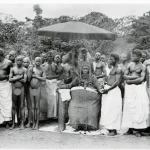
This section establishes the foundational bedrock of Nigerian music by exploring the distinct, yet interconnected, musical traditions of the country’s major ethnic groups: the Yoruba, Igbo, and Hausa. While each group possesses a unique musical identity, their traditions collectively underscore the profound socio-cultural role of music in pre-colonial Nigerian life, where it served as a vital, functional tool rather than mere entertainment.
The Three Pillars: Yoruba, Igbo, and Hausa Traditions
The Yoruba people, residing in the southwestern part of Nigeria, are distinguished by a rich drumming tradition that is deeply integrated into their cultural and spiritual life. A cornerstone of their musical heritage is the use of the
dundun hourglass tension drum. Ensembles featuring various sizes of these drums, alongside kettledrums (gudugudu), play a form of music also called dundun. The lead drummer, known as the iyalu, possesses a unique ability to make the drum “talk” by imitating the tonality of the Yoruba language, thereby conveying complex messages and narrative. This form of communication highlights how Yoruba music is not just for performance but for the preservation of culture, the dissemination of information, and the enactment of religious rituals. The spiritual nature of their music, often devoted to their gods, is a central theme, with drumming, singing, and dancing considered an inseparable totality of musical expression.
In the southeast, the Igbo people also have a musical tradition heavily reliant on percussion, valuing the drum and gong for their ability to provide a diverse array of tempos, sounds, and pitches. Instruments like the
udu, a pot drum, and the ekwe, a slit drum, are fundamental to their folk music. The
udu is typically played by women for traditional rites of passage and community gatherings, while the ekwe is used for signaling emergencies, community meetings, or the presence of intruders. A notable distinction from Yoruba music is that Igbo drums are not considered “talking drums”; although they produce tonal and melodious sounds, they are not spiritual in their usage or known to imitate spoken language. The Igbo people’s history also reflects a significant openness to external influences, as they were among the first to readily adopt foreign styles, a characteristic that would later make them a pivotal part of the highlife movement in Nigeria.
The musical traditions of the Hausa people in the North are deeply shaped by Islamic and Arabian culture, an influence that dates back to the 14th century. Their music is known for complex percussion and a strong praise song vocal tradition, which is used to celebrate important life events such as births, marriages, and circumcisions. A key instrument is the one-stringed fiddle known as the
goje. However, their most impressive ceremonial instrument is the
Kakaki, an elongated state trumpet that can measure over two meters in length. Originally used by the Songhai cavalry, the Kakaki was adopted by the Hausa states as a symbol of military power and authority. In contrast to the intricate polyrhythms of the South, traditional Hausa music often employs free-rhythmic improvisation and a monodic, single-line structure, reflecting its roots in other Muslim Sahelian tribes of West Africa.
The distinct characteristics of these three traditions highlight a fundamental, geographically-defined distinction in musical form and function. Hausa music, with its Islamic influences, tends towards a monodic structure and a focus on praise songs and ceremonial functions. In contrast, the southern genres of the Yoruba and Igbo are characterized by complex polyrhythms and a more intricate relationship with spirituality and community communication. This North-South musical divide is a direct consequence of distinct cultural and religious trajectories.
Foundational Instruments and Their Functions
The functionality of traditional Nigerian music is best understood through an analysis of its foundational instruments. These tools are not merely for aesthetic purposes; they are integral to the social fabric, acting as devices for communication, social signaling, and cultural preservation. The tradition of participatory music, where nearly everyone plays an instrument or two, is a defining feature of pre-colonial soundscapes.
| Ethnic Group | Instrument | Description | Cultural Function |
| Yoruba | Dundun | An hourglass tension drum that is ‘talked’ by the lead drummer. | Communication, cultural preservation, and religious rituals. |
| Gudugudu | A kettledrum played as part of a dundun ensemble. | Provides rhythm and complements the lead drum. | |
| Shekere | A gourd rattle with a bead net. | Provides a rhythmic layer, used in both traditional and modern genres. | |
| Igbo | Udu | A pot drum, typically played by women. | Used for traditional rites of passage, weddings, and community club meetings. |
| Ekwe | A slit drum carved from a hollowed-out tree trunk. | Signaling emergencies, community meetings, and warning of intruders. | |
| Ogene | A metal gong. | Used to announce events and provide a rhythmic base. | |
| Hausa | Kakaki | An elongated state trumpet, over two meters long. | A symbol of military power, used in ceremonial music. |
| Goje | A one-stringed fiddle. | Used in praise songs and folk music. | |
| Kalangu | A talking drum. | Provides a complex percussive layer. |
The enduring nature of this tradition is a powerful demonstration of cultural resilience. It provided a durable foundation that later enabled the seamless integration of foreign elements without losing its core identity. Nigerian musicians proved adept at reappropriating new instruments and forms, transforming them to fit their existing rhythmic frameworks, a process that would become the hallmark of the country’s musical evolution.
Part II: The Colonial and Post-Colonial Transition (1920s – 1970s)
This section analyzes the transformative period when external forces, particularly from colonialism and the broader African diaspora, began to fuse with Nigerian traditions, giving rise to its first wave of globally recognized popular genres. The introduction of Western musical instruments and styles was not an act of cultural replacement but a catalyst for creative innovation, leading to the emergence of syncretic forms such as Highlife, Jùjú, and Fuji.
The Syncretic Age: Highlife and Jùjú
The colonial era had a profound influence on Nigerian music, introducing instruments like the guitar, piano, and trumpet, as well as Western musical forms like hymns and march music. However, rather than simply adopting these new elements, Nigerian musicians creatively reappropriated them, blending them with their indigenous sounds to forge new genres.
Highlife music, which originated in Ghana in the late 19th century, provides a prime example of this syncretic process. Its popularity spread to Nigeria by the 1930s, where it underwent a significant transformation. Nigerian artists like Cardinal Rex Lawson, Osita Osadebe, and Oliver De Coque adopted Highlife to fit their local context, incorporating Nigerian languages, melodies, and traditional rhythms into the genre. A key aspect of this Nigerian localization was the fusion of the genre with Yoruba asymmetrical drum rhythms and syncopated guitar melodies. This transformation demonstrated a powerful cultural resilience, with Nigerian artists turning foreign influences into a uniquely local sound, a style that became a soundtrack to post-independence aspirations.
Jùjú music, another product of this syncretic age, emerged in Lagos in the 1920s. It was pioneered by artists like Tunde King, who fused Yoruba traditional music with the newly imported brass instruments, Islamic percussion, and Brazilian techniques. Early Jùjú music was characterized by the use of banjo or acoustic guitar, drums, gourd rattles, and vocals. This fusion created a vibrant and dynamic sound that was deeply rooted in Yoruba culture while embracing new instrumentation and aesthetics.
From Wéré to Fuji: A New Rhythmic Paradigm
The evolution of Fuji music provides a clear case study of a genre born from a specific religious and cultural practice that was modernized for a broader audience. Fuji evolved from
wéré music, an improvisational, percussive, and call-and-response genre used by Muslim singers to awaken the faithful for the pre-dawn meal during the holy month of Ramadan.
Alhaji Sikiru Ayinde Barrister is widely credited as the pioneer of Fuji music. In the late 1960s and early 1970s, he innovated on the foundational elements of wéré by integrating influences from diverse genres like Apala, Jùjú, Afrobeat, and Highlife. His modernization efforts transformed the genre’s instrumentation, incorporating a wider array of percussive elements, synthesizers, and electronic keyboards. Barrister’s influence was so profound that he is credited with coining the genre’s name after seeing a poster for Japan’s Mount Fuji at an airport, an interesting cultural crossover story that created an unexpected bridge between Yoruba tradition and a foreign landmark.
The Afrobeat Revolution: Politics, Protest, and Fela Kuti
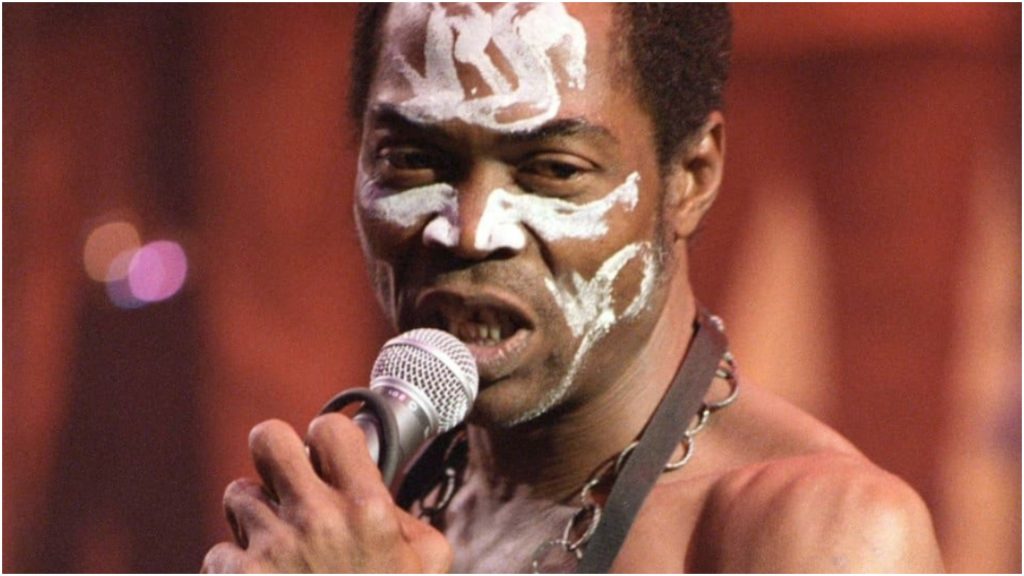
Fela Kuti’s Afrobeat was not simply another genre; it was a revolutionary political and musical practice that fused art with activism. Fela’s musical and political consciousness was fundamentally transformed by his 1969 tour of the United States, where he was exposed to the politics of Malcolm X and the Black Panthers. He began to see music as a weapon for social change.
Afrobeat is a powerful fusion of American blues, jazz, and funk with traditional Yoruba music and Ghanaian highlife. Its core musical characteristics were inseparable from its political purpose. The genre is defined by long, intricate instrumental jams, powerful horn sections, and complex polyrhythms masterfully crafted by drummer Tony Allen. Fela’s compositions were designed to be a platform for his extended monologues and detailed social commentary, with songs often lasting over 10 minutes.
Fela used his music to launch a direct, confrontational, and antagonistic lyrical assault on government corruption and military brutality. In “Zombie,” he used the zombie metaphor to scathingly critique the Nigerian military, infuriating the government and leading to a brutal raid on his commune, the Kalakuta Republic. In “International Thief Thief,” he publicly disgraced a Nigerian CEO and politician for what he saw as neocolonial complicity. Fela’s music, sung in a mix of Yoruba and Pidgin English, resonated deeply with the unemployed and oppressed, transforming Afrobeat into a revolutionary movement. The establishment of the Kalakuta Republic was a physical manifestation of his philosophy of
alterity—the creation of an alternative space outside the control of the Nigerian state and its “homogenizing ordering of society”.
Part III: Modernization and Global Export (1980s – Present)
This section covers the crucial shift from localized, post-independence genres to a globally dominant musical force, highlighting the key technological and cultural drivers behind this transformation. The commercial and artistic evolution of Jùjú and Fuji, along with the rise of the modern Afrobeats genre, reflects a new era of globalization and artistic freedom.
The Commercialization of Jùjú and Fuji’s Continued Evolution
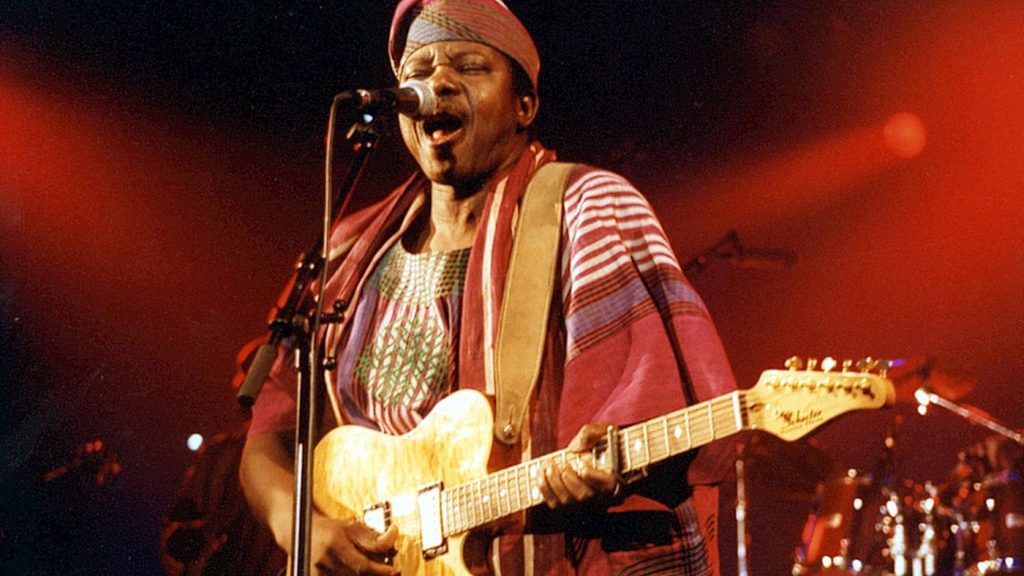
By the 1980s, genres like Jùjú began a new phase of modernization and commercialization. Pioneers such as King Sunny Ade and Chief Ebenezer Obey brought Jùjú to a wider audience, both domestically and internationally, solidifying its place as a cornerstone of Nigerian popular music.
Fuji music also continued to evolve, giving rise to distinct sub-genres and styles. K1 the Ultimate, for example, is credited with contemporizing the genre with his “Classical Fuji,” which blended traditional elements with modern sounds. Other artists, such as Adewale Ayuba with “Bonsuwe Fuji” and Pasuma Alabi with “Oga nla Fuji,” have continued this tradition of infusing the genre with their own unique flavors while preserving its core elements. The most recent evolution of Fuji is characterized by an explosion of exciting sub-genres, including “Fujipiano” and “Neo-Fuji.” These new styles, championed by artists like Asake and Seyi Vibez, fuse traditional Fuji delivery with contemporary sounds like South Africa’s Amapiano and modern Afrobeats. This constant renewal, through fusion and reinterpretation, has ensured the genre’s enduring relevance.
The Global Phenomenon of Afrobeats
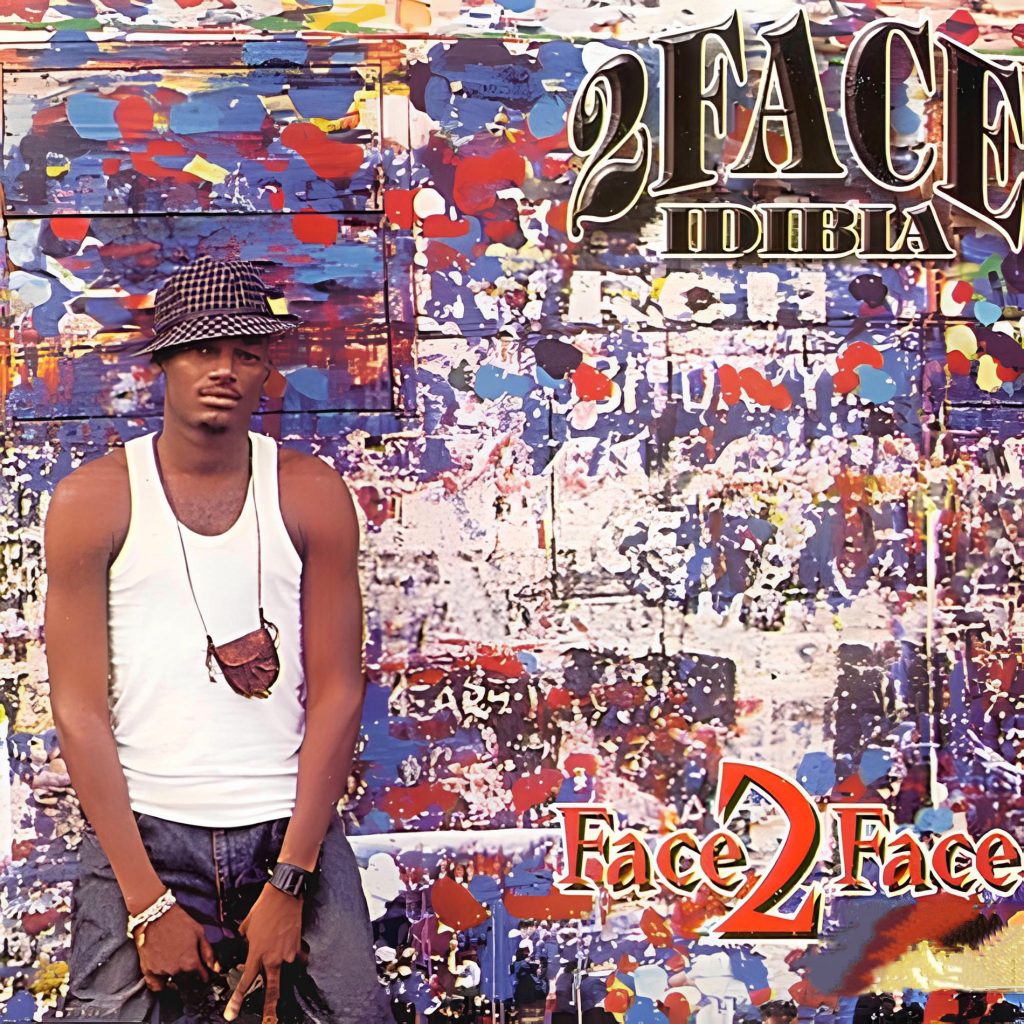
One of the most significant developments in modern Nigerian music is the emergence of Afrobeats, a term that is often confused with Fela Kuti’s Afrobeat. It is imperative to distinguish between the two genres, as they represent different eras, purposes, and musical characteristics. Fela’s Afrobeat (without an ‘s’) was a politically charged, live-instrumentation genre characterized by long instrumental jams, jazz improvisation, and a large ensemble. In contrast, Afrobeats (with an ‘s’) is a modern, more commercialized and pop-oriented sound that is a catch-all term for West African pop music.
| Feature | Afrobeat (Fela Kuti) | Afrobeats (Modern Pop) |
| Era | 1960s-1990s | Late 1990s-Present |
| Pioneers | Fela Kuti, Tony Allen, Orlando Julius | Wizkid, Davido, Burna Boy, D’Banj |
| Instrumentation | Large, live band; traditional percussion, horns, guitars, bass, keys | Electronic and computer-based production; software synthesizers, samples, drum machines |
| Lyrical Themes | Politically and socially conscious; anti-corruption, anti-colonialism | Celebratory, aspirational; themes of love, relationships, partying, personal success |
| Song Length | Long-form; often 10+ minutes with extended grooves | Radio-friendly; typically 3 to 4 minutes following pop formulas |
| Rhythmic Structure | Intricate, hypnotic, polyrhythmic; “humanized” and freeform feel | Less swung and syncopated; often follows hip-hop or dancehall patterns |
| Commercial Intent | Low commercial intent; a vehicle for political commentary | High commercial intent; produced to be radio-friendly and dancefloor-ready |
Export to Sheets
Afrobeats is a fusion of various contemporary and traditional sounds, including hip-hop, dancehall, R&B, and EDM. It is defined by its signature driving drum beats, which harken back to traditional African rhythms but are often rendered through electronic production. This meticulous, polished sound, achieved through tools like samples and vocal pitch correction, makes it highly suitable for the global pop market.
The Digital Revolution and the Diaspora’s Role
The global success of Afrobeats is not a happy accident but the direct result of a new technological ecosystem that dismantled traditional gatekeepers and provided African artists with a direct line to a worldwide audience. The rise of streaming platforms like Spotify, Apple Music, and Boomplay, along with social media platforms like YouTube and TikTok, has been instrumental in this transformation. These platforms allowed artists to bypass the need for major record labels and connect directly with listeners, leading to a flourishing of creative expression and independent distribution.
The critical role of the global Nigerian and West African diaspora cannot be overstated. In the early days, young, first- and second-generation Africans in cities like London and Atlanta were the genre’s first dedicated international audience. They consumed the music and shared it on social media platforms, helping to build a critical mass long before it broke into the global mainstream. This process transformed the diaspora from passive consumers into active cultural ambassadors, creating a feedback loop that continues to this day and has shifted the model of cultural export from a top-down to a decentralized, interactive one.
The digital revolution’s impact was not monolithic. In the local market, major mobile operators like MTN and Glo tapped into the popularity of Afrobeats to market their brands and developed a lucrative market for ringback tones. This innovative business model provided a significant early revenue stream for artists and a unique form of monetization not tied to Western models, further fueling the growth of the local music industry.
Part IV: The Contemporary Landscape and Future Trajectories
This final section explores the latest wave of musical innovation and provides a concluding perspective on the enduring legacy and future potential of Nigerian music. The emergence of new sub-genres and counter-cultural movements demonstrates that the drive for creative expression remains a central force in the industry.
The Alté Movement: A Counter-Cultural Expression
The Alté movement represents a new and distinct cultural phenomenon, which is more than just a musical genre; it is a philosophy of individualism and a “non-traditional mode of self-expression” that spans music, fashion, and art. The term, coined by the group DRB LasGidi, means “alternative” and is a counter-narrative to the tropes that have traditionally defined Nigerian creative culture.
The musical characteristics of Alté are rooted in experimentation and fusion, combining elements of Afrobeats, dancehall, reggae, hip-hop, and R&B. The sound is often described as laid-back and atmospheric, with a blend of electronic and organic instrumentation. Key pioneers like Cruel Santino, Odunsi (The Engine), and Lady Donli have pushed the boundaries of the genre by blending diverse sounds and creating a cultural community that celebrates individuality and artistic freedom.
The emergence of the Alté movement echoes the rebellious spirit of Fela’s Afrobeat but with a modern, post-millennial purpose. While Fela’s was a direct, political assault on the state, the Alté movement represents a cultural rebellion against established traditions and creative homogeneity. The fact that mainstream artists are now “tapping into” the Alté scene, leading to sub-genres like Neo-Fuji, proves the power of this subculture to influence and revitalize the broader musical landscape, suggesting that the drive for artistic innovation will continue to be a self-sustaining force in Nigerian music.
Conclusion and Future Outlook
The evolution of Nigerian music is a continuous narrative of creative fusion and adaptation. From the functional, ritualistic rhythms of its foundational ethnic groups to the syncretic sounds of the colonial and post-colonial eras, Nigerian music has consistently demonstrated a unique ability to absorb and re-imagine external influences. The revolutionary Afrobeat of Fela Kuti established music as a potent vehicle for social and political commentary, imbuing it with a purpose that transcended entertainment.
In the contemporary era, the global rise of Afrobeats stands as a testament to the power of the digital revolution and the pivotal role of the global African diaspora. The dismantling of traditional gatekeepers by streaming services and social media, coupled with the early adoption of the sound by diaspora communities, created a new ecosystem for cultural export. This decentralized, bottom-up model has empowered a new generation of artists and producers, transforming Nigerian music into a global cultural and economic force. Looking forward, the continued innovation seen in movements like Alté and the fusion with genres like Amapiano suggests that Nigerian music will remain a dynamic, ever-evolving force, with a promising future of continued global influence and creative expression. Sources used in the report










Related Posts
Stay Informed With the Latest & Most Important News
Previous Post
Next Post
Advertisement