
Now Reading: Goodluck Jonathan
1
-
01
Goodluck Jonathan
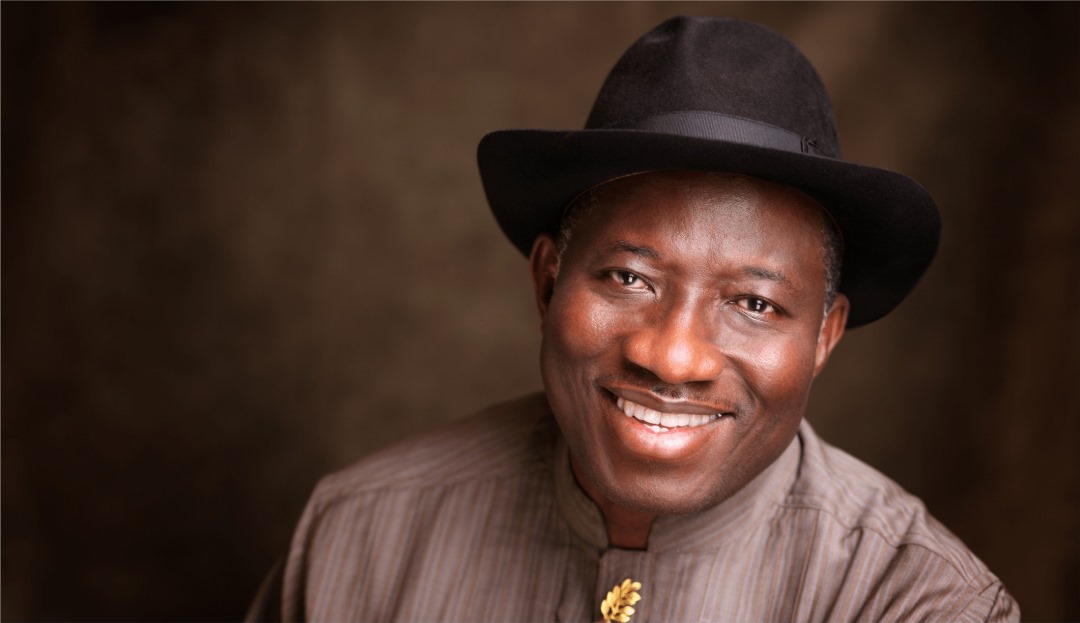

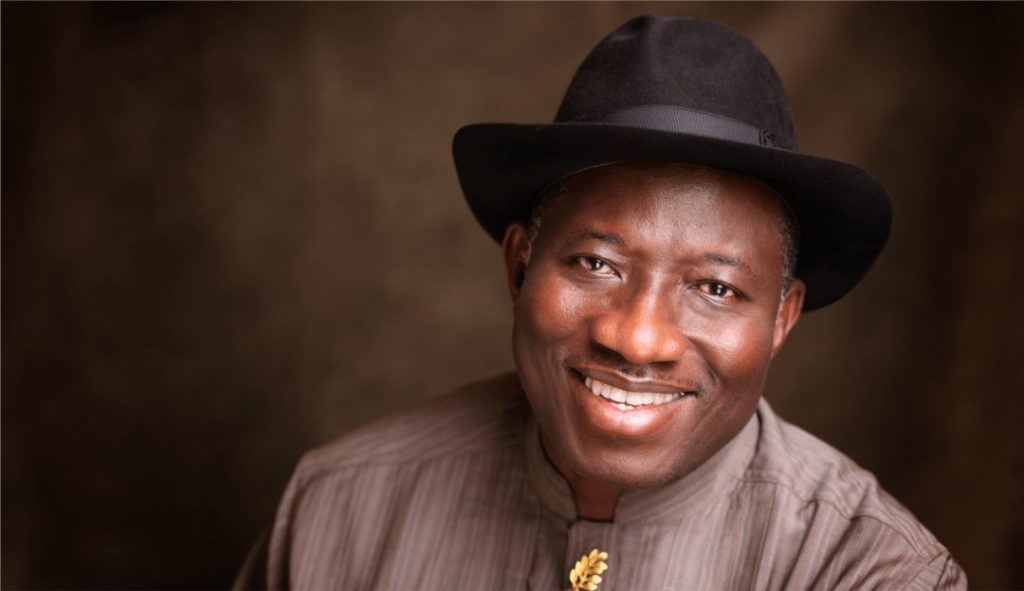
📍 Quick Facts
- Full Name: Goodluck Ebele Azikiwe Jonathan
- Date of Birth: November 20, 1957
- Place of Birth: Otuoke, Bayelsa State, Nigeria
- Profession: Zoologist, Politician, Former President of Nigeria
- Legacy: President of Nigeria (2010–2015), known for peaceful leadership and being the first sitting Nigerian president to concede defeat in an election.
🌱 Early Life & Education
- Born into a humble family in the Niger Delta region (Otuoke, Bayelsa State).
- His father was a canoe maker; his upbringing was modest, reflecting the life of ordinary Nigerians.
- Studied Zoology at the University of Port Harcourt (B.Sc.), later earning an M.Sc. in Hydrobiology and Fisheries Biology, and eventually a Ph.D. in Zoology.
- Worked as an education inspector, lecturer, and environmental protection officer before entering politics.
🏛 Political Career
🎓 Early Political Journey
- Entered politics in the late 1990s.
- 1999: Became Deputy Governor of Bayelsa State under Governor Diepreye Alamieyeseigha.
- 2005: After Alamieyeseigha’s impeachment, Jonathan was sworn in as Governor of Bayelsa State.
🇳🇬 Vice President of Nigeria
- In 2007, Jonathan became Vice President of Nigeria under President Umaru Musa Yar’Adua.
- Took a low-profile approach but gained respect for his calm demeanor.
🦅 Presidency (2010–2015)
- 2010: Became President after the death of Yar’Adua.
- 2011: Elected President in his own right in a historic election.
Key Achievements:
- Oversaw Nigeria’s economy becoming the largest in Africa in 2014.
- Reformed the electoral system, strengthening democratic institutions.
- Expanded education access, especially in the north (established 12 new federal universities).
- Pushed for agricultural reforms, improving local food production.
Challenges:
- Faced security threats from Boko Haram insurgency, especially in the northeast.
- Criticized for corruption scandals during his administration.
🕊 Peaceful Transition of Power
- 2015 Elections: Lost to Muhammadu Buhari.
- Made history as the first Nigerian president to concede defeat peacefully, earning global praise for strengthening democracy.
🌍 International Recognition
- After leaving office, Jonathan became a respected African statesman.
- Frequently invited to mediate elections and peace processes across Africa (e.g., in Liberia, Sierra Leone, Mali).
- Honored by several international bodies for his commitment to peace and democracy.
🌟 Achievements & Impact
- Credited with deepening Nigerian democracy through free and fair elections.
- Known for his humility and peaceful disposition.
- Famous for saying: “My ambition is not worth the blood of any Nigerian.”
🏆 Awards & Recognition
- African Sun Times Person of the Year (2013).
- Martin Luther King Jr. Award (2011).
- Multiple international awards for democracy and peace-building.
🏦 Legacy
- Goodluck Jonathan remains a symbol of democratic maturity in Africa.
- Remembered for prioritizing peace over power.
- Continues to play a major role in international diplomacy and democracy advocacy.
✅ Conclusion
Dr. Goodluck Jonathan’s journey from a modest upbringing in Bayelsa to Nigeria’s presidency is a story of humility, leadership, and peaceful governance. His democratic concession in 2015 remains a watershed moment in Nigerian history, inspiring African leaders to respect the will of the people.










Related Posts

Stay Informed With the Latest & Most Important News
Previous Post
Next Post
Advertisement

Donations







Loading Next Post...


