
Now Reading: Beyond the Aso-Oke: Modern Nigerian Fashion from Street Style to Haute Couture
1
-
01
Beyond the Aso-Oke: Modern Nigerian Fashion from Street Style to Haute Couture
Beyond the Aso-Oke: Modern Nigerian Fashion from Street Style to Haute Couture

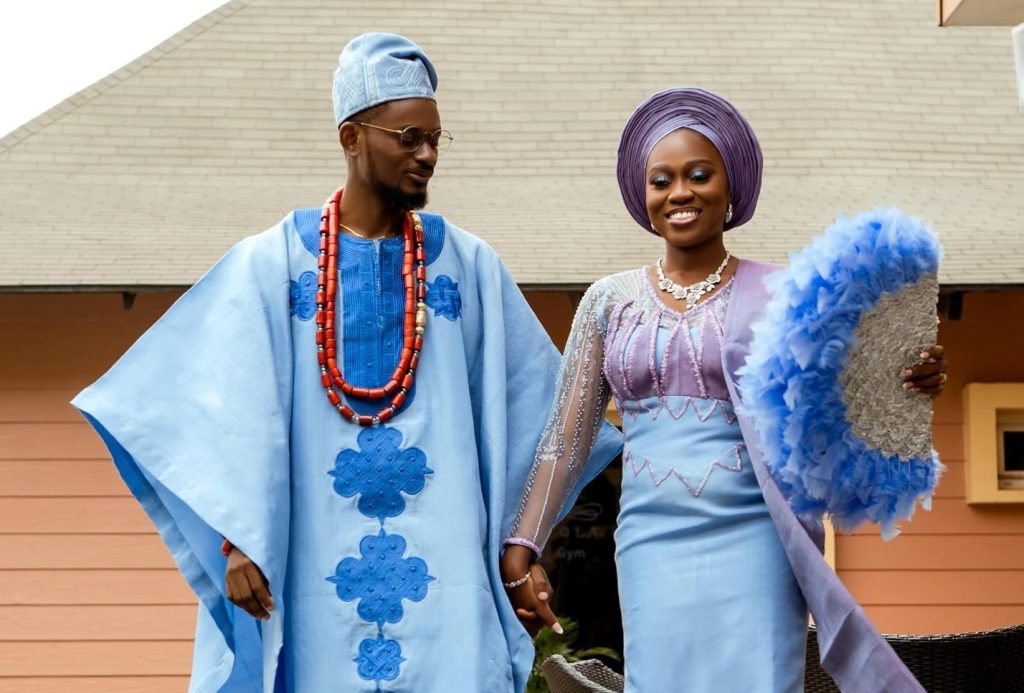
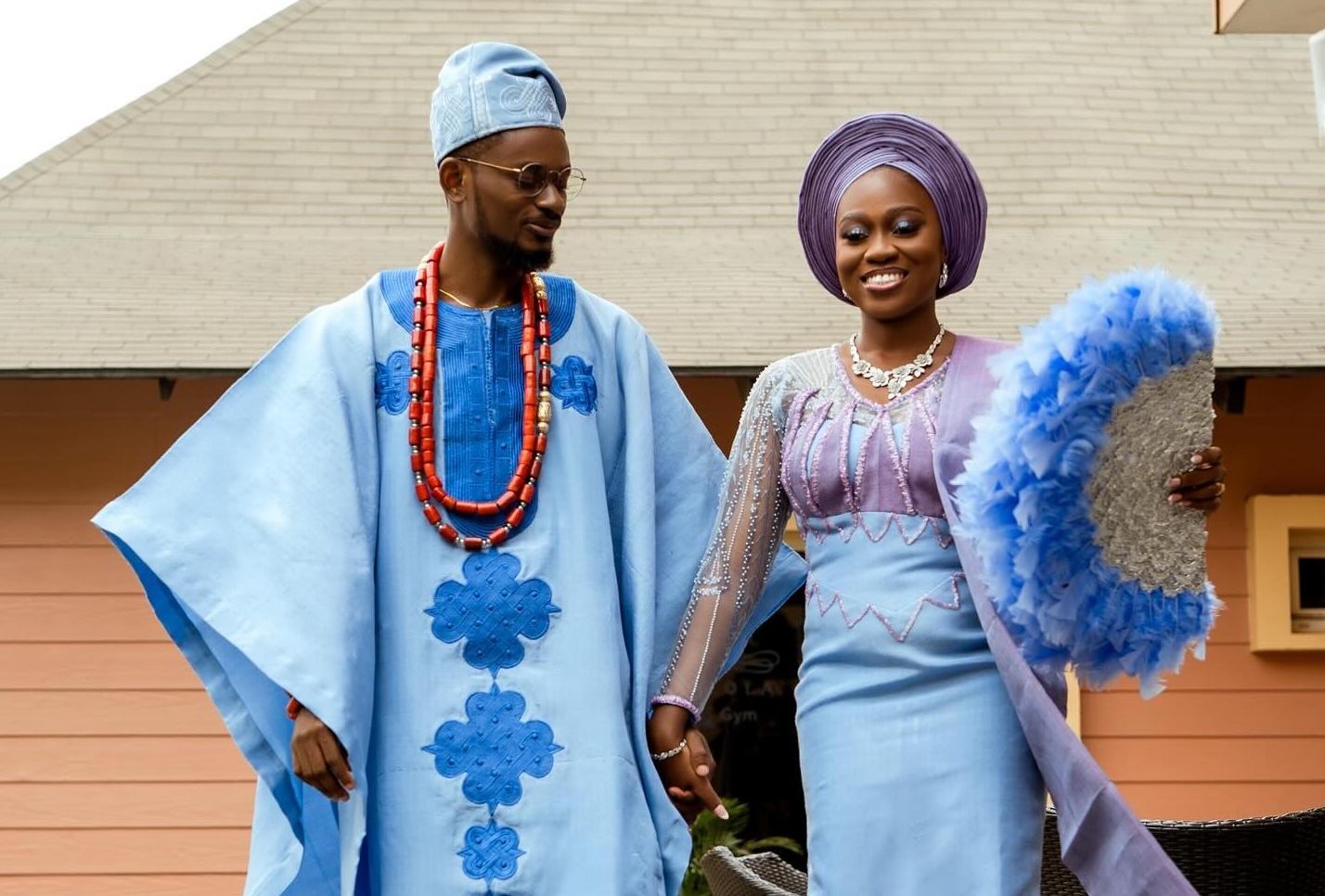
Nigerian fashion is a world of contrasts — rooted in tradition yet bursting with bold modernity. From the handwoven elegance of aso-oke to the vibrant street styles of Lagos and Abuja, Nigeria’s designers and tastemakers are shaping a global fashion identity.
🧵 Aso-Oke and Traditional Foundations
- Aso-Oke, meaning “top cloth” in Yoruba, remains a symbol of heritage.
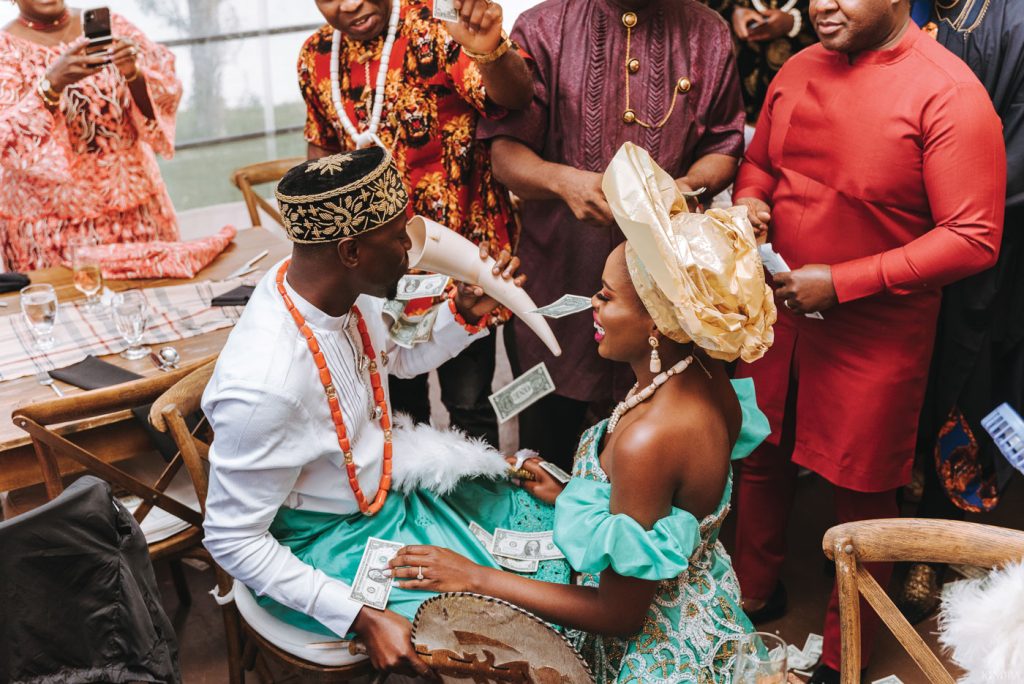
- Traditionally handwoven, it is worn at weddings, coronations, and cultural festivals.
- Similar textiles like ankara, adire, and george wrappers connect Nigeria’s diverse ethnic groups to their roots.
- These fabrics aren’t fading away — instead, they’re being reimagined by modern designers into gowns, suits, and accessories.
👟 Street Style: Lagos, the Fashion Capital
- Lagos is often called “Africa’s fashion heartbeat.”
- Streetwear brands like Orange Culture, I.N Official, and WafflesnCream push Afrocentric, gender-fluid, and youthful aesthetics.
- The #MadeInNigeria movement has inspired young people to blend Western trends with African fabrics.
- Sneakers with ankara accents, agbada with minimalist tailoring, and bold accessories define Nigerian street style today.
👑 Haute Couture and Global Runways
- Nigerian designers are making waves in Paris, London, and New York.
- Deola Sagoe revolutionized aso-oke into haute couture gowns.
- Lisa Folawiyo pioneered ankara beading and embellishment, giving wax prints luxury status.
- Mai Atafo is redefining Nigerian menswear and bridal couture.
- These designers prove that Nigerian fashion is not just local — it is globally competitive.
🌍 The Business of Fashion in Nigeria
- The Nigerian fashion industry is valued in the billions of dollars, employing thousands.
- Platforms like Lagos Fashion Week and GTCO Fashion Weekend showcase talent to the world.
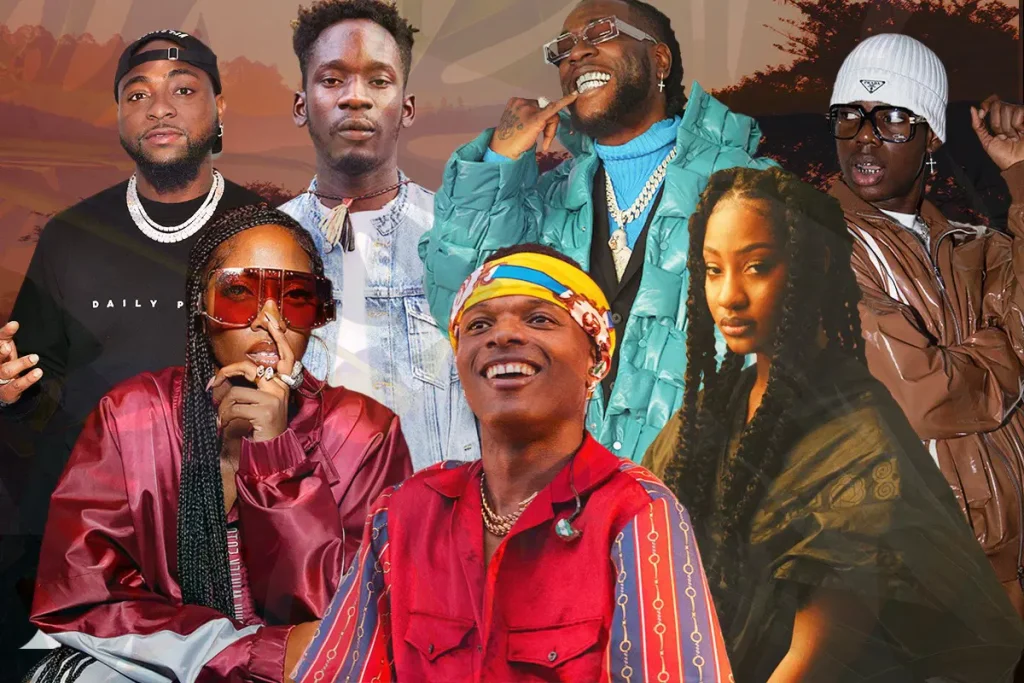
- Social media influencers and celebrities — from Tiwa Savage to Burna Boy — amplify Nigerian designers globally.
- Nigerian diaspora designers are also rising, fusing African aesthetics with Western tailoring.
🌟 Why Nigerian Fashion Matters
- Cultural Identity – Fashion as a celebration of heritage.
- Economic Growth – Jobs and exports from a booming industry.
- Global Influence – African prints and styles influencing major fashion houses.
- Youth Innovation – A creative wave pushing sustainability, inclusivity, and tech-driven fashion.
💬 Final Note
Beyond the aso-oke lies a fashion renaissance: bold, experimental, and unapologetically Nigerian. Whether it’s ankara at the office, agbada on the red carpet, or streetwear in Lekki, Nigeria’s fashion tells a story of resilience, pride, and global ambition.
🔥 Nigeria isn’t just following fashion trends — it’s setting them.










Related Posts
Stay Informed With the Latest & Most Important News
Previous Post
Next Post

Advertisement

Donations







Loading Next Post...


