Now Reading: The Trajectory of Nigerian Agriculture: From Historical Foundations to Future Imperatives
-
01
The Trajectory of Nigerian Agriculture: From Historical Foundations to Future Imperatives
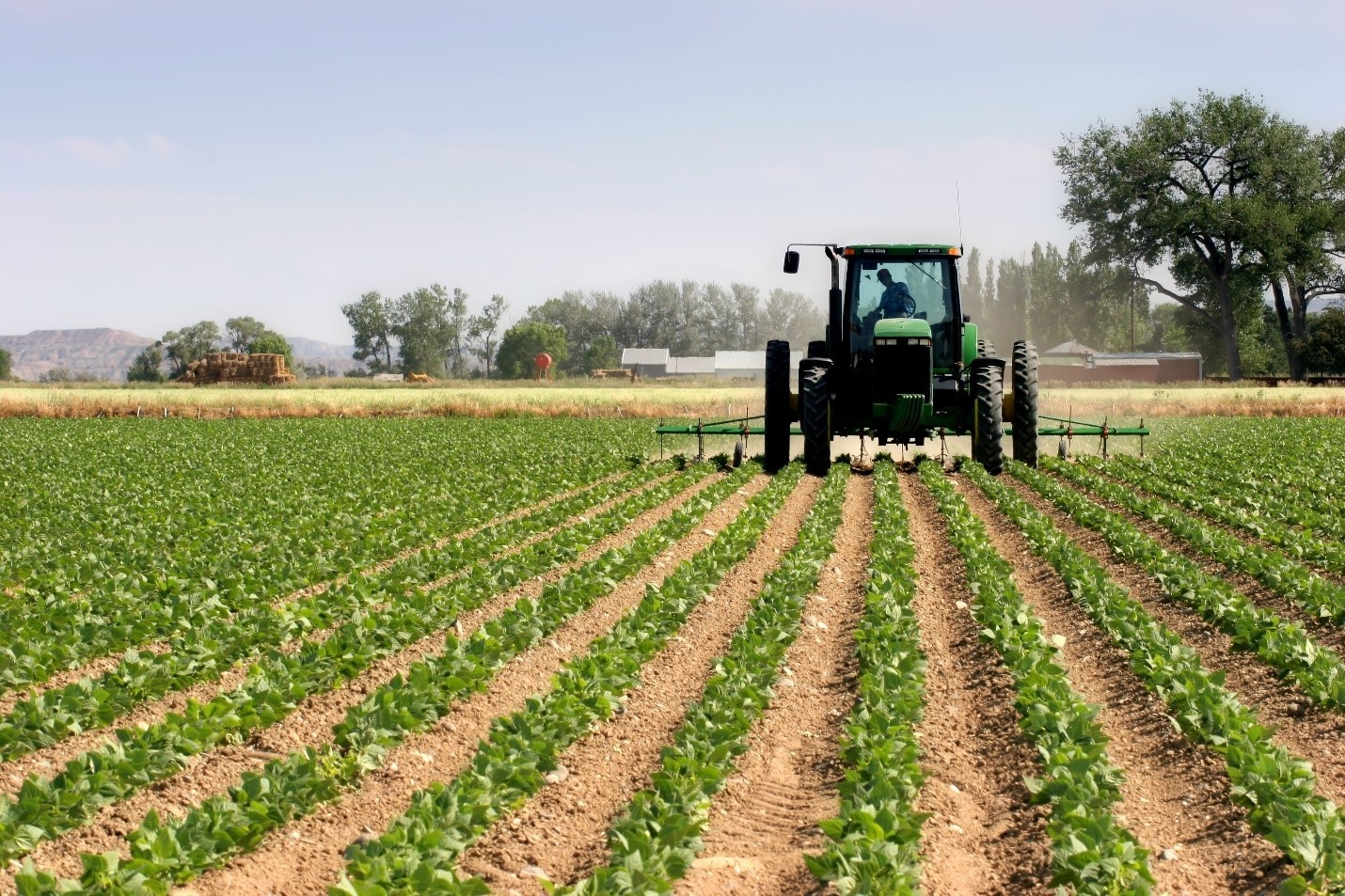
The Trajectory of Nigerian Agriculture: From Historical Foundations to Future Imperatives

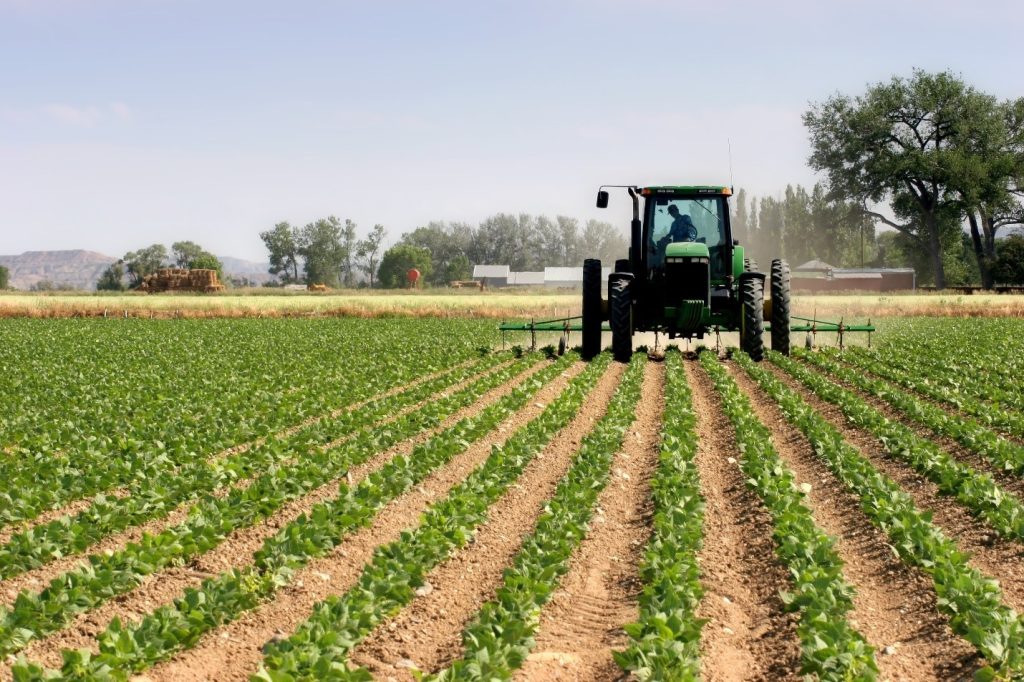
1. The Historical Underpinnings
1.1. The Roots of a Self-Sufficient System: Pre-Colonial Agriculture
Before the advent of colonial rule, Nigerian agriculture was characterized by a resilient, self-sufficient, and culturally embedded system. Farming was the primary occupation and main source of sustenance for the population, which featured a high degree of self-sufficiency in food supply. This period was marked by a deeply integrated relationship between agricultural practices and the social fabric of communities. The production system was predominantly subsistence-based, with households combining crop and livestock farming on a small scale for domestic consumption. While commercial farming existed, it was largely focused on local and regional trade, with a barter system often used for exchange.
Staple root crops, particularly yams, were at the core of this agricultural ethos. For the Igbo people, yam cultivation was not merely an economic activity but a central symbol of prestige and a fundamental part of their cosmology. The crop was so integral to their way of life that a shortage was a source of “genuine distress,” and its importance was ritualized through the celebration of the New Yam Festival, a thanksgiving dedicated to the earth goddess
(Ala). This cultural and spiritual significance ensured that farming was a widespread occupation, where a man who had to purchase yams from the market was ridiculed and regarded as lazy. Beyond yams, pre-colonial farmers cultivated a diverse range of crops, including African rice
(oriza glaberrina), Guinea corn (sorghum vulgare), millet, and a variety of cultivated bananas (unere). Legumes such as groundnuts and Bambara beans were also grown for both household consumption and sale.
A crucial element of this pre-colonial system was the active and integral role of women. Women were not relegated to a secondary status but played key roles in various aspects of the agricultural value chain, including planting, harvesting, processing, storage, and sales. They managed agricultural work and petty trading and often had their own farms. In some communities, women were the sole producers of food crops. The division of labor was along gender lines, but women’s control over food processing, mat weaving, and trade gave them significant economic and social influence. They were major figures in long-distance trade, with some accumulating enough wealth and influence to acquire prestigious titles. This collaborative, gender-balanced system was a foundational pillar of the pre-colonial economy, where agricultural sustainability was maintained through traditional customs, rituals, and taboos.
1.2. The Colonial Rupture: A Shift from Food to Cash Crops
The arrival of British colonial administration initiated a fundamental and deliberate structural reorientation of Nigeria’s agricultural sector. The colonial project was not a benevolent one; its primary objective was to secure a “cheap and steady supply of raw materials to British industries”. This led to a policy framework that actively discouraged the cultivation of food crops while encouraging the large-scale production of cash crops for export.
The institutional foundation for this new model was laid with the establishment of the Department of Botanical Research in 1893 and the British Cotton Growers Association acquiring land in Moor Plantation, Ibadan, in 1905 to grow cotton for British textile mills. Following the amalgamation of the Northern and Southern protectorates, a unified Department of Agriculture was formed in 1921 with the explicit goal of increasing export crop production for the British market. This policy created a new economic landscape dominated by regional specializations in cash crops: groundnut pyramids in the North, cocoa warehouses in the West, and palm produce stores in the East. The export of palm produce, for instance, surged from 66,000 tons in 1901 to 497,000 tons in 1951, while cocoa exports in 1938 amounted to 97,000 tons. This emphasis on export was directly detrimental to the production of staple food crops like rice, maize, and cassava for local consumption, a factor to which the present-day food crisis can be partly traced.
A particularly harmful aspect of colonial policy was the imposition of European gender norms that dismantled the balanced pre-colonial system. While colonial officials publicly stated the importance of improving agricultural production, their policies systematically favored men, fostering the notion of “male farmers” and “farmers’ wives” who were not seen as independent contributors. Despite women continuing to perform a majority of the labor in both food and cash crop production, colonial programs and innovations, such as agricultural courses in the 1920s, were exclusively devoted to boys. This formal exclusion of women from new technologies and education undermined their traditional roles and created a patriarchal economic framework that persists to this day, even though their labor remained critical to the expansion of production.
1.3. The Post-Independence Transition and the Petroleum-Induced Decline
At the time of independence in 1960, Nigeria was an agrarian powerhouse. Agriculture was the “undisputed mainstay” of the economy, contributing over 60 percent to the Gross Domestic Product (GDP) and employing more than 70 percent of the population. The sector was responsible for 85 percent of the nation’s foreign exchange earnings and fueled early infrastructural development. However, this dominance was short-lived.
The discovery of crude oil in the Niger Delta in the late 1950s progressively led to the neglect of the agricultural sector, as the nation’s economic focus shifted toward petroleum. The influx of oil revenues led to a systemic decay of rural communities and a decline in agricultural infrastructure, leaving the sector underdeveloped and unattractive. This period marked the beginning of a “resource curse,” where the overdependence on oil created a vulnerable economic monoculture and diminished Nigeria’s global market ranking for agro-produce. By the mid-20th century, the country had ceased to be a major exporter of groundnuts, cocoa, and palm oil, despite its past leadership in these commodities. The neglect of the sector’s infrastructure and the absence of consistent policy frameworks for its development created a widening gap between food demand and local supply, a deficit that began to be met through commercial food imports.
2. The Contemporary Agricultural Landscape
2.1. A Statistical Profile: From Dominance to Low Productivity
In the present day, Nigeria’s agricultural sector presents a compelling paradox of scale versus output. While it remains a significant contributor to the national economy, its performance is defined by low productivity. In the fourth quarter of 2024, the agriculture sector contributed 24.64 percent to the real GDP, with a full-year contribution of 20.97 percent. This is a substantial figure, and in constant 2010 prices, GDP from agriculture reached an all-time high of 5,785,472.38 NGN million in Q4 2024. However, this economic contribution is disproportionate to its role as the nation’s largest employer, engaging more than 36 percent of the labor force , or about 45 percent of the total labor force. The sector’s share of employment is significantly higher than its contribution to GDP, a clear indicator of its weak productivity level.
The backbone of this system is the smallholder farmer. More than 80 percent of Nigeria’s farmers are classified as smallholders, with an average landholding of about 1.0 to 3.0 hectares. These farmers are responsible for a remarkable 99 percent of the total crop output and produce 98 percent of the food consumed in the country, with the exception of wheat. The low productivity per worker is a direct consequence of this small-scale, labor-intensive model, which is often reliant on outdated tools like hoes and cutlasses, and lacks access to modern agricultural technology, quality inputs, and financing. The average yield per hectare for key crops is among the lowest in Africa. For instance, Nigeria’s average maize yield is 2 MT/ha, while Ethiopia’s is 3.8 MT/ha and South Africa’s is 6 MT/ha. Similarly, for tomatoes, Nigeria’s yield of 7 MT/ha pales in comparison to South Africa’s 86.8 MT/ha.
The disparity between the sector’s employment share and its GDP contribution reveals a foundational problem: the sector is a source of livelihood for a massive portion of the population, but it is not generating the kind of wealth or large-scale economic growth required to transform the nation. Improving the sector’s overall output will require not only increasing production but also enhancing the efficiency and productivity of the smallholder farmers who form its core. This necessitates a strategic focus on empowering these farmers with the resources and technologies needed to scale their operations and increase their yields.
Table 1: Comparative Agricultural Performance: Nigeria vs. Regional Peers
| Indicator | Nigeria | Ethiopia | South Africa |
| Agriculture GDP Share (Q4 2024) | 24.64% | 37.57% | GDP is diversified toward manufacturing, finance, and services |
| Agricultural Workforce (% of Population) | 11.5% (26.8 million workers) | 27.3% (36.2 million workers) | Workforce data not available |
| Average Maize Yield (MT/ha) | 2 MT | 3.8 MT | 6 MT |
| Average Tomato Yield (MT/ha) | 7 MT | Yield data not available | 86.8 MT |
| Average Groundnut Yield (MT/ha) | 1.2 MT | 2.4 MT | 1.6 MT |
| Agriculture Trade Bias | Heavy deficit with South Africa, exporting primary goods | Trade data not available | Heavily biased in its favor, exporting value-added products |
2.2. The Trade Paradox: A Net Importer Despite Domestic Strengths
Despite its vast arable land and status as a leading global producer of certain staple crops, Nigeria remains a significant net food importer. The nation is the world’s largest producer of cassava and yams, and Africa’s leading producer and consumer of rice. Yet, it is also one of the largest rice importers in the world. This paradox is a symptom of a systemic inability to meet the food demands of its rapidly growing population, which is currently estimated at over 200 million people.
This imbalance has led to a widening trade deficit. In 2019, Nigeria’s agricultural imports, dominated by wheat, rose to N959.5 billion, while agricultural exports declined to N269.8 billion, resulting in a deficit of N689.7 billion. The Ministry of Agriculture and Food Security has since stated that the country spends over $10 billion annually on food imports, including wheat, rice, sugar, and fish, while earning less than $400 million from agro-exports. This imbalance is further underscored by the fact that Nigeria accounts for less than 0.5 percent of global agro-exports, despite its vast agricultural potential and a young population.
This trade deficit is not a simple supply-demand issue. It is a multi-faceted problem stemming from the failure to add value to locally produced goods. The country focuses primarily on raw food production, neglecting the processing and manufacturing segments of the value chain. A comparative analysis with South Africa reveals this imbalance clearly. While South Africa’s exports to Nigeria are dominated by value-added products, Nigeria’s exports to South Africa are limited to primary agricultural commodities like cocoa and food industry residue. This structural weakness means that even when a sufficient volume of raw produce is cultivated, it is often not processed into higher-value products that can compete in international markets.
Table 2: Nigeria’s Agricultural Trade: A Quantitative Overview
| Indicator | Value/Details | Implications |
| Annual Food Import Bill | Over $10 billion | Exacerbates reliance on foreign markets, depletes foreign reserves, and threatens food sovereignty |
| Annual Agro-Export Earnings | Less than $400 million | Demonstrates a failure to leverage agricultural potential for foreign exchange and economic diversification |
| Agricultural Trade Deficit (2019) | N689.7 billion | Highlights the widening gap between imports and exports, indicating a systemic trade imbalance |
| Key Import Commodities | Wheat, rice, sugar, fish, tomato paste | Shows failure to achieve self-sufficiency in key staples despite being a major global producer |
| Key Export Commodities | Sesame, cashew nuts, cocoa | Indicates a focus on low-value, raw commodities rather than processed, value-added products |
3. Systemic Challenges and Bottlenecks
3.1. The Vicious Cycle of Insecurity and Food Scarcity
The most formidable threat to Nigerian agriculture today is the widespread insecurity that has created a self-reinforcing cycle of violence, low productivity, and food inflation. Banditry, kidnapping, and perennial farmer-herder conflicts have a direct, disproportionate impact on agricultural output. Evidence suggests that in the last five years, an estimated 2.6 million people from farming communities were displaced due to conflict in the North-West and North-Central regions. In the North-eastern part of the country, the Boko Haram insurgency has neutralized Borno State’s wheat production capacity, which accounts for 30 percent of the annual national consumption.
The fear of being attacked or kidnapped has forced many farmers to abandon their farmlands, reducing cultivated areas and depleting the available labor supply for farm activities. This has not only led to a decline in agricultural output but has also enabled the imposition of high seasonal levies by bandits on farming communities, a form of extortion to grant them access to their own land. Furthermore, high logistic costs, inflated by fuel hikes and levies from middlemen and touts, are added to the final selling price of food items, creating a direct link between insecurity and food price inflation. This suggests that even when food is produced, the breakdown of the value chain due to security threats makes it more expensive and less accessible to the average consumer. This systemic disruption directly undermines national food security and economic stability.
3.2. Climate Change, Environmental Stress, and Agricultural Vulnerability
For a country where agriculture is “largely rain-fed,” climate change represents a profound threat that intensifies existing vulnerabilities. Unpredictable weather patterns, including floods, droughts, and off-season rains, have become commonplace, directly impacting crop yields and livestock productivity.
The impacts are spatially heterogeneous, affecting different regions in distinct ways. In southern Nigeria, a projected increase in precipitation exacerbates the risk of flooding, which has been shown to destroy vast amounts of farmland. In 2024, for instance, floods wiped out about 700,000 hectares of farmland and destroyed more than 1 million tons of crops, enough to feed 13 million people for a year. This not only leads to crop losses but also causes waterlogging and soil erosion, which diminish soil fertility. Conversely, northern Nigeria is increasingly affected by prolonged droughts, which inhibit crop growth and lead to poor yields.
Beyond floods and droughts, climate change also contributes to the proliferation of pests and diseases that thrive in warmer temperatures. Pest infestations, such as ‘Tomato Ebola’ (Tuta absoluta), have ravaged large hectares of tomato farms, leading to soaring prices. Similarly, ginger blight disease caused a N12 billion loss for farmers in 2023. The destructive impact of climate change on Nigeria’s agricultural sector underscores the urgent need for adaptive strategies, such as the development of climate-resilient crop varieties and investment in irrigation systems to reduce the over-reliance on rain-fed farming.
3.3. Infrastructure Deficits and Value Chain Inefficiencies
A chronic lack of adequate infrastructure is a major bottleneck that prevents the agricultural sector from realizing its full potential, leading to massive post-harvest losses and supply chain inefficiencies. In Nigeria, post-harvest losses account for a staggering 30 to 50 percent of crops, especially perishable goods like fruits, vegetables, and tubers. For rice, the estimated post-harvest loss is 24.9 percent, resulting in a substantial loss of revenue for farmers. This is not merely a problem of waste; it means that a significant portion of labor and resources is invested in producing food that never reaches the consumer.
These losses are a direct result of several infrastructural deficits. Poor roads and limited access to transportation make it difficult for farmers to move their produce from rural areas to urban markets. Inadequate storage facilities and an unreliable power supply in rural communities make it nearly impossible to preserve perishable crops. The analysis shows that less than 10 percent of perishable foods in Nigeria are transported using cold storage systems, a key factor contributing to spoilage and economic losses. The lack of value addition—processing, packaging, and storage—means that Nigeria’s agricultural system is fundamentally inefficient. It creates a situation where increased production alone will not solve food security challenges because the food will simply spoil before it can be consumed. The existence of private initiatives like Ecotutu, which provides cold storage, indicates a market demand for such solutions, but the systemic challenges of an unstable power grid are too large for the private sector to solve alone.
3.4. Policy and Financial Constraints
While Nigerian governments have initiated numerous agricultural programs since independence, the sector has consistently suffered from inconsistent, poorly implemented policies and a lack of financial support. The primary policy challenge is not a shortage of ideas but a persistent failure of execution and resource allocation. For example, Nigeria has failed to meet its commitment under the Maputo and Kampala Declarations to allocate at least 10 percent of its annual national budget to agriculture. From 2015 to 2021, nominal agricultural spending remained at just 2 percent of federal expenditure, despite the sector’s importance.
This lack of government commitment is mirrored in the financial sector. Despite contributing significantly to GDP, agriculture receives the lowest credit allocation from banks, which are hesitant to lend to smallholder farmers who lack collateral or formal records. The Anchor Borrowers’ Programme (ABP) serves as a case study of this policy-to-practice disconnect. While the program had a positive impact on the beneficiaries, with beneficiaries achieving an additional yield of 105.82 kg/ha over non-beneficiaries , it has not scaled to significantly improve domestic production nationwide. The program’s limited reach is attributed to issues such as poor participation by women and the subversion of funds by middlemen, highlighting a failure to connect a well-intentioned policy with the on-the-ground realities of smallholder farming. This persistent gap between policy and reality, compounded by external economic shocks, continues to hinder the sector’s growth.
Table 3: The Interconnected Impacts of Systemic Challenges
| Challenge | Direct Agricultural Impact | Broader Socio-Economic Impact |
| Insecurity | Displacement of 2.6 million farmers; underutilization of resources; loss of 420,000 tons of wheat capacity | Escalation of food prices; increased poverty and food insecurity |
| Climate Change | Destruction of over 1 million tons of crops by floods; prolonged droughts; spread of pests like ‘Tomato Ebola’ | Reduced food production; decreased food security and economic strain |
| Infrastructure Deficit | 30-50% post-harvest loss of perishable crops; low adoption of modern technology | Wasted labor and resources; increased food prices; contributes to food shortages in urban areas |
| Policy/Financial Constraints | Budgetary allocation remains at 2% of federal expenditure; low access to credit for farmers | Inconsistent government support; limited investment and low productivity |
4. Strategic Pathways for a Resilient Future
4.1. The New Policy Frameworks: NATIP and Beyond
The current administration has signaled a renewed commitment to transforming Nigeria’s agricultural sector. In July 2023, President Bola Tinubu declared a “national emergency on food security,” a move that reflects a high-level recognition of the sector’s critical state. This declaration aims to transform agriculture into a modern, productive, and resilient engine of growth.
At the core of this new approach is the National Agricultural Technology and Innovation Policy (NATIP), a four-year blueprint designed to create a tech-enabled and youth-driven sector. The policy aims to promote mechanization, digital farming, commercialize research, and improve access to modern inputs. A flagship program under this initiative is the National Agricultural Growth Scheme’s Agro-Pocket Initiative, which targets the cultivation of 750,000 hectares for staple crops like rice, maize, and cassava by providing targeted support and input vouchers to farmers. Furthermore, a new National Agricultural Extension Policy is being rolled out to deliver demand-driven, ICT-enabled, and market-oriented services, moving away from outdated methods. The government also acknowledges the crucial link between security and food production, recognizing that addressing the root causes of violent extremism through integrated agricultural approaches is vital.
The effectiveness of these new policies is being monitored through initiatives like the 2025 Nigeria Food and Agriculture Policy Monitoring Review (PMR), launched in collaboration with the Food and Agriculture Organization (FAO). This review provides a comprehensive analysis of public expenditure and price incentives to inform policy implementation and investment planning for the 2026 budget. The success of this new policy framework will depend on sustained political will, transparent implementation, and a strategic focus on the millions of smallholder farmers who constitute the backbone of the sector.
4.2. Technology as a Catalyst for Transformation
Technology offers a powerful pathway to address many of the deeply entrenched challenges facing Nigerian agriculture. The sector’s vulnerability to climate change and low productivity can be mitigated through the adoption of modern, data-driven tools. Nigeria is already making strides in this area by leveraging satellite imagery, earth observation systems, and remote sensing tools.
A key example is the nation’s participation in the UN Trade and Development (UNCTAD) CropWatch Innovative Cooperation Programme, which provides a cloud system for real-time agro-climatic and agronomic assessments. This technology helps Nigerian officials and experts conduct independent fieldwork, collect data, and provide early warnings for pests and drought. For instance, armed with insights from the CropWatch bulletin, Nigerian officials were able to guide farmers to mitigate potential losses from delayed rainfall in northern Nigeria in early 2024.
Beyond satellite technology, the adoption of “smart farming” techniques holds immense potential. These innovations include the use of predictive tools, which utilize artificial intelligence and data analytics to help farmers foresee weather conditions, pest infestations, and crop yields, thereby minimizing risks. Other smart farming technologies, such as drones for crop health monitoring, automated irrigation systems, and GPS-guided machinery, can optimize resource use, reduce waste, and significantly increase yields. By embracing these technologies, Nigeria can help its farmers move beyond the limitations of a predominantly rain-fed and labor-intensive system, improving productivity and building greater resilience against environmental shocks.
4.3. Recommendations for Sustainable Growth
To build a resilient and prosperous agricultural sector, Nigeria must adopt a multi-pronged, long-term strategy that addresses the full value chain from farm to fork. The following recommendations are formulated based on the systemic issues and potential pathways identified in this analysis.
- Re-Engineer Agricultural Finance: The current collateral-based lending model is a major barrier for smallholder farmers. The government should work with the Central Bank and commercial banks to design new financial models, such as
Pay-as-Harvestschemes,Agro-Pocketinitiatives, andfactoring forward contracts. These models would finance cash flows rather than collateral, making credit more accessible to the millions of small-scale producers. The government must set clear lending targets for youth- and women-led agribusinesses to ensure inclusivity. - Sustain and Scale Infrastructure Investment: High post-harvest losses and logistical costs are a direct consequence of chronic infrastructure deficits. Sustained investment in essential infrastructure, including irrigation systems, rural road networks, and modern storage facilities, is crucial. A particular focus should be placed on cold storage for perishable goods to reduce the up to 50 percent post-harvest losses. The country’s tractor density of 0.27 hp/hectare is far below the FAO’s recommended 1.5 hp/hectare, underscoring the need for a national mechanization plan.
- Prioritize Technology Adoption and Dissemination: While advanced technologies like satellite imagery are valuable, their impact must reach the grassroots. The National Agricultural Technology and Innovation Policy (NATIP) should focus on localizing and disseminating these tools to smallholder farmers through ICT-enabled extension services. This includes providing training and capacity-strengthening workshops on climate-smart agriculture to empower farmers to adapt to environmental changes.
- Adopt a Small Farmer-Based, Strategic Approach: Nigeria’s immense agricultural potential is inextricably linked to its smallholder farmers. Drawing a lesson from China’s successful agricultural transformation, which was propelled by a “small farmer-based strategy,” Nigeria must recognize that these small units can be a dynamic force for development. This requires a comprehensive government approach that increases agricultural spending, invests in science and technology for farmers, and creates robust market linkages. The government’s role should be to provide a supportive environment that enables these farmers to increase productivity, specialize, and diversify.
- Develop the Agricultural Value Chain: To address the trade paradox, Nigeria must shift from being an exporter of primary goods to an exporter of value-added products. This requires a strategic focus on building agro-processing industries and supply chains that connect production to consumption. By focusing on value addition, Nigeria can reduce its reliance on imports, increase its export earnings, and create more jobs and wealth, thus transforming its agriculture from a subsistence occupation into a profitable commercial enterprise.
5. Conclusion
The trajectory of Nigerian agriculture is a story of immense potential undermined by historical distortion and contemporary challenges. From a self-sufficient, culturally integrated pre-colonial system, the sector was re-engineered by colonial policies to serve as a source of raw materials, a shift that created a long-term structural weakness and a profound dependence on a few key commodities. This vulnerability was later exacerbated by the oil boom, which led to the systemic neglect of the agricultural sector, causing its infrastructure to decay and its productivity to stagnate.
In the present day, agriculture remains a paradox: a major employer and a significant contributor to GDP, yet hampered by low productivity and a reliance on imports. The sector is besieged by a nexus of threats, including a vicious cycle of insecurity, the destructive effects of climate change, chronic infrastructure deficits, and a legacy of inconsistent policy and financial neglect. A significant portion of the labor and resources invested in farming is wasted due to post-harvest losses and inefficient supply chains, creating a scenario where increasing production alone will not solve the nation’s food security challenges.
Looking ahead, Nigeria stands at a critical juncture. The new policy frameworks, such as the National Agricultural Technology and Innovation Policy (NATIP), and the government’s declared national emergency on food security, signal a potential shift toward a more strategic, data-driven, and technology-focused approach. By leveraging innovations like satellite imagery and smart farming, the country can help its farmers mitigate risks and improve yields. However, the success of these initiatives hinges on their transparent and sustained implementation, particularly in bridging the gap between policy and practice. By learning from its past, addressing the interconnected challenges of insecurity, climate change, and infrastructure, and adopting a multi-pronged strategy that empowers its smallholder farmers, Nigeria can transform its agricultural sector from a source of vulnerability into a resilient and prosperous engine of economic diversification and national sovereignty.










Related Posts



Stay Informed With the Latest & Most Important News
Previous Post
Next Post


Advertisement