Now Reading: The city of Ilorin, Nigeria: History, Socio-economic Dynamics, and Strategic Outlook
-
01
The city of Ilorin, Nigeria: History, Socio-economic Dynamics, and Strategic Outlook
The city of Ilorin, Nigeria: History, Socio-economic Dynamics, and Strategic Outlook

Ilorin, the capital of Kwara State, Nigeria, holds a singular position as a pivotal “gateway city” that bridges the country’s northern and southern regions. This report provides a multi-dimensional analysis of the city, moving beyond its geographical location to explore the historical, socio-economic, and strategic factors that define its character and trajectory. Historically, Ilorin’s identity was forged by a profound transformation from a military outpost of the Yoruba Oyo Empire into a Fulani-led emirate aligned with the Sokoto Caliphate. This unique heritage is central to its modern role as a confluence of cultures and a hub of peaceful coexistence.
Socio-economically, Ilorin is experiencing accelerating population growth, driven by its reputation as a stable and affordable urban center and a robust educational hub. The state’s economy, with Ilorin at its core, is robust and growing, grounded in a strong agricultural base but increasingly diversified into agro-processing, manufacturing, and the service sector. This diversification is not accidental; it is underpinned by a proactive and forward-looking governance strategy, exemplified by the Ilorin Master Plan 2042. This plan directly addresses the challenges of rapid urbanization with sustainable, long-term solutions, providing a predictable and stable environment for future growth. The city’s rich cultural heritage, from its traditional crafts to the modern Durbar festival, is being strategically leveraged to promote community cohesion and attract tourism, further integrating culture into the city’s economic and social fabric. In essence, Ilorin is a city on a deliberate and well-managed path toward becoming a more connected, diversified, and sustainable urban center.
1. Introduction: Ilorin in a National Context
1.1. Background and Strategic Significance
The city of Ilorin, situated in Nigeria’s North-Central geopolitical zone, is a major urban center and the capital of Kwara State. Its geographic and historical position grants it a unique and strategic significance within the national landscape. Ilorin functions as a vital “gateway city,” serving as a critical nexus for commerce and culture between the predominantly Yoruba southern regions and the Hausa-Fulani-dominated northern territories. This central location is buttressed by a well-developed transportation network that includes roads, a railway, and an international airport. The city offers reliable road transport services to numerous states across the country, including Lagos, Ogun, Oyo, Kogi, and Kaduna, solidifying its role as a key logistical hub. This connectivity makes it an indispensable commercial and administrative center for the North-Central region, linking it to Nigeria’s other industrial and commercial hubs.
1.2. Methodological Framework and Scope
This report provides a comprehensive analysis of Ilorin by synthesizing information from a range of sources, including academic and historical documents, industry reports, and contemporary news articles. The approach is designed to move beyond a simple presentation of facts and figures to explore the causal relationships and underlying dynamics that shape the city. By examining the interplay between historical events, urban development trends, and socio-economic policies, the analysis seeks to uncover a nuanced understanding of Ilorin’s current state and future prospects. The report is structured to provide a holistic view, beginning with the city’s historical origins and progressing through its demographic profile, economic sectors, and strategic urban planning initiatives.
2. Historical and Cultural Foundations: The Making of a Confluence City
2.1. Origins and Contested Naming Narratives
The traditions surrounding the founding of Ilorin do not trace the city’s origins to a single autochthonous population. Instead, its establishment is linked to the migration of early settlers and seasonal visitors who found the area suitable for their activities. The identity of these founders is a subject of scholarly disagreement, with figures such as Ojo Isekuse, Eyinla, and Laderin commonly cited. This lack of a single, universally accepted founder is reflected in the city’s name, for which three main traditions exist: “Ilu Erin” (Land of Elephants), “Ilu Irin” (Land of Iron), and “Ilo Irin” (Sharpening Metal).
The most prevalent narrative, “Ilo Irin,” is tied to a deified stone, the “Okuta Ilo Irin,” located in the compound of one of the early settlers, Asaju. This stone was reportedly used by Ojo Isekuse to sharpen his metal tools. In the past, this stone was a site for sacrificial offerings and worship, which points to a distinct cultural and religious heritage that predates the city’s later, profound Islamic transformation. The existence of these multiple traditions underscores the city’s complex and layered origins.
2.2. The Oyo-Fulani Transition: A Pivotal Transformation
Ilorin was originally founded in the late 18th century as a military outpost of the Oyo Empire, a powerful Yoruba kingdom. The city’s history fundamentally changed in 1817 with a rebellion led by Afonja, the
Kakanfo (Field Marshal) of the Oyo army, who was the city’s administrator. Afonja was aided by Mallam Alimi, a Fulani scholar from Sokoto, along with his Fulani warriors and Hausa slaves. This alliance, however, proved precarious, as Afonja became increasingly dominated by the Muslim Fulani forces.
Following Afonja’s assassination, Alimi’s son, Abd al-Salam, became the new emir of Ilorin. This event marked a crucial turning point, as Abd al-Salam pledged allegiance to the Sokoto Caliphate around 1829, effectively severing Ilorin’s ties to the Yoruba empire and realigning its political and religious identity with the Islamic North. As a result, the city became a Muslim emirate, subjugated several Yoruba towns, and destroyed the Oyo capital, Oyo Ile, in 1837. This historical transition from a Yoruba vassal state to a Fulani-led emirate is a defining feature of Ilorin’s unique socio-political fabric. It provides the essential context for understanding the city’s contemporary position as a bridge between Nigeria’s northern and southern cultures and its designation as a confluence city.
2.3. Colonial Inclusion and Post-Colonial Identity
Ilorin, under its new emirate rule, fiercely resisted British colonial expansion throughout the 19th century. The city only recognized British supremacy in 1897 after being occupied by the army of the Royal Niger Company. In a decision that would have lasting administrative and cultural implications, Ilorin emirate was incorporated into the British Northern Nigeria Protectorate in 1900, making it the only part of Yorubaland to be included in that administrative region. This inclusion solidified its political ties to the North, a legacy that continued through the colonial and post-colonial periods. With the subdivision of the country’s regions in 1967, Ilorin became part of West Central, which was later renamed Kwara State.
2.4. A Confluence of Cultures
Today, Ilorin is aptly described as a “melting pot of cultures”. Its population is a diverse mix of ethnic groups, including Yoruba, Fulani, Hausa, Nupe, Bariba, and Kanuri, as well as foreign nationals. While Islam is the dominant religion, reflecting the city’s history as an emirate, Christianity and traditional religions are also widely practiced, especially in the more cosmopolitan areas that have seen significant immigration. The city’s traditional governance structure itself reflects this unique blend of heritage. Its traditional ruler is a Yoruba-speaking Fulani emir, and the system includes four Baloguns (Balogun Fulani, Balogun Gambari, Balogun Ajikobi, and Balogun Alanamu) who oversee different aspects of community life, from cultural affairs to military and economic matters.
3. Socio-Demographic Profile and Urban Dynamics
3.1. Population and Growth Trajectories
Ilorin’s urban dynamism is quantifiable through its rapid population growth. While the 2006 census recorded a population of 777,667, recent data from Macrotrends shows a marked acceleration in the city’s metro area population. The population increased from 1,000,000 in 2022 to 1,030,000 in 2023, representing a 3.0% growth. The population is projected to reach 1,100,000 in 2025, with an annual growth rate of 3.38%. This trend, where the annual growth rate is increasing over time, indicates a powerful and persistent pull factor. The city is becoming an increasingly attractive destination for internal migration, a success attributable to its stability, affordability, and growing economic and educational opportunities.
3.2. Demographics and Workforce
Ilorin and Kwara State are characterized by a young demographic profile, with approximately 65% of the population under the age of 35. This creates a large and energetic workforce. The state also boasts a relatively high literacy rate of about 82%, a figure supported by its numerous tertiary institutions. This combination of a young, literate population presents a significant opportunity for economic development. However, it also highlights a key challenge: the unemployment rate in Kwara State is around 31%. The state government is aware of this issue and has initiated skill development and entrepreneurship programs to help channel this underemployed labor into productive sectors, particularly agriculture, technology, and manufacturing.
3.3. Living Standards and Quality of Life
The city of Ilorin is known for its affordable standard of living and is described as a “warm community” with a unique charm. The quality of life is supported by continuous infrastructural development, including improved road networks and modern markets. The Ilorin Master Plan 2042 is a strategic effort to further enhance this, with a focus on creating “more serene and more liveable environments”. These developments, along with the city’s general sense of stability, are important factors in its appeal to students and migrants, contributing to its accelerating urban growth.
4. Economic Landscape: Sectors, Industries, and Opportunities
4.1. Macroeconomic Overview
Kwara State has a “robust and growing economy” with an estimated GDP of approximately ₦3.2 trillion (USD $4.1 billion). The state’s economy is strategically diversified, with a 4.2% annual growth rate that reflects a deliberate policy to improve the business environment and attract private investment. While agriculture is the foundational sector, contributing about 40% of the state’s GDP, the economic structure is built to integrate different sectors into a unified value chain.
4.2. Agriculture and Agro-processing
Ilorin is a major agricultural and commercial hub. It serves as a central market for a wide range of locally raised crops, including yams, cassava, corn, sorghum, millet, and rice, as well as livestock such as cattle and poultry. The Asa Dam is a critical piece of infrastructure that provides water for both potable consumption and irrigation, supporting food production and farming activities. The city is also home to a thriving agro-processing sector. Companies like Promakar Flour Mills specialize in cleaning and milling premium grains like sorghum, soybeans, and sesame seeds, which are then packaged for both domestic consumption and international export. This demonstrates a strategic move to add value to raw agricultural products, moving up the economic value chain and creating new markets.
4.3. Traditional and Modern Industries
Ilorin’s economy is a unique blend of traditional craftsmanship and modern manufacturing. Local handicrafts such as pottery, wood carving, leatherworking, and weaving are thriving industries that have been passed down through generations. Dada Pottery, in particular, is a renowned traditional craft practiced by women, and the city boasts Nigeria’s largest traditional pottery workshops. The production of
aso-oke, a hand-woven textile, is a significant industry, with the fabric being sold to traders and designers both locally and internationally. The state government has also capitalized on this cultural heritage by establishing the Kwara Garment Factory, a modern, state-of-the-art facility that produces a range of high-quality garments from school uniforms to sportswear. Other growing industries include iron-working, food processing, and the extraction of solid minerals like marble and tantalite, which are found in the region.
4.4. Service Sector Expansion
The city’s economic diversification extends into a growing service sector. Its status as an educational hub has led to the proliferation of education-related businesses, from private schools to vocational training centers. The hospitality and tourism industries are expanding with the growth of hotels, resorts, and restaurants. The transport and logistics sector is robust, leveraging Ilorin’s strategic location to facilitate the movement of goods and passengers across the country. Additionally, the city is seeing a surge in ICT and digital service firms, which are driving innovation and contributing to the modernization of the local economy.
5. Infrastructure and Strategic Urban Planning
5.1. Transportation and Connectivity
Ilorin’s central location is leveraged by its comprehensive transportation infrastructure. The state has a well-developed road network, with over 2,000 kilometers of paved roads connecting key commercial hubs. The city is also served by a railway and is home to the General Tunde Idiagbon International Airport (ILR). The airport, upgraded to international status in 2012, is a key asset. It has been re-designed as an international cargo airport, with ongoing improvements to its terminal and runway to handle more passengers and cargo. These investments in transportation are critical for linking Ilorin to Nigeria’s major cities and facilitating trade.
5.2. Utility Infrastructure
Significant public and private investments have been made in utility infrastructure to support Ilorin’s growing population and industries. The Asa Dam is a foundational asset, providing a reliable source of potable water for the community and irrigation for agricultural activities. Efforts are also underway to improve energy supply through initiatives like the Ganmo power station. These investments are crucial for ensuring the city can sustain its economic and population growth.
5.3. The Ilorin Master Plan 2042
The Kwara State Government commissioned the Ilorin Master Plan 2042 to guide the city’s sustainable growth and development. The plan was created in direct response to the challenges of rapid urbanization, including “unregulated and haphazard physical development, natural disasters such as flooding, and indiscriminate and unsustainable waste disposal practices”. The master plan represents a significant shift from reactive to proactive urban governance. It outlines a long-term strategic vision with provisions for sustainable waste management, the exploration of mass transit to ease transportation challenges, an improved road network, and the expansion of internet access.
The development process for the plan was highly participatory, involving extensive stakeholder and community engagement to ensure it would meet the aspirations of Ilorin’s people. This approach signals a commitment to structured and predictable development, which is a key factor for attracting and retaining both local and foreign investment. The plan’s focus on modern, sustainable solutions demonstrates that city leadership is committed to a sophisticated and well-managed growth trajectory.
6. The Education and Research Ecosystem: A Pillar of Economic Development
Ilorin’s reputation as a center for education is a cornerstone of its socio-economic profile. The city is home to several prestigious institutions, with the University of Ilorin (UNILORIN) being one of the most prominent in Nigeria, recognized for its academic excellence and stable calendar. Other notable institutions include Kwara State Polytechnic, Al-Hikmah University, and the Federal Agricultural and Rural Management Training Institute, which operates a research farm near the city.
This robust educational ecosystem has a profound economic impact. The large student population, many of whom come from other cities, fuels a thriving service sector that includes restaurants and leisure centers. More importantly, these institutions produce a continuous pipeline of skilled graduates who contribute directly to the state’s high literacy rate and provide the workforce necessary for the growing manufacturing and technology sectors. The education sector is not just an industry in itself; it is an enabler that supports the broader economic development strategy by building human capital.
7. Culture, Tourism, and Landmarks
7.1. Historic and Natural Landmarks
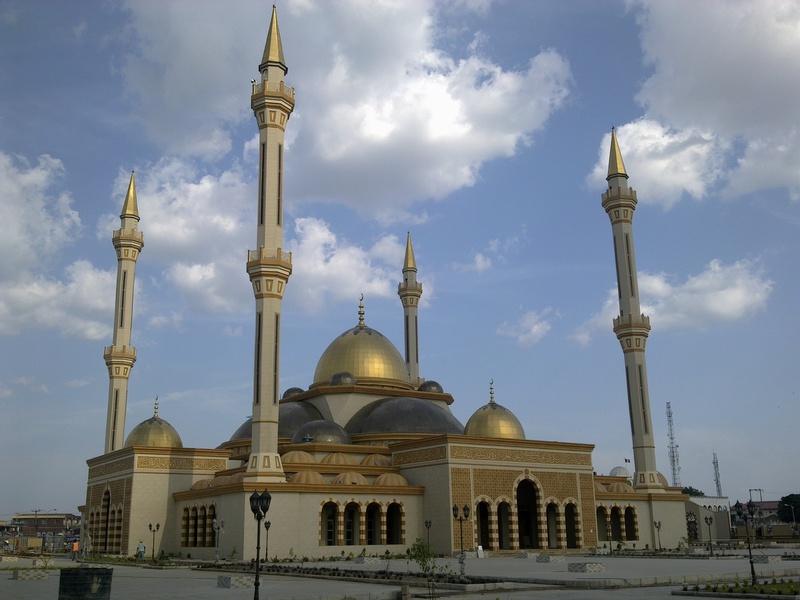
Ilorin is rich in cultural and natural attractions that reflect its unique history and geography. The Emir’s Palace is a central landmark that physically embodies the city’s transition from an Oyo outpost to a Sokoto Caliphate stronghold. Its architecture tells the story of this historical evolution. The Ilorin Central Mosque is another standout attraction, a prominent place of worship with a capacity of 20,000, and is considered one of Nigeria’s most beautiful mosques.
Natural landmarks are also abundant, including Sobi Hill, a popular landmark that is said to have provided protection during ancient inter-tribal wars. The nearby Esie Museum holds the largest collection of soapstone figures in Nigeria, making it a site of major cultural importance. The Asa Dam, in addition to its economic function, is a notable site.
7.2. The Grand Durbar Festival
The Ilorin Grand Durbar festival is a highlight of the city’s cultural calendar, taking place annually during Eid-al-Adha. While the Durbar has ancient roots in Hausa culture, the Ilorin version was formally inaugurated in 2017 with the explicit vision of leveraging the city’s diversity and fostering community harmony. The festival is not merely a preserved tradition; it is a modern, formalized event that serves as a tool for social cohesion and economic development. The festival is a spectacular display of horsemanship, traditional attire, music, and dance that attracts both locals and tourists. This strategic formalization and promotion of a cultural event showcases how Ilorin’s governance is consciously converting cultural heritage into economic and social capital.
7.3. Thriving Arts and Crafts
Traditional industries continue to flourish in Ilorin, providing both cultural value and economic stability. Dada Pottery is a renowned craft where women produce beautiful ceramic pieces using techniques passed down through generations. Similarly, the city’s textile industry is robust, with the production of
aso-oke, a hand-woven fabric that is significant for special occasions throughout Nigeria. These industries are not only integral to the city’s cultural heritage but also a source of income for local artisans and a component of the local economy.
8. Strategic Outlook and Recommendations
8.1. SWOT Analysis of Ilorin
The city of Ilorin possesses a unique set of strengths, weaknesses, opportunities, and threats that define its strategic outlook.
- Strengths: Ilorin’s central geographic location provides a strategic advantage as a gateway city. Its economy is diversified, with a strong foundation in agriculture and growing sectors in manufacturing, trade, and services. It has a young and literate population, supported by a robust educational ecosystem, and a rich cultural heritage that is a source of both identity and economic value.
- Weaknesses: The city faces challenges typical of rapid urbanization, including high unemployment, a reliance on the agricultural sector for a significant portion of its GDP, and issues related to unregulated physical development and waste disposal.
- Opportunities: The proactive implementation of the Ilorin Master Plan 2042 offers a significant opportunity to address urban challenges and guide sustainable growth. Furthermore, there is untapped potential in the solid minerals sector and an opportunity to further leverage the educational ecosystem to drive innovation in technology and manufacturing.
- Threats: The city’s rapid growth, if not managed effectively, could exacerbate issues like flooding and haphazard development. Economic volatility, particularly inflation, also poses a threat to the standard of living.
8.2. Actionable Recommendations
Based on this analysis, the following actionable recommendations are proposed for policymakers and investors to foster sustainable development and capitalize on Ilorin’s potential:
- Foster Public-Private Partnerships: Encourage partnerships to accelerate the implementation of the Ilorin Master Plan 2042, particularly in the areas of mass transit, sustainable waste management, and the expansion of digital infrastructure.
- Targeted Investment in Agro-processing and Technology: Prioritize investment in businesses that add value to local agricultural products, such as grain milling, food processing, and garment production. Concurrently, a focused effort to support ICT and digital service firms can help absorb the young, literate workforce and diversify the economy away from its primary reliance on agriculture.
- Professionalize the Tourism Sector: Continue to strategically promote cultural events like the Durbar festival and develop key landmarks to attract both domestic and international visitors. This could include creating guided tours, providing training for local hospitality staff, and supporting the commercialization of traditional handicrafts.
9. Conclusion: Ilorin’s Trajectory
Ilorin’s trajectory is one of deliberate and strategic growth. The city’s unique historical origins—its transition from a Yoruba outpost to a Fulani-led emirate—created a cultural confluence that defines its identity today. This rich heritage is now being harmonized with a forward-looking economic and urban development strategy. The city is leveraging its strategic location and a young, literate workforce to build a diversified economy. The implementation of the Ilorin Master Plan 2042 demonstrates a commitment to sustainable growth that addresses the inherent challenges of rapid urbanization. This proactive approach, coupled with a concerted effort to leverage culture for community cohesion and economic gain, positions Ilorin as a promising urban center with a clear and well-managed path toward becoming a more diversified, connected, and prosperous city in Nigeria’s future.










Related Posts

Stay Informed With the Latest & Most Important News
Previous Post
Next Post

Advertisement