
Now Reading: Epe Lagoon: The Fishing Heartbeat of Lagos State
1
-
01
Epe Lagoon: The Fishing Heartbeat of Lagos State
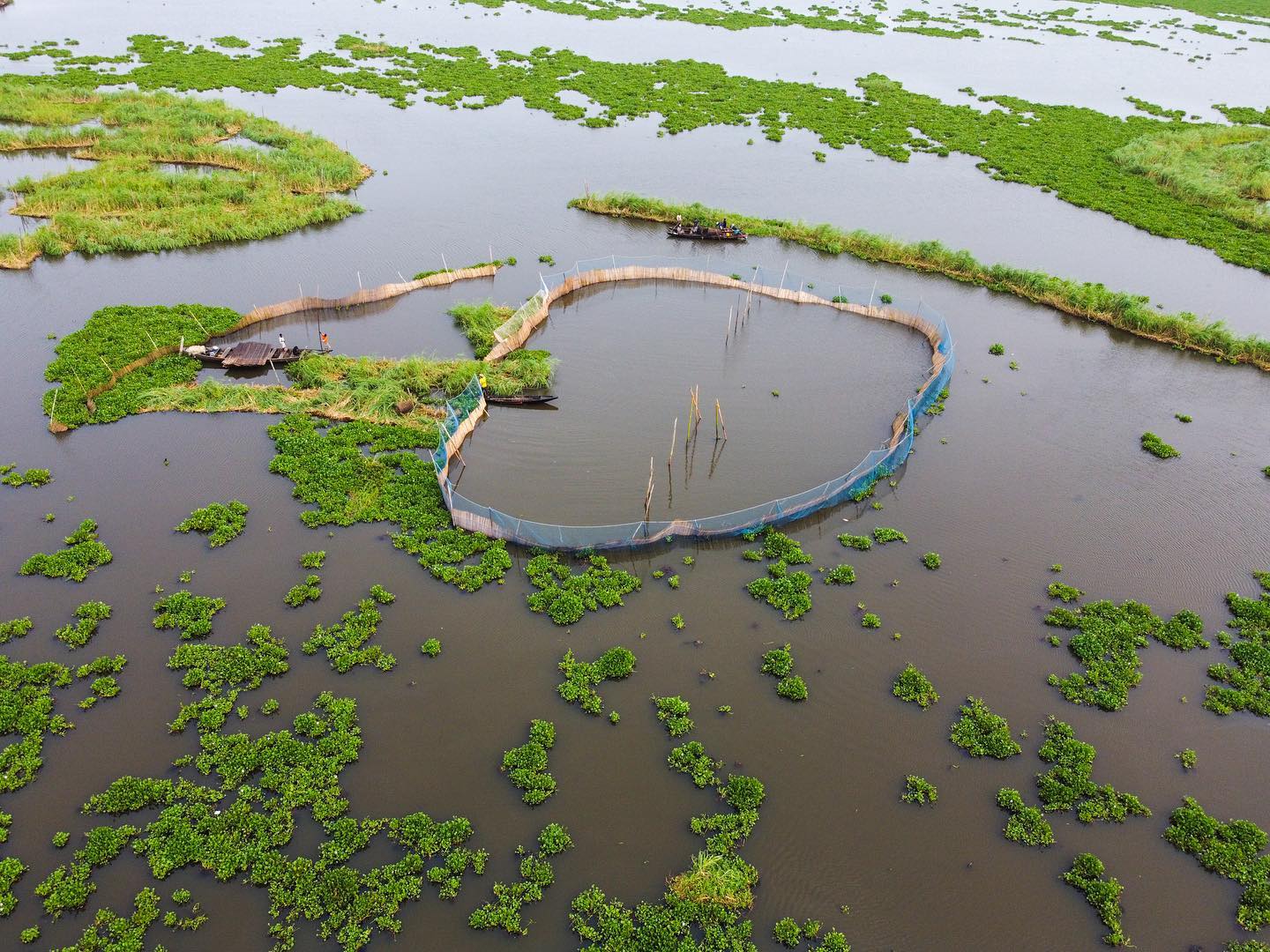

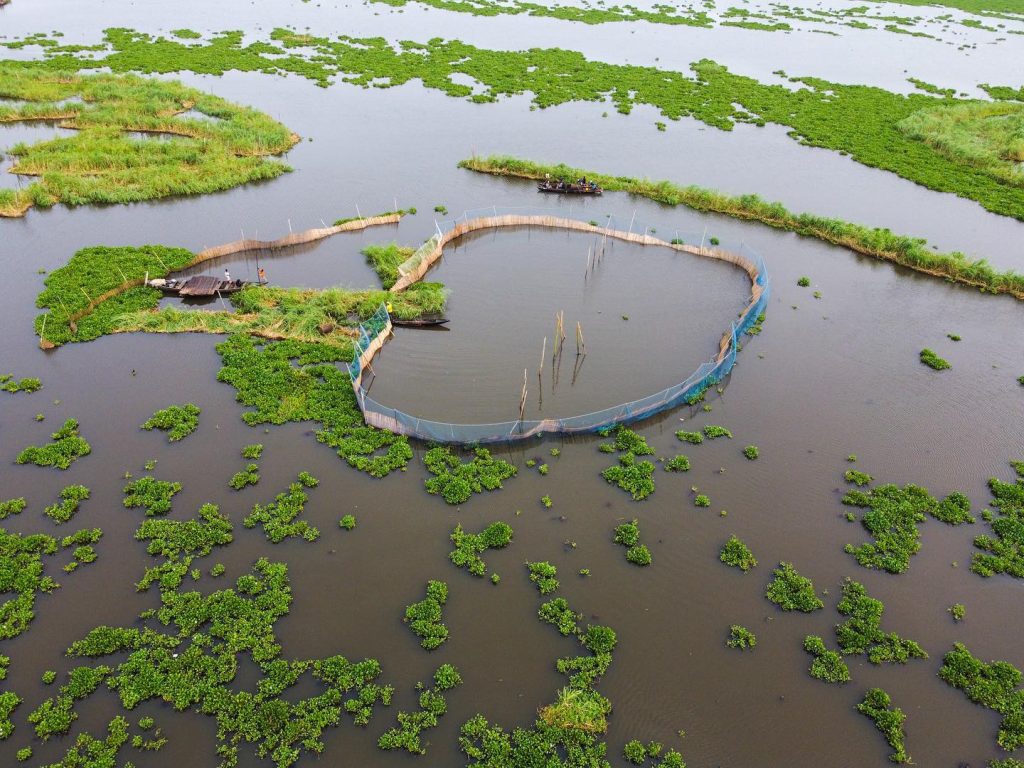
The Epe Lagoon, located in the eastern part of Lagos State, is one of Nigeria’s most productive and culturally vibrant water bodies. Situated near the town of Epe, this lagoon is famous for its thriving fishing economy, bustling markets, and beautiful landscapes. Though smaller than the Lagos and Lekki lagoons, it plays a central role in the daily lives of the communities that surround it.
📌 Geography and Features
- Location: Lies adjacent to the town of Epe in Lagos State.
- Size: Medium-sized lagoon, connected to Lekki Lagoon and other creeks.
- Ecosystem: Surrounded by wetlands, mangroves, and fishing villages.
- Hydrology: Serves as a freshwater–saltwater mix (brackish water), influenced by rainfall and tides.
📌 Economic Importance
1. Fishing
- The Epe Lagoon is one of Lagos State’s busiest fishing hubs.
- Supplies fish, prawns, crabs, and crayfish to Lagos, Ogun, and other parts of southern Nigeria.
- The famous Epe Fish Market sits on its banks, attracting traders and tourists daily.
2. Agriculture
- Surrounding communities practice fishing-farming integration — combining crop cultivation with lagoon-based fishing.
- Cassava, maize, and vegetables are widely cultivated.
3. Transport
- Boats and canoes remain a major means of moving people and goods across the lagoon.
- Helps connect rural communities with Epe town and other markets.
4. Tourism
- Increasingly becoming a tourist attraction, with visitors coming for the fish market, boat rides, and lagoon-side resorts.
- Potential for eco-tourism is high, especially around mangroves and bird habitats.
📌 Cultural Significance
- The lagoon is central to the identity of the Epe people, a Yoruba sub-group.
- Fishing festivals and boat regattas are common cultural events.
- Folklore connects the lagoon with water spirits and protective deities.
- The Epe Fish Market doubles as a cultural hub, where bargaining and communal trade reflect traditional Yoruba hospitality.
📌 Environmental Challenges
- Overfishing: Increased demand threatens fish stocks.
- Pollution: Waste from markets and surrounding communities affects water quality.
- Encroachment: Real estate and urban expansion threaten natural wetlands.
- Climate Change: Flooding and rising water levels pose risks to communities.
📌 Conservation and Future Opportunities
- Promote sustainable fishing practices with modern methods.
- Develop eco-tourism projects (lagoon tours, birdwatching, cultural festivals).
- Launch community-led clean-up campaigns to reduce pollution.
- Integrate Epe Lagoon into Lagos State’s wider environmental management plans.
📌 Attractions Around Epe Lagoon
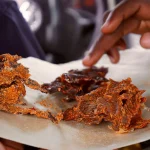
- Epe Fish Market 🐟 – a must-see spot, famous for live and smoked fish trading.
- Epe Mangroves 🌱 – great for eco-tours and canoe rides.
- Epe Town 🏘️ – rich in Yoruba culture, with traditional festivals and crafts.
- Lekki Peninsula 🌊 – nearby beaches and resorts accessible from Epe.
✅ Conclusion
The Epe Lagoon is more than a water body — it is the fishing heartbeat of Lagos State. From its thriving fish markets to its cultural festivals, it reflects the deep bond between the people and their environment. With sustainable management, Epe Lagoon can continue to serve as both an economic powerhouse and cultural landmark for generations to come.










Related Posts
Stay Informed With the Latest & Most Important News
Previous Post
Next Post
Advertisement

Donations






Loading Next Post...


