
Now Reading: Chukwuemeka Odumegwu Ojukwu – The Biafran Leader
1
-
01
Chukwuemeka Odumegwu Ojukwu – The Biafran Leader
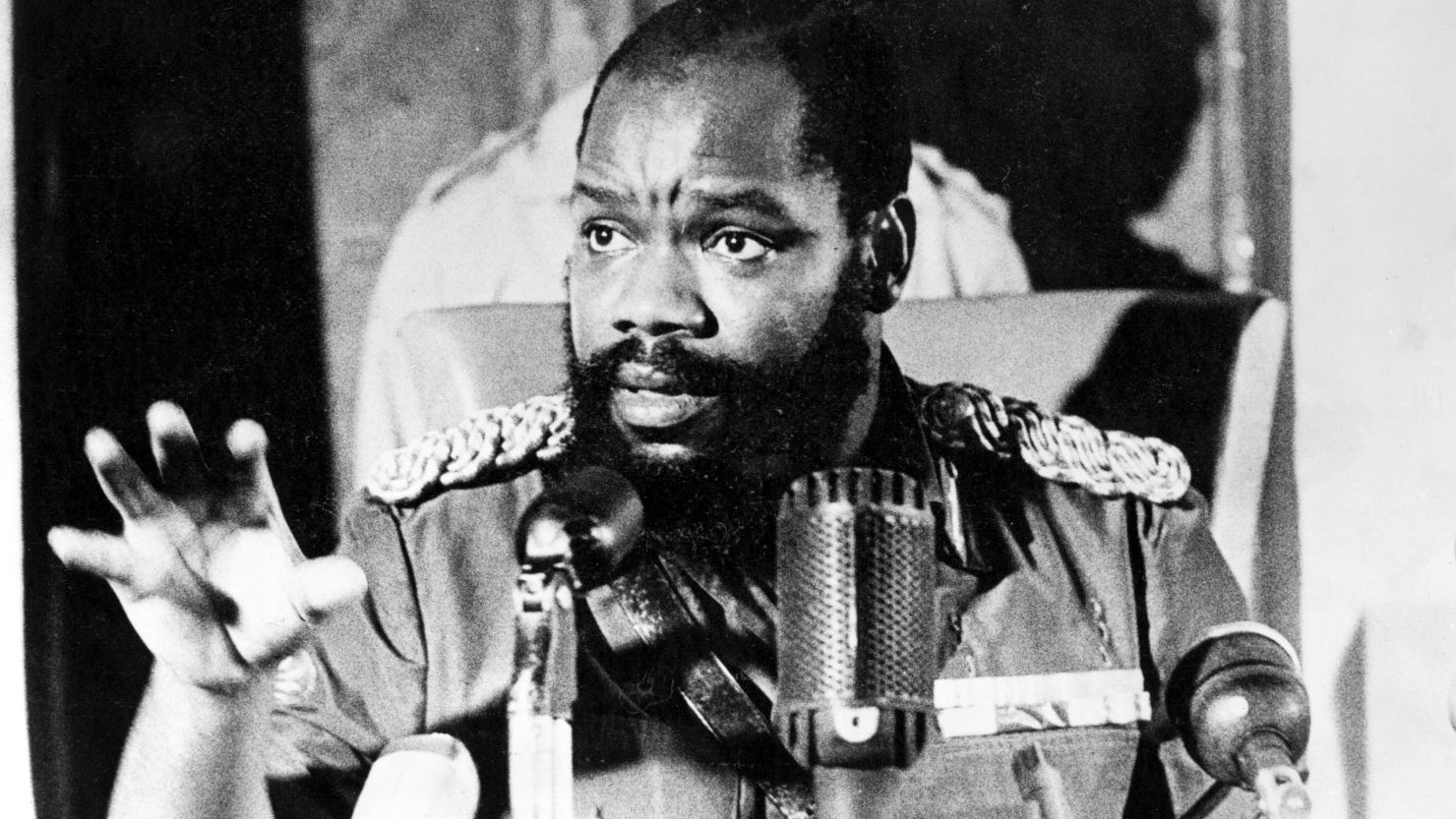

(Part of the Nigeria234.com Civil War Series (1966–1970))
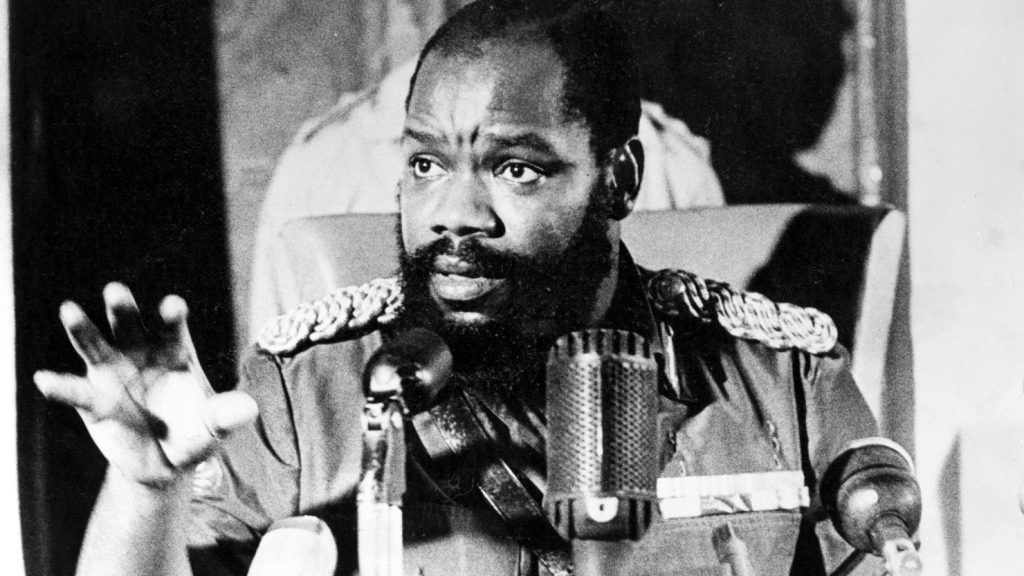
📍 Quick Facts
- Full Name: Chukwuemeka Odumegwu Ojukwu
- Born: November 4, 1933 – Zungeru, Niger State, Nigeria 🇳🇬
- Died: November 26, 2011 – London, United Kingdom
- Profession: Army Officer, Politician, Biafran Head of State
- Known For: Declaring the Republic of Biafra (1967) and leading it during the Nigerian Civil War.
👶 Early Life & Education
- Son of Sir Louis Ojukwu, one of Nigeria’s wealthiest businessmen at the time.
- Grew up in privilege, but pursued military service to prove himself.
- Studied at Epsom College and later at Oxford University, UK, where he read History.
- Returned to Nigeria and joined the Nigerian Army in 1957, one of the few university graduates in the officer corps.
🎖️ Military Career
- Rose rapidly in the army, becoming Military Governor of Eastern Nigeria in 1966, after the coups and counter-coups.
- Faced the challenge of protecting Eastern Nigerians after massacres of Igbos in the North.
- Attempted peace negotiations with the Federal Government — notably the Aburi Accord (1967) in Ghana — but talks collapsed.
⚔️ Leader of Biafra
- On May 30, 1967, Ojukwu declared the independence of the Republic of Biafra.
- Served as Biafra’s Head of State and Commander-in-Chief throughout the 30-month war.
- Advocated that Biafra’s secession was necessary to protect the lives and dignity of Easterners.
- Became the symbol of Biafran resistance, admired by his followers but criticized by others for prolonging the war.
🌍 Exile & Later Life
- After Biafra’s surrender in 1970, Ojukwu fled into exile in Côte d’Ivoire, where he lived until 1982.
- Granted a state pardon by President Shehu Shagari, he returned to Nigeria and entered politics.
- Ran for president in 1983 under the Nigerian People’s Party (NPP).
- Later became a prominent figure in the All Progressives Grand Alliance (APGA), continuing his role as a political elder in Igbo affairs.
🏆 Legacy
- To many Igbos, Ojukwu is still seen as the hero who defended his people during their darkest hour.
- To others, his leadership remains controversial — admired for courage, but criticized for failing to prevent mass starvation and loss of life.
- Regardless of perspective, Ojukwu’s name is forever tied to the struggle for Biafra.
💬 Famous Quote
“It was a war of survival. I did not start it, but I had to lead my people through it.”
🌟 Conclusion
Chukwuemeka Odumegwu Ojukwu remains one of Nigeria’s most iconic and polarizing leaders. His decision to lead Biafra into secession altered the course of Nigeria’s history forever. More than 50 years later, his legacy still stirs debate, pride, and pain.










Related Posts


Stay Informed With the Latest & Most Important News
Previous Post
Next Post

Advertisement

Donations







Loading Next Post...


