Now Reading: List of Ethnic Groups in Nigeria
-
01
List of Ethnic Groups in Nigeria


Nigeria is a nation of profound ethno-linguistic and cultural diversity, home to an estimated over 250 distinct ethnic groups and more than 500 indigenous languages. This rich mosaic is a defining feature of the country, yet it also constitutes the primary context for its complex social, political, and economic dynamics. While the term “Nigerian” denotes a shared civic nationality, the country’s socio-political landscape is largely defined by the prominence of three major ethnic groups—the Hausa-Fulani, Yoruba, and Igbo—who collectively represent a significant portion of the total population. Their historical trajectories, pre-colonial political structures, and subsequent interactions with colonial powers have fundamentally shaped the modern state.
This report provides a multi-dimensional analysis of Nigeria’s ethnic composition. It begins by presenting a comprehensive index of documented ethnic groups and their geographic and linguistic affiliations, fulfilling the core request for an extensive list. It then delves into in-depth profiles of the three major groups, revealing how their distinct histories of centralized empires, urban city-states, and decentralized republics have influenced their identities and their roles in the modern state. The analysis demonstrates that a common linguistic ancestry does not always dictate political and cultural alliances, as seen in the unique case of the Hausa-Fulani. Finally, the report examines how colonial administrative policies, such as the “Sabon Gari” system and the principle of Indirect Rule, have left an enduring legacy of division, which modern governance mechanisms, like the Federal Character Principle, have struggled to resolve effectively.
The Nigerian Ethnic Mosaic: A Foundational Overview
Nigeria’s population, the largest in Africa, is a complex aggregation of numerous nationalities and cultures. The country’s ethnic makeup is often framed around the “major-minority” dichotomy, which highlights the socio-political dominance of the three largest groups. The Hausa-Fulani are predominant in the North, the Yoruba are concentrated in the Southwest, and the Igbo are found primarily in the Southeast. These three groups, each accounting for approximately one-fifth of the population, collectively represent about 60% of Nigeria’s total demographics.
Beyond these three pillars, Nigeria is home to a vast number of other influential ethnic groups, often referred to as “minorities,” which are found throughout the country, particularly in the Middle Belt and coastal regions. These include the Ijaw in the Niger Delta, the Tiv in the Middle Belt, the Kanuri in the Northeast, and the Edo, Efik, and Ibibio in the southern parts of the country. The significant mobility of Nigerians due to economic factors has led to a considerable intermixing of these groups, particularly within urban centers, creating a dynamic and fluid social environment.
The country’s linguistic diversity mirrors its ethnic complexity, with English serving as the official lingua franca, a remnant of British colonial history. However, major indigenous languages such as Hausa, Yoruba, and Igbo are widely spoken and used in government, reflecting their large populations.
The Foundational Data: A Comprehensive Index of Nigerian Ethnic Groups
To address the user’s request for an extensive list, the table below compiles a comprehensive index of ethnic groups documented in the research material, noting their primary geographic locations by state and their linguistic affiliations. This data serves to illustrate the sheer scale and geographic concentration of Nigeria’s ethnic landscape. The table reveals a notable density of groups, particularly in the Middle Belt region, where multiple ethnicities often share state boundaries. The linguistic data further adds a critical dimension, showing that ethnic identity in Nigeria is not always a reflection of a shared linguistic ancestry, a point explored in detail later in this report.
| Name of Ethnic Group | State(s) of Primary Concentration | Linguistic Affiliation |
| Abayon | Cross River State | Niger-Congo, Benue-Congo, Bendi |
| Abua (Odual) | Rivers State | Niger-Congo, Benue-Congo, Cross River |
| Achipa (Achipawa) | Kebbi State | Niger-Congo, Benue-Congo, Kainji |
| Adim | Cross River State | Niger-Congo, Benue-Congo, Cross River |
| Adun | Cross River State | Niger-Congo, Benue-Congo, Cross River |
| Affade | Yobe State | Afro-Asiatic, Chadic, West Chadic |
| Afizere | Plateau State | Afro-Asiatic, Chadic, West Chadic |
| Afo (Eloyi) | Nasarawa State, Plateau State | Niger-Congo, Benue-Congo, Plateau |
| Agbo | Cross River State | Niger-Congo, Benue-Congo, Cross River |
| Akaju-Ndem (Akajuk) | Cross River State | Niger-Congo, Benue-Congo, Cross River |
| Akweya-Yachi | Benue State | Niger-Congo, Benue-Congo, Idomoid |
| Alago (Arago) | Nasarawa State, Plateau State | Niger-Congo, Benue-Congo, Idomoid |
| Amo | Plateau State | Niger-Congo, Benue-Congo, Plateau |
| Anaguta | Plateau State | Niger-Congo, Benue-Congo, Plateau |
| Anang | Akwa Ibom State | Niger-Congo, Benue-Congo, Cross River |
| Andoni | Akwa Ibom State, Rivers State | Niger-Congo, Benue-Congo, Cross River |
| Angas | Bauchi State, Plateau State | Afro-Asiatic, Chadic, West Chadic |
| Ankwei | Plateau State | Afro-Asiatic, Chadic, West Chadic |
| Anyima | Cross River State | Niger-Congo, Benue-Congo, Cross River |
| Atyap (Kataf) | Kaduna State | Niger-Congo, Benue-Congo, Plateau |
| Auyoka (Sub-Hausa) | Jigawa State | Afro-Asiatic, Chadic, West Chadic |
| Awori | Lagos State, Ogun State | Niger-Congo, Yoruboid |
| Ayu | Kaduna State | Niger-Congo, Benue-Congo, Plateau |
| Babur (Pabir)/Bura | Adamawa State, Borno State, Yobe State | Afro-Asiatic, Chadic, Biu-Mandara |
| Bachama | Adamawa State | Afro-Asiatic, Chadic, Biu-Mandara |
| Bachere | Cross River State | Niger-Congo, Benue-Congo, Cross River |
| Bada | Plateau State | Afro-Asiatic, Chadic, West Chadic |
| Bade | Yobe State | Afro-Asiatic, Chadic, West Chadic |
| Baggara Arabs | Borno State | Afro-Asiatic, Semitic, Arabic |
| Bahumono | Cross River State | Niger-Congo, Benue-Congo, Cross River |
| Bakulung | Taraba State | Niger-Congo, Benue-Congo, Plateau |
| Bali | Taraba State | Niger-Congo, Benue-Congo, Adamawa |
| Bambora (Bambarawa) | Bauchi State | Afro-Asiatic, Chadic, West Chadic |
| Bambuko | Taraba State | Niger-Congo, Benue-Congo, Adamawa |
| Banda (Bandawa) | Taraba State | Niger-Congo, Adamawa-Ubangian |
| Banka (Bankalawa) | Bauchi State | Afro-Asiatic, Chadic, West Chadic |
| Banso (Panso) | Adamawa State | Niger-Congo, Benue-Congo, Adamawa |
| Bara (Barawa) | Bauchi State | Afro-Asiatic, Chadic, West Chadic |
| Barke | Bauchi State | Afro-Asiatic, Chadic, West Chadic |
| Baruba (Barba/Batonu) | Kwara State, Niger State | Niger-Congo, Gur |
| Bashiri (Bashirawa) | Plateau State | Afro-Asiatic, Chadic, West Chadic |
| Bassa | Kaduna State, Kogi State, Niger State, Plateau State | Niger-Congo, Benue-Congo, Kainji |
| Batta | Adamawa State | Afro-Asiatic, Chadic, Biu-Mandara |
| Baushi | Niger State | Niger-Congo, Benue-Congo, Kainji |
| Baya | Adamawa State | Niger-Congo, Adamawa-Ubangian |
| Bekwarra | Cross River | Niger-Congo, Benue-Congo, Cross River |
| Bele (Buli, Belewa) | Bauchi State | Afro-Asiatic, Chadic, West Chadic |
| Berom (Birom) | Plateau State | Niger-Congo, Benue-Congo, Plateau |
| Betso (Bete) | Taraba State | Niger-Congo, Benue-Congo, Adamawa |
| Bette | Cross River State | Niger-Congo, Benue-Congo, Cross River |
| Bilei | Adamawa State | Niger-Congo, Benue-Congo, Adamawa |
| Bille | Adamawa State, Rivers State | Niger-Congo, Benue-Congo, Adamawa |
| Bina (Binawa) | Kaduna State | Niger-Congo, Benue-Congo, Plateau |
| Bini (Edo) | Edo State | Niger-Congo, Edoid |
| Bobua | Taraba State | Niger-Congo, Benue-Congo, Adamawa |
| Boki (Nki) | Cross River State | Niger-Congo, Benue-Congo, Cross River |
| Bokkos | Plateau State | Afro-Asiatic, Chadic, West Chadic |
| Boko (Bussawa) | Niger State | Niger-Congo, Mande, Eastern Mande |
| Bole (Bolewa) | Bauchi State, Gombe State, Yobe State | Afro-Asiatic, Chadic, West Chadic |
| Botlere | Adamawa State | Afro-Asiatic, Chadic, Biu-Mandara |
| Boma (Bomawa) | Bauchi State | Afro-Asiatic, Chadic, West Chadic |
| Bomboro | Bauchi State | Afro-Asiatic, Chadic, West Chadic |
| Buduma | Borno State | Nilo-Saharan, Saharan, Central Saharan |
| Buji | Plateau State | Niger-Congo, Benue-Congo, Plateau |
| Buli | Bauchi State | Afro-Asiatic, Chadic, West Chadic |
| Bunu | Kogi State | Niger-Congo, Yoruboid |
| Burak | Bauchi State | Niger-Congo, Benue-Congo, Adamawa |
| Burma (Burmawa) | Plateau State | Afro-Asiatic, Chadic, West Chadic |
| Buru | Yobe State | Afro-Asiatic, Chadic, Biu-Mandara |
| Buta (Butawa) | Bauchi State | Afro-Asiatic, Chadic, West Chadic |
| Bwall | Plateau State | Afro-Asiatic, Chadic, West Chadic |
| Bwatiye | Adamawa State | Afro-Asiatic, Chadic, Biu-Mandara |
| Bwazza | Adamawa State | Niger-Congo, Benue-Congo, Adamawa |
| Challa | Plateau State | Afro-Asiatic, Chadic, West Chadic |
| Chama (Chamawa) | Bauchi State | Niger-Congo, Benue-Congo, Adamawa |
| Chamba | Adamawa State, Taraba State | Niger-Congo, Benue-Congo, Adamawa |
| Chamo | Bauchi State | Afro-Asiatic, Chadic, West Chadic |
| Chibok (Kibaku) | Borno State, Yobe State | Afro-Asiatic, Chadic, Biu-Mandara |
| Chinine | Borno State | Afro-Asiatic, Chadic, Biu-Mandara |
| Chip | Plateau State | Afro-Asiatic, Chadic, West Chadic |
| Chokobo | Plateau State | Niger-Congo, Benue-Congo, Plateau |
| Chukkol | Taraba State | Niger-Congo, Benue-Congo, Adamawa |
| Daba | Adamawa State | Afro-Asiatic, Chadic, Biu-Mandara |
| Dadiya | Bauchi State | Niger-Congo, Benue-Congo, Adamawa |
| Daka | Adamawa State | Niger-Congo, Benue-Congo, Adamawa |
| Dakarkari | Kebbi State, Niger State | Niger-Congo, Benue-Congo, Kainji |
| Danda (Dandawa) | Kebbi State | Niger-Congo, Benue-Congo, Kainji |
| Dangsa | Taraba State | Niger-Congo, Adamawa-Ubangian |
| Daza (Dere, Derewa) | Bauchi State | Afro-Asiatic, Chadic, West Chadic |
| Degema | Rivers State | Niger-Congo, Edoid |
| Deno (Denawa) | Bauchi State | Afro-Asiatic, Chadic, West Chadic |
| Dghwede | Borno State | Afro-Asiatic, Chadic, Biu-Mandara |
| Diba | Taraba State | Niger-Congo, Benue-Congo, Adamawa |
| Doemak (Dumuk) | Plateau State | Afro-Asiatic, Chadic, West Chadic |
| Duka (Dukawa) | Kebbi State | Niger-Congo, Benue-Congo, Kainji |
| Duma (Dumawa) | Bauchi State | Afro-Asiatic, Chadic, West Chadic |
| Ebana (Ebani) | Rivers State | Niger-Congo, Benue-Congo, Cross River |
| Ebira | Edo State, Kogi State, Ondo State | Niger-Congo, Benue-Congo, Nupe-Ebira |
| Ebu | Edo State, Kogi State | Niger-Congo, Yoruboid |
| Efik | Cross River State | Niger-Congo, Benue-Congo, Cross River |
| Egede (Igede) | Benue State, Cross River State | Niger-Congo, Benue-Congo, Idomoid |
| Eggon | Nasarawa State, Plateau State | Niger-Congo, Benue-Congo, Plateau |
| Egun (Gu) | Lagos State, Ogun State | Niger-Congo, Kwa, Gbe |
| Ejagham | Cross River State | Niger-Congo, Benue-Congo, Cross River |
| Ekajuk | Cross River State | Niger-Congo, Benue-Congo, Cross River |
| Eket | Akwa Ibom | Niger-Congo, Benue-Congo, Cross River |
| Ekoi | Cross River State | Niger-Congo, Benue-Congo, Cross River |
| Engenni (Ngene) | Rivers State | Niger-Congo, Edoid |
| Epie | Bayelsa State | Niger-Congo, Benue-Congo, Cross River |
| Esan (Ishan) | Edo State | Niger-Congo, Edoid |
| Etolu (Etilo) | Benue State | Niger-Congo, Benue-Congo, Idomoid |
| Etsako | Edo State | Niger-Congo, Edoid |
| Etung | Cross River State | Niger-Congo, Benue-Congo, Cross River |
| Etuno | Edo State | Niger-Congo, Edoid |
| Fulani (Fulbe) | All Northern states, Kwara, Niger | Niger-Congo, Atlantic, Senegambian |
| Fyam (Fyem) | Plateau State | Afro-Asiatic, Chadic, West Chadic |
| Fyer (Fer) | Plateau State | Afro-Asiatic, Chadic, West Chadic |
| Ga’anda | Adamawa State | Afro-Asiatic, Chadic, Biu-Mandara |
| Gade | Nasarawa State, Niger State | Niger-Congo, Benue-Congo, Nupe-Ebira |
| Galambi | Bauchi State | Afro-Asiatic, Chadic, West Chadic |
| Gamergu-Mulgwa | Borno State | Afro-Asiatic, Chadic, Biu-Mandara |
| Ganawuri | Plateau State | Niger-Congo, Benue-Congo, Plateau |
| Gavako | Borno State | Afro-Asiatic, Chadic, Biu-Mandara |
| Gbedde | Kogi State | Niger-Congo, Yoruboid |
| Gengle | Taraba State | Niger-Congo, Adamawa-Ubangian |
| Geji | Bauchi State | Afro-Asiatic, Chadic, West Chadic |
| Gera (Gerawa) | Bauchi State | Afro-Asiatic, Chadic, West Chadic |
| Geruma (Gerumawa) | Bauchi State, Plateau State | Afro-Asiatic, Chadic, West Chadic |
| Gingwak | Bauchi State | Afro-Asiatic, Chadic, West Chadic |
| Gira | Adamawa State | Niger-Congo, Benue-Congo, Adamawa |
| Gizigz | Adamawa State | Afro-Asiatic, Chadic, Biu-Mandara |
| Goemai | Plateau State | Afro-Asiatic, Chadic, West Chadic |
| Gokana (Kana) | Rivers State | Niger-Congo, Benue-Congo, Cross River |
| Gombi | Adamawa State | Niger-Congo, Benue-Congo, Adamawa |
| Gornun (Gmun) | Taraba State | Niger-Congo, Benue-Congo, Adamawa |
| Gonia | Taraba State | Niger-Congo, Benue-Congo, Adamawa |
| Gubi (Gubawa) | Bauchi State | Afro-Asiatic, Chadic, West Chadic |
| Gude | Adamawa State | Afro-Asiatic, Chadic, Biu-Mandara |
| Gudu | Adamawa State | Afro-Asiatic, Chadic, Biu-Mandara |
| Gure | Kaduna State | Niger-Congo, Benue-Congo, Plateau |
| Gurmana | Niger State | Niger-Congo, Benue-Congo, Kainji |
| Gururntum | Bauchi State | Afro-Asiatic, Chadic, West Chadic |
| Gusu | Plateau State | Niger-Congo, Benue-Congo, Plateau |
| Gwa (Gurawa) | Adamawa State | Niger-Congo, Benue-Congo, Adamawa |
| Gwamba | Adamawa State | Niger-Congo, Benue-Congo, Adamawa |
| Gwandara | Kaduna, Niger, Plateau, Nasarawa, FCT | Niger-Congo, Benue-Congo, Plateau |
| Gwari (Gbagi) | Kaduna, Kogi, Niger, Nasarawa, FCT | Niger-Congo, Benue-Congo, Nupe-Ebira |
| Gwong (Kagoma) | Kaduna State | Niger-Congo, Benue-Congo, Plateau |
| Gwom | Taraba State | Niger-Congo, Adamawa-Ubangian |
| Gwoza (Waha) | Borno State | Afro-Asiatic, Chadic, Biu-Mandara |
| Gyem | Bauchi State | Afro-Asiatic, Chadic, West Chadic |
| Ham (Hyam) | Kaduna State | Niger-Congo, Benue-Congo, Plateau |
| Hausa | Most Northern states, FCT | Afro-Asiatic, Chadic |
| Holma | Adamawa State | Afro-Asiatic, Chadic, Biu-Mandara |
| Hona | Adamawa State | Afro-Asiatic, Chadic, Biu-Mandara |
| Ibeno | Akwa Ibom State | Niger-Congo, Benue-Congo, Cross River |
| Ibibio | Akwa Ibom State | Niger-Congo, Benue-Congo, Cross River |
| Ichen | Adamawa State | Niger-Congo, Benue-Congo, Adamawa |
| Idoma | Benue, Cross River, Kogi, Nassarawa | Niger-Congo, Benue-Congo, Idomoid |
| Igala | Anambra, Edo, Enugu, Kogi | Niger-Congo, Yoruboid |
| Igbo | Abia, Anambra, Delta, Ebonyi, Enugu, Imo, Rivers | Niger-Congo, Igboid |
| Ijumu | Kogi State | Niger-Congo, Yoruboid |
| Ika | Delta State | Niger-Congo, Igboid |
| Ikom | Cross River State | Niger-Congo, Benue-Congo, Cross River |
| Ikwerre | Rivers State | Niger-Congo, Igboid |
| Irigwe | Plateau State | Niger-Congo, Benue-Congo, Plateau |
| Isoko | Delta State, Bayelsa State | Niger-Congo, Edoid |
| Isekiri (Itsekiri) | Delta State | Niger-Congo, Yoruboid |
| Iyala (Iyalla) | Cross River State | Niger-Congo, Benue-Congo, Idomoid |
| Izon (Ijaw) | Bayelsa, Delta, Edo, Ondo, Rivers | Niger-Congo, Ijoid |
| Jaku | Bauchi State | Niger-Congo, Benue-Congo, Adamawa |
| Jara (Jarawa) | Bauchi State | Afro-Asiatic, Chadic, Biu-Mandara |
| Jere (Jerawa) | Bauchi State, Plateau State | Niger-Congo, Benue-Congo, Plateau |
| Jero | Taraba State | Niger-Congo, Adamawa-Ubangian |
| Jibu | Adamawa State | Niger-Congo, Benue-Congo, Adamawa |
| Jidda-Abu | Plateau State | Niger-Congo, Benue-Congo, Plateau |
| Jimbin (Jimbinawa) | Bauchi State | Afro-Asiatic, Chadic, West Chadic |
| Jirai | Adamawa State | Afro-Asiatic, Chadic, Biu-Mandara |
| Jonjo (Jenjo) | Taraba State | Niger-Congo, Benue-Congo, Adamawa |
| Jukun | Bauchi, Benue, Plateau, Taraba | Niger-Congo, Benue-Congo, Jukunoid |
| Kaba(Kabawa) | Taraba State | Niger-Congo, Benue-Congo, Adamawa |
| Kadara | Kaduna State, Niger State | Niger-Congo, Benue-Congo, Plateau |
| Kafanchan | Kaduna State | Niger-Congo, Benue-Congo, Plateau |
| Kagoro | Kaduna State | Niger-Congo, Benue-Congo, Plateau |
| Kaje (Kache) | Kaduna State | Niger-Congo, Benue-Congo, Plateau |
| Kajuru (Kajurawa) | Kaduna State | Niger-Congo, Benue-Congo, Plateau |
| Kaka | Adamawa State | Niger-Congo, Benue-Congo, Adamawa |
| Kamaku (Karnukawa) | Kaduna, Kebbi, Niger | Niger-Congo, Benue-Congo, Kainji |
| Kambari | Kebbi State, Niger State | Niger-Congo, Benue-Congo, Kainji |
| Kambu | Adamawa State | Afro-Asiatic, Chadic, Biu-Mandara |
| Kanakuru (Dera) | Adamawa, Borno | Afro-Asiatic, Chadic, Biu-Mandara |
| Kanembu | Borno State | Nilo-Saharan, Saharan, Central Saharan |
| Kanikon | Kaduna State | Niger-Congo, Benue-Congo, Plateau |
| Kantana | Plateau State | Niger-Congo, Benue-Congo, Plateau |
| Kanuri | Borno, Yobe, Adamawa, Taraba | Nilo-Saharan, Saharan |
| Karekare (Karaikarai) | Bauchi State, Yobe State | Afro-Asiatic, Chadic, West Chadic |
| Karimjo | Taraba State | Niger-Congo, Benue-Congo, Adamawa |
| Kariya | Bauchi State | Afro-Asiatic, Chadic, West Chadic |
| Katab (Kataf) | Kaduna State | Niger-Congo, Benue-Congo, Plateau |
| Kenern (Koenoem) | Plateau State | Afro-Asiatic, Chadic, West Chadic |
| Kenton | Taraba State | Niger-Congo, Benue-Congo, Adamawa |
| Kiballo (Kiwollo) | Kaduna State | Niger-Congo, Benue-Congo, Plateau |
| Kilba | Adamawa State | Afro-Asiatic, Chadic, Biu-Mandara |
| Kirfi (Kirfawa) | Bauchi State | Afro-Asiatic, Chadic, West Chadic |
| Koma | Taraba State | Niger-Congo, Benue-Congo, Adamawa |
| Kona | Taraba State | Niger-Congo, Benue-Congo, Adamawa |
| Koro (Kwaro) | Kaduna State, Niger State | Niger-Congo, Benue-Congo, Plateau |
| Kubi (Kubawa) | Bauchi State | Afro-Asiatic, Chadic, West Chadic |
| Kudachano (Kudawa) | Bauchi State | Afro-Asiatic, Chadic, West Chadic |
| Kugama | Taraba State | Niger-Congo, Benue-Congo, Adamawa |
| Kulere (Kaler) | Plateau State | Afro-Asiatic, Chadic, West Chadic |
| Kunini | Taraba State | Niger-Congo, Benue-Congo, Adamawa |
| Kurama | Kaduna State | Niger-Congo, Benue-Congo, Plateau |
| Kurdul | Adamawa State | Afro-Asiatic, Chadic, Biu-Mandara |
| Kushi | Bauchi State | Afro-Asiatic, Chadic, West Chadic |
| Kuteb | Taraba State | Niger-Congo, Benue-Congo, Adamawa |
| Kutin | Taraba State | Niger-Congo, Benue-Congo, Adamawa |
| Kwalla | Plateau State | Afro-Asiatic, Chadic, West Chadic |
| Kwami (Kwom) | Bauchi State | Afro-Asiatic, Chadic, West Chadic |
| Kwanchi | Taraba State | Niger-Congo, Benue-Congo, Adamawa |
| Kwaro | Plateau State | Afro-Asiatic, Chadic, West Chadic |
| Kwato | Plateau State | Afro-Asiatic, Chadic, West Chadic |
| Kyenga (Kengawa) | Kebbi State | Niger-Congo, Mande |
| Laaru (Larawa) | Niger State | Niger-Congo, Benue-Congo, Kainji |
| Lakka | Adamawa State | Niger-Congo, Benue-Congo, Adamawa |
| Lala | Adamawa State | Niger-Congo, Benue-Congo, Adamawa |
| Lama | Taraba State | Niger-Congo, Benue-Congo, Adamawa |
| Lamja | Taraba State | Niger-Congo, Benue-Congo, Adamawa |
| Lau | Taraba State | Nilo-Saharan, Central Sudanic |
| Limono | Bauchi, Plateau | Afro-Asiatic, Chadic, West Chadic |
| Lopa (Lopawa) | Niger State | Niger-Congo, Benue-Congo, Kainji |
| Longuda (Lunguda) | Adamawa State, Bauchi State | Niger-Congo, Benue-Congo, Adamawa |
| Mabo | Plateau State | Afro-Asiatic, Chadic, West Chadic |
| Mada | Kaduna State, Plateau State | Niger-Congo, Benue-Congo, Plateau |
| Mama | Plateau State | Niger-Congo, Benue-Congo, Plateau |
| Mambilla | Adamawa State | Niger-Congo, Benue-Congo, Adamawa |
| Manchok | Kaduna State | Niger-Congo, Benue-Congo, Plateau |
| Mandara (Wandala) | Borno State | Afro-Asiatic, Chadic, Biu-Mandara |
| Manga (Mangawa) | Yobe State | Nilo-Saharan, Saharan |
| Margi (Marghi) | Adamawa, Borno | Afro-Asiatic, Chadic, Biu-Mandara |
| Matakarn | Adamawa State | Afro-Asiatic, Chadic, Biu-Mandara |
| Mbembe | Cross River, Enugu | Niger-Congo, Benue-Congo, Cross River |
| Mbol | Adamawa State | Afro-Asiatic, Chadic, Biu-Mandara |
| Mbube | Cross River State | Niger-Congo, Benue-Congo, Cross River |
| Mbula | Adamawa State | Niger-Congo, Benue-Congo, Adamawa |
| Mbum | Taraba State | Niger-Congo, Adamawa-Ubangian |
| Memyang (Meryan) | Plateau State | Afro-Asiatic, Chadic, West Chadic |
| Miango | Plateau State | Niger-Congo, Benue-Congo, Plateau |
| Miligili (Migili) | Plateau State | Niger-Congo, Benue-Congo, Plateau |
| Miya (Miyawa) | Bauchi State | Afro-Asiatic, Chadic, West Chadic |
| Mobber | Borno State | Afro-Asiatic, Chadic, Biu-Mandara |
| Montol | Plateau State | Afro-Asiatic, Chadic, West Chadic |
| Moruwa (Moro’a) | Kaduna State | Niger-Congo, Benue-Congo, Plateau |
| Muchaila | Adamawa State | Afro-Asiatic, Chadic, Biu-Mandara |
| Mumuye | Taraba State | Niger-Congo, Benue-Congo, Adamawa |
| Mundang | Adamawa State | Niger-Congo, Adamawa-Ubangian |
| Munga (Lelau) | Taraba State | Niger-Congo, Adamawa-Ubangian |
| Mupun | Plateau State | Afro-Asiatic, Chadic, West Chadic |
| Mushere | Plateau State | Afro-Asiatic, Chadic, West Chadic |
| Mwahavul (Mwaghavul) | Plateau State | Afro-Asiatic, Chadic, West Chadic |
| Ndoro | Taraba State | Niger-Congo, Benue-Congo, Adamawa |
| Ngas | Plateau State | Afro-Asiatic, Chadic, West Chadic |
| Ngizim | Yobe State | Afro-Asiatic, Chadic, West Chadic |
| Ngweshe | Adamawa, Borno | Afro-Asiatic, Chadic, Biu-Mandara |
| Nyam | Taraba State | Niger-Congo, Benue-Congo, Adamawa |
| Ningi (Ningawa) | Bauchi State | Afro-Asiatic, Chadic, West Chadic |
| Ninzam (Ninzo) | Kaduna State, Plateau State | Niger-Congo, Benue-Congo, Plateau |
| Njayi | Adamawa State | Afro-Asiatic, Chadic, Biu-Mandara |
| Nkim | Cross River State | Niger-Congo, Benue-Congo, Cross River |
| Nkum | Cross River State | Niger-Congo, Benue-Congo, Cross River |
| Nokere (Nakere) | Plateau State | Afro-Asiatic, Chadic, West Chadic |
| Nunku | Kaduna State, Plateau State | Niger-Congo, Benue-Congo, Plateau |
| Nupe | Kogi State, Kwara State, Niger State | Niger-Congo, Benue-Congo, Nupe-Ebira |
| Nyandang | Taraba State | Niger-Congo, Benue-Congo, Adamawa |
| Ododop | Cross River | Niger-Congo, Benue-Congo, Cross River |
| Ogori | Kogi State | Niger-Congo, Benue-Congo, Nupe-Ebira |
| Ogoni | Akwa Ibom State, Rivers State | Niger-Congo, Benue-Congo, Cross River |
| Ogba | Rivers State | Niger-Congo, Benue-Congo, Cross River |
| Okobo (Okkobor) | Akwa Ibom State | Niger-Congo, Benue-Congo, Cross River |
| Okpamheri | Edo State | Niger-Congo, Edoid |
| Okpe | Edo State | Niger-Congo, Edoid |
| Olulumo | Delta State | Niger-Congo, Benue-Congo, Cross River |
| Oron | Akwa Ibom State | Niger-Congo, Benue-Congo, Cross River |
| Owan | Edo State | Niger-Congo, Edoid |
| Owe | Kogi State | Niger-Congo, Yoruboid |
| Oworo | Kogi State | Niger-Congo, Yoruboid |
| Pa’a (Pa’awa) | Bauchi State | Afro-Asiatic, Chadic, West Chadic |
| Pai | Plateau State | Niger-Congo, Benue-Congo, Plateau |
| Panyam | Taraba State | Niger-Congo, Benue-Congo, Adamawa |
| Pero | Bauchi State | Afro-Asiatic, Chadic, West Chadic |
| Pire | Adamawa State | Niger-Congo, Benue-Congo, Adamawa |
| Pkanzom | Taraba State | Niger-Congo, Benue-Congo, Adamawa |
| Poll | Taraba State | Niger-Congo, Benue-Congo, Adamawa |
| Polchi Habe | Bauchi State | Afro-Asiatic, Chadic, West Chadic |
| Pongo (Pongu) | Niger State | Niger-Congo, Benue-Congo, Kainji |
| Potopo | Taraba State | Niger-Congo, Benue-Congo, Adamawa |
| Pyapun (Piapung) | Plateau State | Afro-Asiatic, Chadic, West Chadic |
| Qua | Cross River State | Niger-Congo, Benue-Congo, Cross River |
| Rebina (Rebinawa) | Bauchi State | Afro-Asiatic, Chadic, West Chadic |
| Reshe | Kebbi State, Niger State | Niger-Congo, Benue-Congo, Kainji |
| Rindire (Rendre) | Plateau State | Niger-Congo, Benue-Congo, Plateau |
| Rishuwa | Kaduna State | Niger-Congo, Benue-Congo, Plateau |
| Ron | Plateau State | Afro-Asiatic, Chadic, West Chadic |
| Rubu | Niger State | Niger-Congo, Benue-Congo, Kainji |
| Rukuba | Plateau State | Niger-Congo, Benue-Congo, Plateau |
| Rumada | Kaduna State | Niger-Congo, Benue-Congo, Plateau |
| Rumaya | Kaduna State | Niger-Congo, Benue-Congo, Plateau |
| Sakbe | Taraba State | Niger-Congo, Adamawa-Ubangian |
| Sanga | Bauchi State | Afro-Asiatic, Chadic, West Chadic |
| Sate | Taraba State | Niger-Congo, Benue-Congo, Adamawa |
| Saya (Sayawa) | Bauchi, Kaduna, Plateau | Afro-Asiatic, Chadic, West Chadic |
| Segidi (Sigidawa) | Bauchi State | Afro-Asiatic, Chadic, West Chadic |
| Shanga (Shangawa) | Kebbi State | Niger-Congo, Mande |
| Shan-Shan | Plateau State | Niger-Congo, Benue-Congo, Plateau |
| Shira | Bauchi State | Afro-Asiatic, Chadic, West Chadic |
| Shomo | Taraba State | Niger-Congo, Benue-Congo, Adamawa |
| Shuwa | Adamawa, Borno, Kaduna, Yobe | Afro-Asiatic, Semitic, Arabic |
| Sikdi | Plateau State | Afro-Asiatic, Chadic, West Chadic |
| Siri (Sirawa) | Bauchi State | Afro-Asiatic, Chadic, West Chadic |
| Srubu (Surubu) | Kaduna State | Niger-Congo, Benue-Congo, Plateau |
| Sukur | Adamawa State | Afro-Asiatic, Chadic, Biu-Mandara |
| Sura | Plateau State | Afro-Asiatic, Chadic, West Chadic |
| Tangale | Gombe State | Afro-Asiatic, Chadic, West Chadic |
| Tarok | Plateau State, Taraba State | Niger-Congo, Benue-Congo, Plateau |
| Teme | Adamawa State | Niger-Congo, Benue-Congo, Adamawa |
| Tera (Terawa) | Bauchi State, Borno State | Afro-Asiatic, Chadic, Biu-Mandara |
| Teshena (Teshenawa) | Kano State | Afro-Asiatic, Chadic, West Chadic |
| Tigon | Taraba State | Niger-Congo, Benue-Congo, Adamawa |
| Tikar | Taraba State | Niger-Congo, Benue-Congo, Adamawa |
| Tiv | Benue State, Plateau State, Taraba State | Niger-Congo, Benue-Congo, Tivoid |
| Tula | Gombe State | Niger-Congo, Benue-Congo, Adamawa |
| Tur | Adamawa State | Niger-Congo, Benue-Congo, Adamawa |
| Ubbo | Adamawa State | Afro-Asiatic, Chadic, Biu-Mandara |
| Ufia | Benue State | Niger-Congo, Benue-Congo, Idomoid |
| Ukelle | Cross River State | Niger-Congo, Benue-Congo, Cross River |
| Ukwani (Kwale) | Delta State | Niger-Congo, Igboid |
| Uncinda | Kaduna, Kebbi, Niger | Niger-Congo, Benue-Congo, Kainji |
| Uneme (Ineme) | Edo State | Niger-Congo, Edoid |
| Ura (Ula) | Niger State | Niger-Congo, Benue-Congo, Kainji |
| Urhobo | Delta State | Niger-Congo, Edoid |
| Utonkong | Benue State | Niger-Congo, Benue-Congo, Idomoid |
| Uyanga | Cross River State | Niger-Congo, Benue-Congo, Cross River |
| Vemgo | Adamawa State | Afro-Asiatic, Chadic, Biu-Mandara |
| Verre | Adamawa State | Niger-Congo, Benue-Congo, Adamawa |
| Vommi | Taraba State | Niger-Congo, Benue-Congo, Adamawa |
| Wagga | Adamawa State | Niger-Congo, Benue-Congo, Adamawa |
| Waja | Bauchi State | Niger-Congo, Benue-Congo, Adamawa |
| Waka | Taraba State | Niger-Congo, Benue-Congo, Adamawa |
| Warja (Warja) | Bauchi State | Afro-Asiatic, Chadic, West Chadic |
| Warji | Bauchi State | Afro-Asiatic, Chadic, West Chadic |
| Wula | Adamawa State | Afro-Asiatic, Chadic, Biu-Mandara |
| Wurbo | Adamawa State | Niger-Congo, Benue-Congo, Adamawa |
| Wurkun | Taraba State | Niger-Congo, Benue-Congo, Adamawa |
| Yache | Cross River State | Niger-Congo, Benue-Congo, Idomoid |
| Yagba | Kogi State | Niger-Congo, Yoruboid |
| Yakurr (Yako) | Cross River State | Niger-Congo, Benue-Congo, Cross River |
| Yalla | Benue State | Niger-Congo, Benue-Congo, Idomoid |
| Yandang | Adamawa State, Taraba State | Niger-Congo, Benue-Congo, Adamawa |
| Yergan (Yergum) | Plateau State | Afro-Asiatic, Chadic, West Chadic |
| Yoruba | Ekiti, Kogi, Kwara, Lagos, Ogun, Ondo, Osun, Oyo | Niger-Congo, Yoruboid |
| Yott | Taraba State | Niger-Congo, Benue-Congo, Adamawa |
| Yumu | Niger State | Niger-Congo, Benue-Congo, Kainji |
| Yungur | Adamawa State | Niger-Congo, Benue-Congo, Adamawa |
| Yuom | Plateau State | Afro-Asiatic, Chadic, West Chadic |
| Zabara | Niger State | Niger-Congo, Benue-Congo, Kainji |
| Zaranda | Bauchi State | Afro-Asiatic, Chadic, West Chadic |
| Zarma (Zarmawa) | Kebbi State | Nilo-Saharan, Songhai |
| Zayam (Zeam) | Bauchi State | Afro-Asiatic, Chadic, West Chadic |
| Zul (Zulawa) | Bauchi State | Afro-Asiatic, Chadic, West Chadic |
Export to Sheets
Note: This list is compiled from the provided source material and is not fully exhaustive of all 250+ groups but represents a substantial portion of documented ethnicities and their locations.
The Three Pillars: In-Depth Profiles of Nigeria’s Major Ethnic Groups
The Hausa-Fulani: A Legacy of Empire and Islam
The term “Hausa-Fulani” refers to two distinct but deeply integrated ethnic groups who dominate Nigeria’s northern region. The Hausa, known for their city-states, began developing powerful polities around 1000 A.D. in areas such as Kano, Zaria, and Katsina. Despite sharing a common culture, language, and the Islamic religion, these Hausa states never coalesced under a single ruler in the pre-colonial period. In contrast, the Fulani were traditionally nomadic cattle herders who migrated into the region from the Senegambia area.
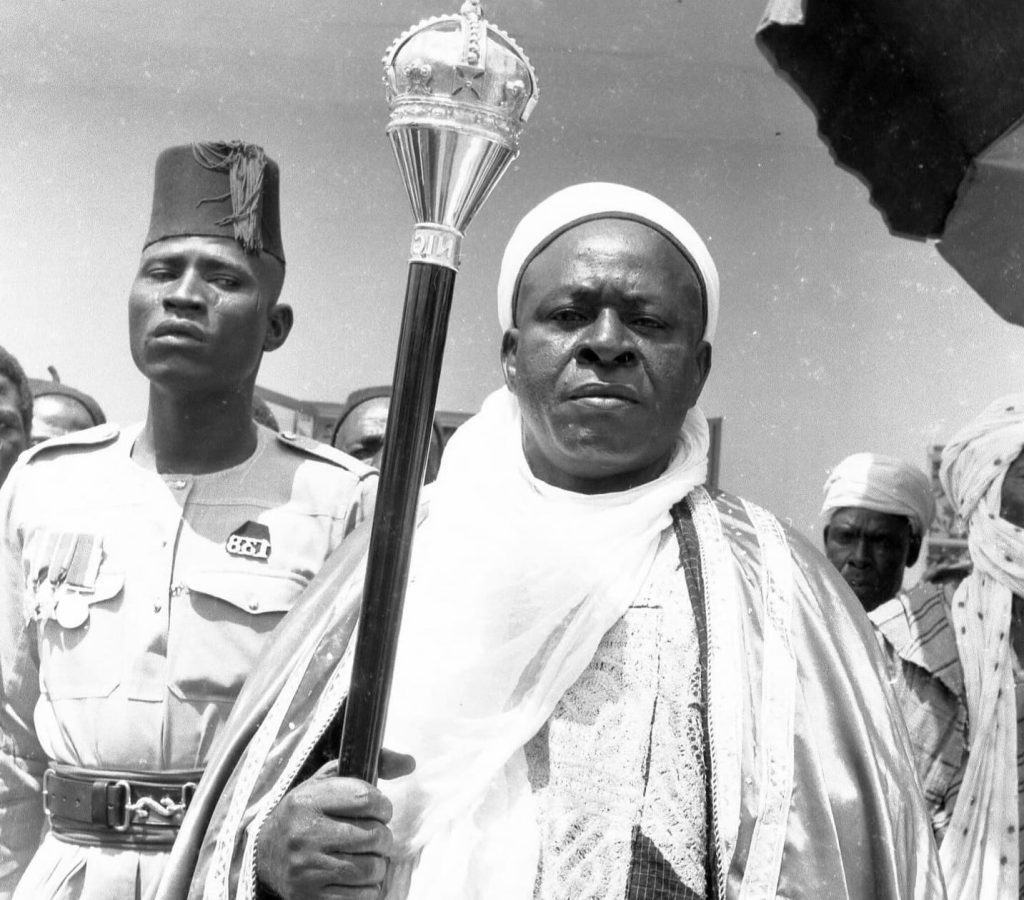
The pivotal moment in their shared history was the 1804 Jihad led by the Fulani scholar Usman Dan Fodio. This religious war successfully challenged the disparate Hausa states and unified them under a single, centralized political and religious entity: the Sokoto Caliphate. The Caliphate’s structure, which included a network of Emirates ruled by Emirs, was based on Islamic law (Sharia) and established a new socio-political hierarchy that subordinated many of the region’s minority groups. This historical event demonstrates that the modern “Hausa-Fulani” identity is not based on a shared linguistic ancestry—Hausa is an Afro-Asiatic language, while Fulani is from the Niger-Congo family—but rather on a powerful, shared history, political structure, and Islamic faith. This cultural and political fusion is so complete that many people of mixed Hausa and Fulani descent are now culturally and linguistically Hausa.
Today, the Hausa-Fulani are nearly entirely Muslim and their culture is deeply intertwined with the Islamic world. The Fulani retain a nomadic, pastoralist tradition and a code of conduct known as
pulaaku, which emphasizes values like patience and self-control, while the Hausa are renowned for their urban life and craftsmanship, particularly in leatherwork.
The Yoruba: The Urban Pioneers
The Yoruba people, concentrated in the southwestern states of Nigeria, are historically recognized as one of the most urbanized pre-colonial societies in Africa. Their collective identity is rooted in the mythological figure of Oduduwa, who is said to have founded the city of Ile-Ife, which is considered the cradle of creation and civilization in Yoruba mythology. The Yoruba developed a system of powerful city-states, each ruled by a hereditary king known as an
oba.
The most dominant of these polities was the Oyo Empire, which emerged in the 16th and 17th centuries and exerted its influence over other Yoruba cities and even neighboring states like Dahomey. The empire’s governance was a complex system of checks and balances designed to prevent the concentration of power. The
Alaafin (king) was the supreme political and spiritual leader but was checked by a council of senior chiefs, the Oyo Mesi, led by the Bashorun (prime minister). The king could even be compelled to commit ritual suicide if he lost the favor of the council.
Yoruba culture is celebrated for its sophisticated craftsmanship, particularly the production of naturalistic bronze and terracotta sculptures, a technical excellence that peaked in the 13th and 14th centuries and is second only to the famous Benin bronzes. Religiously, the Yoruba exhibit a unique blend of beliefs, with significant populations adhering to Islam, Christianity, and indigenous faiths, often in a form of syncretism. Their traditional religion features an elaborate pantheon of deities and a supreme creator, Olodumare.
A defining feature of the Yoruba is their extensive global diaspora, a result of both the transatlantic slave trade and modern migration. The legacy of their culture and religion is evident in places like Brazil, Cuba, and Haiti, where Yoruba deities have been integrated into local spiritual practices such as Candomblé and Vodou.
The Igbo: A History of Decentralization and Resilience
The Igbo people are predominantly located in Nigeria’s southeastern states, a region from which they have historically migrated to other parts of Nigeria and the world due to overpopulation and a desire for trade. The Igbo are distinguished by their pre-colonial political structure, which was largely “stateless” or “acephalous,” lacking a centralized monarchical system. Instead, their governance was based on a system of decentralized “village republics” where power was distributed among councils of elders, age grades, title holders, and the general community. This emphasis on consensus and checks and balances prevented the concentration of power in the hands of a few.
Igbo culture is characterized by its agricultural traditions, with the yam holding immense cultural and spiritual significance as the staple crop, celebrated annually during the New Yam Festival (Iri Ji). The traditional religion, known as
Odinani, centers on a supreme creator, Chineke, and a pantheon of lesser gods and spirits. Today, the Igbo are almost entirely Christian. A point of interest for many Igbo is their belief in descent from the ancient Israelites, a claim supported by parallels in certain traditions and customs.
This history of decentralization and self-governance provides critical context for understanding the Igbo’s role in modern Nigeria. The 1966 coup led by an Igbo military officer and the subsequent anti-Igbo pogroms in the North, where tens of thousands of Igbo were murdered, prompted a mass exodus and led to the secession of the Eastern Region as the Republic of Biafra. The civil war that followed, lasting from 1967 to 1970, was a devastating conflict that cemented the Igbo people’s identity as a resilient and technologically ingenious people, capable of remarkable innovation even under a complete blockade.
Linguistic and Cultural Affiliations: Beyond the Ethnic Label
Nigeria’s linguistic landscape is a microcosm of Africa, containing languages from three major families: Niger-Congo, Afro-Asiatic, and Nilo-Saharan. The distribution of these languages provides a powerful counter-narrative to the idea that ethnic identity is based solely on shared ancestry.
The Niger-Congo family is the largest, encompassing almost all languages in the central and southern regions, including Yoruba, Igbo, Ijaw, and Tiv. The Afro-Asiatic family, found primarily in the North, includes Hausa, Arabic, and Angas. Finally, the Nilo-Saharan family, the least numerically significant in Nigeria, is represented by groups like the Kanuri.
The fact that the Fulani language (Fulfulde) is a Niger-Congo language, while Hausa is Afro-Asiatic, presents a profound case study in identity formation. Linguistically, the Fulani share an ancient common ancestor with the Yoruba and Igbo, yet they are politically and culturally aligned with the Hausa. The reason for this alignment is not shared blood but a shared socio-political history, cemented by the 1804 Fulani Jihad and the creation of the Sokoto Caliphate. This dynamic shows that in Nigeria, modern identity has been forged more by conquest, migration, and shared religious practice than by ancient linguistic ties.
Furthermore, cultural and religious beliefs often blend across ethnic lines. The Yoruba, Efik, Ibibio, and Annang people are predominantly Christian, while the Hausa and Fulani are almost entirely Muslim. Yet, indigenous religious practices are still significant to all groups and are frequently blended with Christian or Muslim beliefs, a practice known as syncretism.
Historical Dynamics: The Legacy of Pre-colonial and Colonial Encounters
The ethnic tensions and socio-political fault lines that define modern Nigeria are not a new phenomenon, nor are they a result of inherent antagonism. Pre-colonial societies were characterized by a complex mix of cooperation and conflict, with interactions facilitated by trade and inter-marriage. While disputes over land and boundaries did lead to conflicts, communities had traditional mechanisms for conflict resolution that prioritized accommodation and reconciliation over a “winner takes all” approach.
The arrival of the British and the implementation of colonial policies, however, profoundly altered these dynamics. The British policy of Indirect Rule institutionalized a system of ethnic inequality. In the North and Southwest, the British co-opted the centralized, monarchical systems of the Hausa-Fulani and Yoruba empires, using their existing hierarchies to govern the regions. In contrast, the decentralized and stateless societies of the Middle Belt and Igboland were subordinated to the authority of the ruling aristocracy, limiting their opportunities for Western education and sowing deep-seated resentment.
A clear example of a colonial policy with long-term, detrimental effects is the “Sabon Gari” (new town) system. Established by the British in northern cities like Kano, these segregated settlements were designed to house predominantly Christian, southern, and “westernized” immigrants who came to work for the colonial administration. The stated intent was to prevent conflict between the Christian immigrants and the indigenous Muslim population. However, this policy paradoxically created the very conditions for modern ethnic strife. By preventing assimilation and inhibiting mutual understanding, the system entrenched the “indigene-settler dichotomy,” a concept that defines citizenship and rights based on ancestral origin and remains a major cause of violent conflict in contemporary Nigeria.
Modern Nigeria: Ethnicity, Politics, and Governance
In the post-independence era, ethnicity has remained a powerful force in Nigerian politics, often serving as a platform for political mobilization and a source of intense rivalry over power and resource sharing. This is especially evident in the persistent struggle between elites from the more populated North and the more educated South, driven by mutual fears of domination. The 2023 presidential election is a recent example of how ethnic sentiment continues to influence political behavior and loyalty, often at the expense of national unity.
To address these deep-seated divisions and mitigate “horizontal inequality,” the Nigerian government instituted the Federal Character Principle in the 1979 Constitution. The principle’s goal is to ensure that the composition of government and its agencies reflects Nigeria’s pluralistic character, thereby preventing the predominance of any single ethnic group.
However, the principle has been met with significant criticism. While proponents laud it as an “ingenious” solution for managing diversity, opponents have denounced it as “inefficient, ineffective, counterproductive, discriminatory, divisive, and disintegrative”. The core problem lies in the wide gap between the policy’s laudable intent and its flawed implementation. The principle has been used to favor certain groups and has led to a situation where political and bureaucratic power is often used for personal, rather than collective, advancement. Instead of fostering genuine social inclusion, it has, in many instances, entrenched the very ethnic grievances it was designed to resolve.
Conclusion: A Multi-Dimensional Perspective
Nigeria’s ethnic landscape is a complex and dynamic mosaic, not a static collection of discrete tribes. The enduring nature of ethnic identity is not a sign of a failed state but a testament to the powerful historical forces that have shaped its various groups. The Hausa-Fulani, Yoruba, and Igbo, with their distinct histories of centralized empires, urban city-states, and decentralized republics, form the foundational pillars of the nation. Yet, their modern identities are a product of both pre-colonial interactions and, more profoundly, British colonial policies that institutionalized divisions and created the socio-political framework for future conflicts.
The ongoing challenges of ethnic rivalry, the “indigene-settler” dichotomy, and the struggle for genuine national integration are direct legacies of this history. A policy like the Federal Character Principle, while well-intentioned, has been unable to bridge these divides due to a fundamental failure of implementation. A comprehensive understanding of Nigeria requires acknowledging the intricate interplay of these historical, political, and cultural forces. The true identity of a “Nigerian” is not a monolith but a dynamic, multi-layered concept that continues to evolve under the enduring weight of its past.










Related Posts

Stay Informed With the Latest & Most Important News
Previous Post
Next Post

Advertisement