
Now Reading: Obi of Onitsha: Custodian of Igbo Kingship and Onitsha Traditions
1
-
01
Obi of Onitsha: Custodian of Igbo Kingship and Onitsha Traditions

Obi of Onitsha: Custodian of Igbo Kingship and Onitsha Traditions

Historical Background
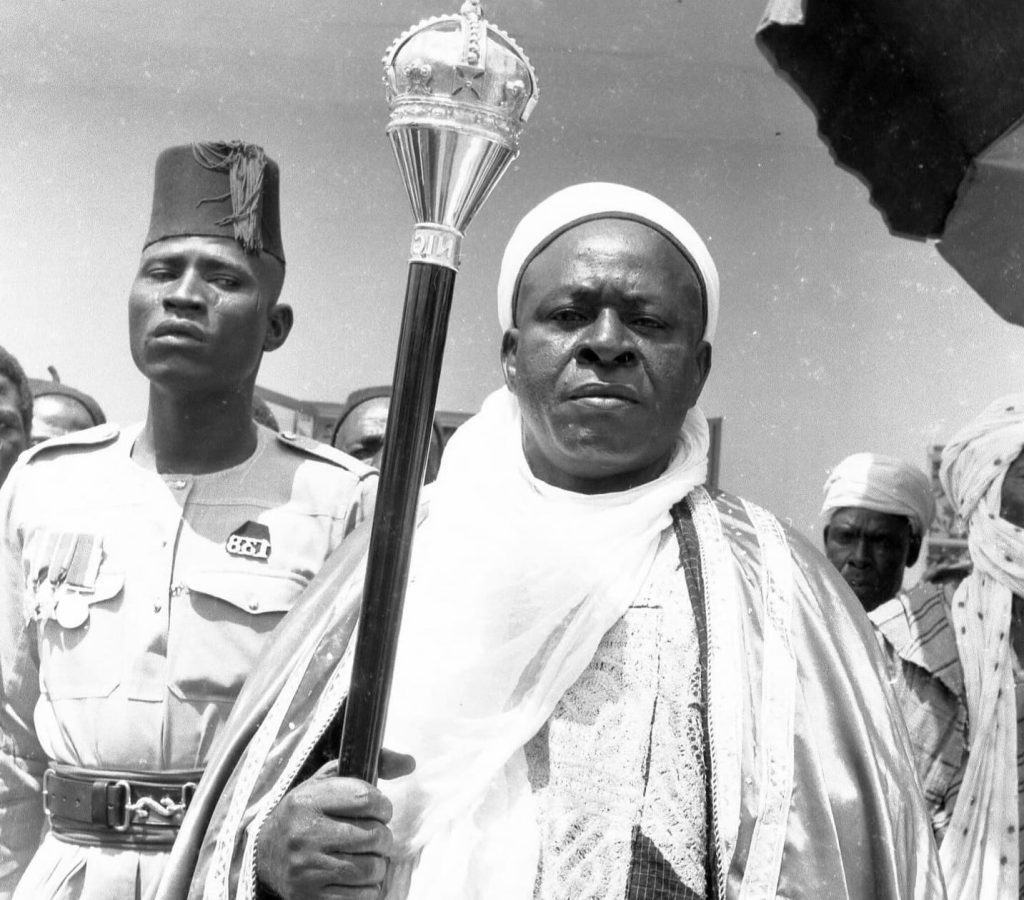
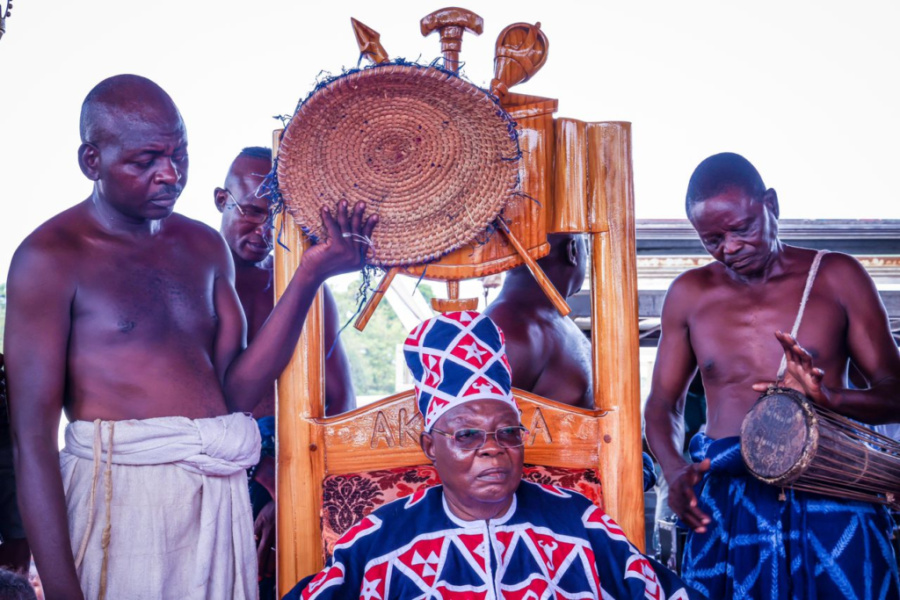
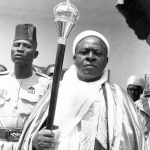
The Obi of Onitsha is the traditional monarch of Onitsha, a historic Igbo city located on the banks of the River Niger in Anambra State, Nigeria.
- The Onitsha kingdom traces its origins to migrations from Benin in the 16th century, blending Igbo and Edo cultural elements.
- The Obi is both a spiritual and cultural leader, representing continuity of Onitsha’s monarchy within the broader Igbo cultural landscape.
- Unlike many Igbo communities governed by councils of elders, Onitsha is unique for having a centralized kingship institution.
Role and Authority
- Cultural Custodian: Preserves Onitsha’s customs, rites, and heritage.
- Religious Leader: Oversees traditional ceremonies and festivals.
- Mediator: Influences community affairs and acts as a bridge between tradition and modern governance.
- National Statesman: A prominent voice in southeastern Nigeria and beyond.
Palace and Institutions
- The Obi resides in the Onitsha Royal Palace, a center of tradition, culture, and decision-making.
- Works with the Ndichie (council of chiefs), who play advisory and administrative roles.
Notable Obis
Obi Akazua (17th century)
- Among the early kings who consolidated Onitsha’s monarchy.
Obi Okosi I (1900–1931)
- Ruled during the colonial period, navigating British indirect rule.
Obi Okosi II (1935–1961)
- Strengthened the monarchy during Nigeria’s independence struggle.
Obi Ofala Okagbue (1961–1970)
- Reigned through the turbulence of the Nigerian Civil War.
Obi Nnaemeka Alfred Achebe (2002–present)
- Installed on 14 May 2002, he is the 21st Obi of Onitsha.
- Educated at Stanford University (USA) and Columbia University (USA).
- Had a successful career in international business and governance before ascending the throne.
Festivals and Cultural Role
Ofala Festival
- The most important annual cultural event in Onitsha.
- Marks the Obi’s annual emergence from seclusion to bless the people.
- A colorful festival of music, dance, masquerades, and regalia, attracting international visitors.
Other Roles
- Custodian of Onitsha’s unique blend of Igbo and Benin traditions.
- Symbol of unity for Onitsha indigenes at home and in the diaspora.
Obi Nnaemeka Alfred Achebe’s Reign
- Advocates for education, peace, and economic development in Anambra State.
- Promotes Igbo cultural pride and preservation of traditions in the modern era.
- Acts as a statesman on national issues, respected across Nigeria.
- Modernizes the Ofala Festival into a global cultural attraction.
Legacy and Significance
- The Obi of Onitsha is one of the most influential Igbo monarchs.
- Represents the fusion of Igbo republican traditions with monarchic authority.
- A symbol of cultural resilience, unity, and pride for the Igbo people.
Conclusion
The Obi of Onitsha is more than a traditional ruler — he is a living custodian of Igbo identity, cultural heritage, and history. From its Benin-linked origins to Obi Achebe’s modern statesmanship, the Onitsha monarchy remains a beacon of pride, continuity, and cultural diplomacy in southeastern Nigeria.










Related Posts

Stay Informed With the Latest & Most Important News
Previous Post
Next Post

Advertisement

Donations






Loading Next Post...


