Now Reading: The Future of Nigerian Agriculture: From Import Dependence to Global Food Exporter
-
01
The Future of Nigerian Agriculture: From Import Dependence to Global Food Exporter
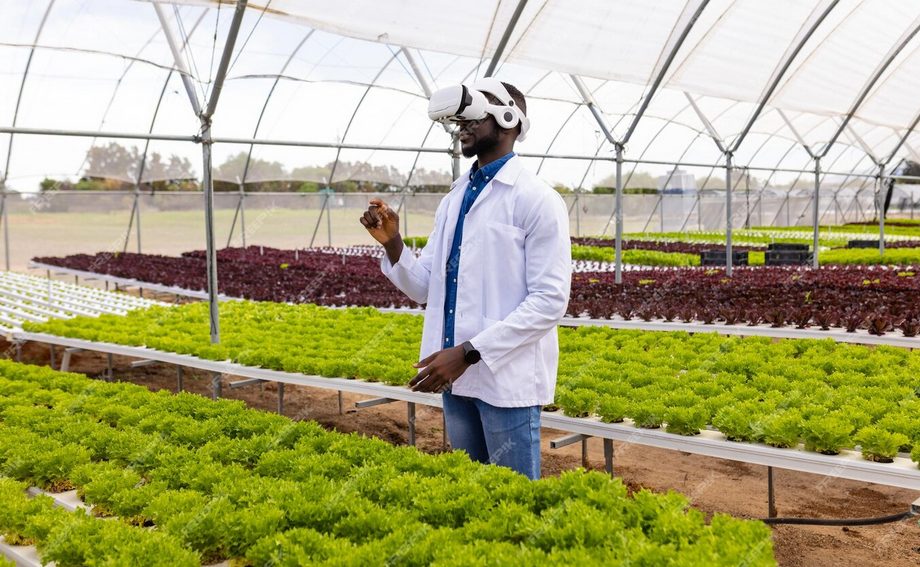
The Future of Nigerian Agriculture: From Import Dependence to Global Food Exporter

Before the discovery of oil, Nigeria was known as the breadbasket of West Africa. Cocoa, groundnuts, palm oil, and cotton from Nigerian farms fed both local populations and global markets. Today, the story is different: despite vast arable land and a youthful population, Nigeria spends billions annually on food imports. Yet, with the right mix of technology, policy reforms, and sustainable practices, the country could once again rise as a leading food exporter.
🌾 The State of Agriculture in Nigeria Today
- Agriculture contributes about 25% of Nigeria’s GDP.
- It employs over 60% of the workforce, mostly smallholder farmers.
- Despite its potential, Nigeria imports staples like wheat, rice, fish, and dairy.
- Post-harvest losses remain high, with up to 40% of produce wasted due to poor storage and logistics.
This mismatch between potential and reality highlights the urgency of transformation.
🚧 Key Challenges
- Outdated Methods: Reliance on manual labor and rain-fed farming keeps yields low.
- Infrastructure Deficit: Poor roads, storage, and processing facilities hurt value chains.
- Access to Finance: Small farmers struggle to secure affordable loans or insurance.
- Land Tenure Issues: Unclear ownership discourages large-scale investment.
- Insecurity: Farmer-herder clashes and rural banditry disrupt production.
💡 Technology as a Catalyst for Change
- Digital Platforms: Mobile apps connect farmers to markets, weather data, and extension services.
- Mechanization: Tractors, drones, and harvesters boost productivity.
- Precision Agriculture: Satellite imagery and sensors guide irrigation and fertilizer use.
- Improved Seed Varieties: Resilient crops withstand pests, drought, and climate shocks.
- Blockchain and Data Analytics: Strengthen transparency in supply chains, ensuring farmers earn fair prices.
🌍 The Case for Sustainable Practices
- Agroforestry: Combining trees with crops improves soil health and combats climate change.
- Organic Fertilizers: Reduce dependence on harmful chemicals while protecting biodiversity.
- Climate-Smart Agriculture: Helps farmers adapt to erratic rainfall and rising temperatures.
- Water Management: Irrigation systems reduce overdependence on seasonal rains.
Sustainability ensures that increased production does not come at the expense of future generations.
🚀 Pathways to Export Competitiveness
Nigeria can build global strength in:
- Cocoa & Cashew: Scaling value-added exports (chocolate, processed nuts).
- Rice & Maize: Boosting production to self-sufficiency and surplus for trade.
- Aquaculture: Expanding catfish and tilapia farming for export.
- Horticulture: Fresh fruits, vegetables, and flowers for regional and European markets.
The African Continental Free Trade Area (AfCFTA) offers a ready market for Nigerian produce if quality standards and logistics improve.
🏛️ Policy and Private Sector Role
- Anchor Borrowers’ Programme: Offers credit and support to small farmers.
- Agritech Startups: Firms like Farmcrowdy and Thrive Agric connect investors with farmers.
- Public-Private Partnerships: Investments in processing plants, storage facilities, and export hubs.
- Regional Trade: Leveraging ECOWAS and AfCFTA to expand market access.
✅ Conclusion
Nigeria’s agricultural revival is both a necessity and an opportunity. By embracing technology, scaling sustainable practices, and reforming policies, the country can feed itself and supply food to the world.
The future of Nigerian agriculture is not just about increasing yields—it is about creating jobs, reducing poverty, ensuring food security, and transforming Nigeria into a global agricultural powerhouse.










Related Posts



Stay Informed With the Latest & Most Important News
Previous Post
Next Post


Advertisement