
Now Reading: Buchi Emecheta
1
-
01
Buchi Emecheta
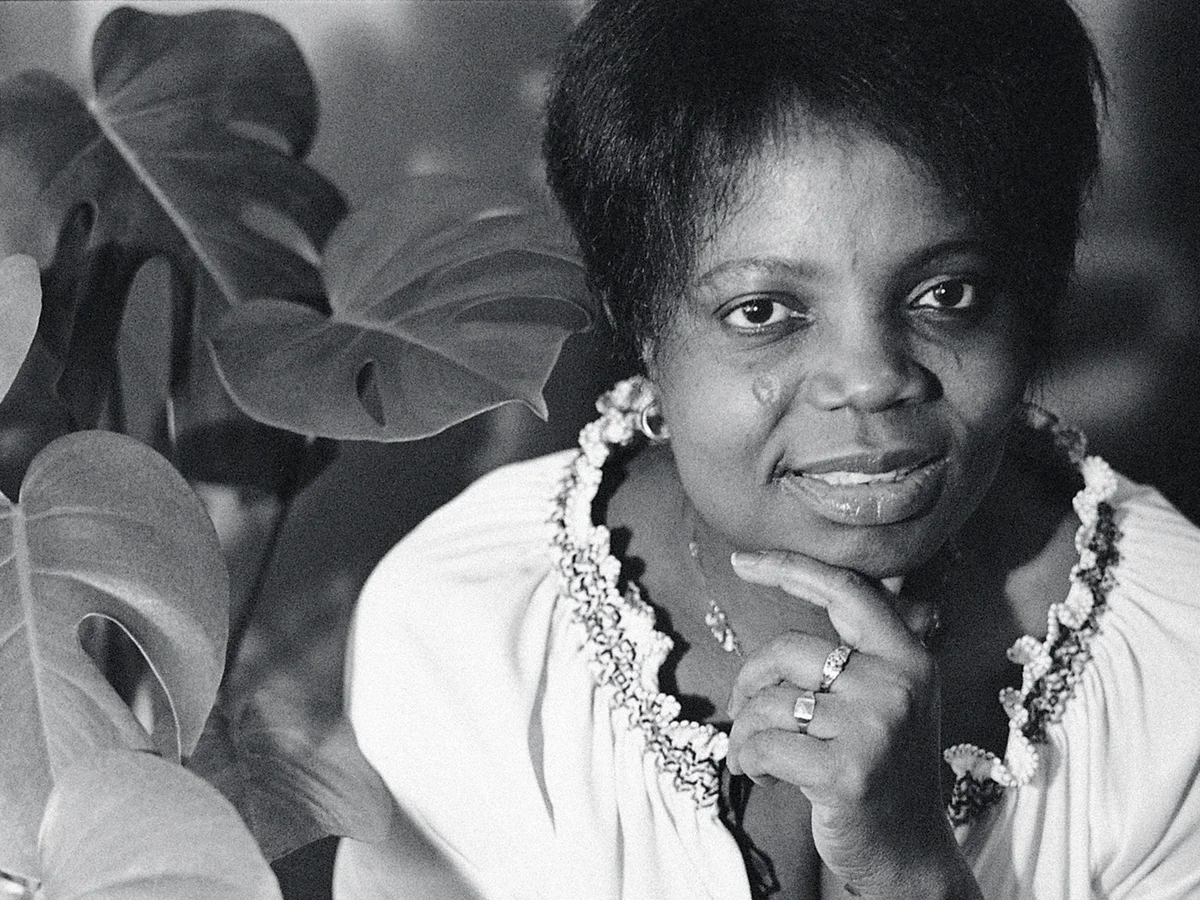


📍 Quick Facts
- Full Name: Florence Onyebuchi “Buchi” Emecheta
- Date of Birth: July 21, 1944
- Place of Birth: Yaba, Lagos, Nigeria
- Died: January 25, 2017 (aged 72)
- Profession: Novelist, Playwright, Academic
- Known For: Writing about the struggles of African women in patriarchal societies, and the immigrant experience in Britain.
🌱 Early Life
- Born in Lagos to Ibo (Igbo) parents.
- Lost her father during World War II.
- Attended Methodist Girls’ School, excelling in academics.
- At age 16, married Sylvester Onwordi, and later moved with him to London in 1962.
✍️ Writing Career
🖊️ First Steps
- Began writing while raising five children in London, often under difficult circumstances.
- Many of her early manuscripts were destroyed by her husband in moments of conflict.
📚 Major Works
- In the Ditch (1972) – Semi-autobiographical novel about life as a single mother in London.
- Second-Class Citizen (1974) – Story of a Nigerian woman facing racism, sexism, and marital struggles in the UK.
- The Bride Price (1976) – Explores the weight of traditional expectations on women.
- The Slave Girl (1977) – Winner of the Jock Campbell Award; about the exploitation of women and children.
- The Joys of Motherhood (1979) – Her most famous novel; a critique of the sacrifices imposed on African women by tradition and patriarchy.
- Destination Biafra (1982) – Political novel about the Nigerian Civil War.
- Kehinde (1994) – Story of migration and gender roles.
🌍 Themes in Her Work
- Women’s Struggles 👩🏾 – oppression, motherhood, marriage, and independence.
- Immigration ✈️ – challenges of adapting to life in the UK.
- Colonialism & Tradition ⚖️ – conflict between African traditions and modern realities.
- Identity & Empowerment 🌟 – African women’s right to self-determination.
🎓 Academic Career
- Worked at University of London and was a respected public intellectual.
- Gave lectures and wrote essays on feminism, African identity, and literature.
🏆 Recognition & Legacy
- Regarded as one of Africa’s foremost female writers.
- Honored with an OBE (Order of the British Empire) in 2005 for her contribution to literature.
- Her books are taught in schools and universities worldwide.
- Inspires writers such as Chimamanda Ngozi Adichie and countless African women authors.
💬 Famous Quote
“I work toward the liberation of women. My books are about survival, just like my own life.”
✅ Conclusion
Buchi Emecheta’s life mirrors the struggles of the women she wrote about: strength in adversity, resilience against patriarchy, and triumph through storytelling. Her novels remain powerful voices for women, Nigeria, and the African diaspora.










Related Posts


Stay Informed With the Latest & Most Important News
Previous Post
Next Post


Advertisement

Donations




Loading Next Post...


