
Now Reading: Kunu: Northern Nigeria’s Millet Drink
1
-
01
Kunu: Northern Nigeria’s Millet Drink
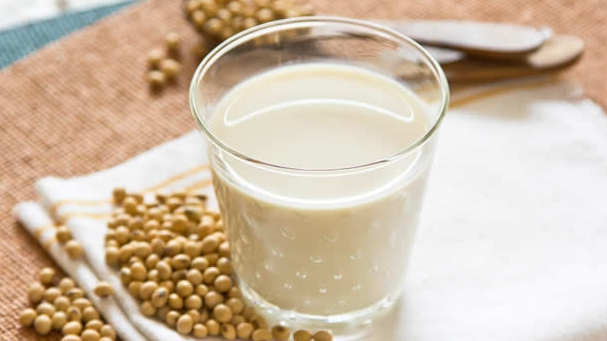

Kunu is a refreshing, slightly tangy beverage made from millet, sorghum, or maize, flavored with spices like ginger and cloves. Popular in northern Nigeria, it is a nutritious and energizing drink often served at homes, markets, and ceremonies.
🌍 Origin & Cultural Significance
Kunu is most associated with the Hausa-Fulani people of northern Nigeria.
- It is a daily drink, often consumed with meals or as refreshment.
- During Ramadan, Kunu is a staple for breaking the fast.
- It is also served at weddings, naming ceremonies, and family gatherings.
Kunu represents northern hospitality and tradition, reflecting the region’s grain-based diet.
🛒 Ingredients (Classic Kunu)
- 🌾 Millet, sorghum, or maize (soaked and ground)
- 🌱 Ginger
- 🌿 Cloves
- 🌰 Tiger nuts (optional, for richness)
- 💧 Water
- 🍯 Sugar or honey (to sweeten)
👩🏾🍳 How It’s Prepared
- Soak grains (millet/sorghum/maize) overnight.
- Grind with ginger, cloves, and spices.
- Pour hot water over the mixture and allow to ferment.
- Strain to remove solids.
- Sweeten with sugar or honey, then chill.
🍴 How It’s Enjoyed
Kunu is served:
- Chilled in cups or bottles ❄️
- Alongside meals like Tuwo Shinkafa 🍚
- During festive and religious gatherings 🎉
🔄 Variations
- Kunu Aya – made from tiger nuts, coconut, and dates (creamy and sweet).
- Kunu Zaki – traditional version with millet or sorghum.
- Kunu Gyada – peanut-based kunu.
🎉 Why Kunu is Special
Kunu is not just a drink—it is nourishment in a cup. Rich in fiber, vitamins, and energy, it reflects the Hausa tradition of using grains to create wholesome and refreshing beverages.
📌 Fun Fact: Kunu Aya (tiger nut kunu) has recently gained popularity internationally as a healthy, plant-based alternative to dairy milk.










Related Posts

Stay Informed With the Latest & Most Important News
Previous Post
Next Post


Advertisement

Donations







Loading Next Post...


