
Now Reading: Muhammadu Abali Ibn Muhammadu Idrissa: Emir of Fika
1
-
01
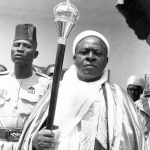
Muhammadu Abali Ibn Muhammadu Idrissa: Emir of Fika


Early Life and Background
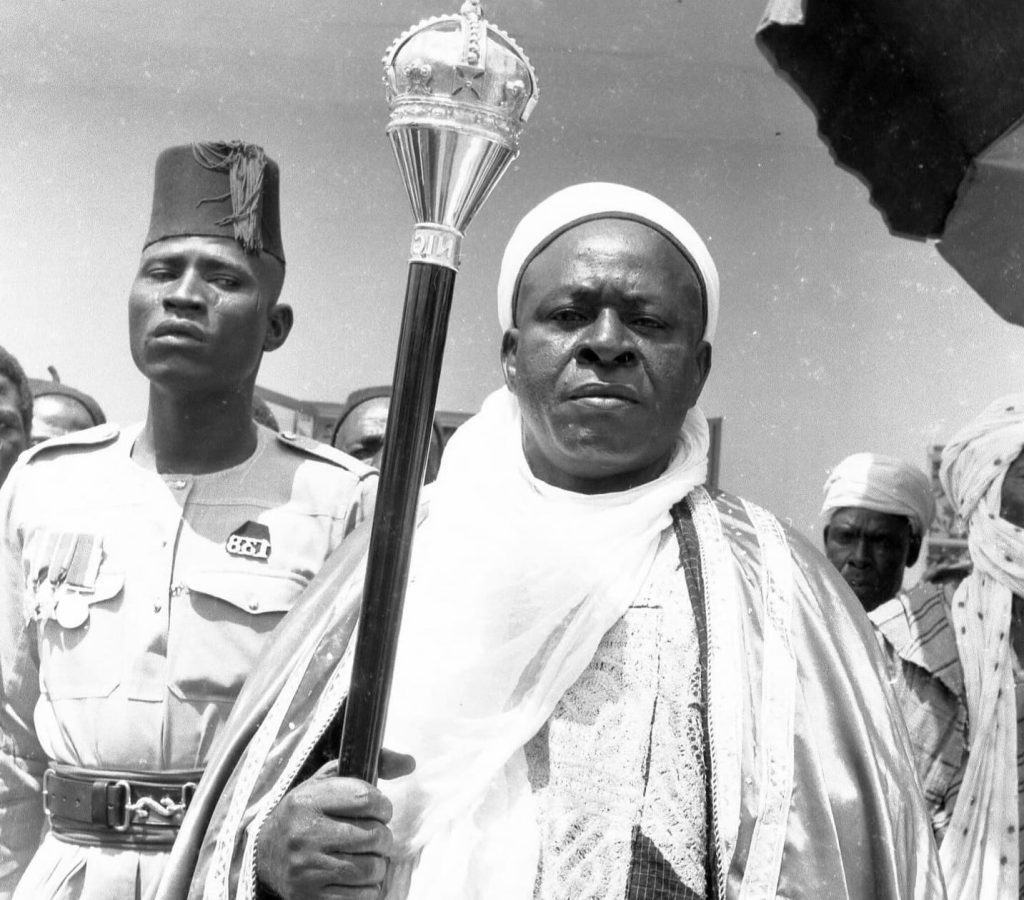
Alhaji Muhammadu Abali Ibn Muhammadu Idrissa was born in 1950 into the royal family of the Fika Emirate, Yobe State.
- He is the son of Emir Muhammadu Ibn Idrissa (1977–2009), who ruled the emirate for 32 years.
- Belongs to the historic Bolewa dynasty, which traces its roots to the Kanem-Bornu Empire before merging with Fulani influences during the Sokoto Jihad.
- Grew up in Potiskum, exposed to both Islamic learning and modern education, preparing him for leadership.
Education
- Attended primary and secondary schools in the North-East.
- Studied at Ahmadu Bello University (ABU), Zaria, one of Nigeria’s most prestigious institutions.
- Received training in administration, traditional governance, and Islamic scholarship.
Career Before Ascension
- Worked as a civil servant in various administrative roles in Yobe and Borno States.
- Gained experience in governance, leadership, and conflict mediation.
- Known for his diplomatic skills and deep knowledge of Islamic and traditional values.
Ascension to the Throne
- Following the passing of his father, Emir Muhammadu Ibn Idrissa, in 2009, Muhammadu Abali was selected by the Fika kingmakers.
- On 12 March 2010, he was officially installed as the Emir of Fika, one of the most respected first-class traditional stools in Northern Nigeria.
Reign and Leadership
Custodian of Tradition
- Upholds the diverse heritage of the Fika Emirate, which includes Bolewa, Fulani, Ngizim, and Ngamo communities.
- Presides over traditional councils, Islamic scholars, and local institutions in Potiskum.
Peace and Conflict Resolution
- His reign has coincided with serious challenges in Yobe State, including Boko Haram insurgency and insecurity.
- Plays a mediatory role, advocating peace, resilience, and community rebuilding.
- Works closely with government and security agencies to maintain harmony in the region.
Education and Development
- Strong advocate for education, especially for youth and women.
- Promotes both Islamic scholarship and Western education as tools for empowerment.
- Encourages vocational skills and small-scale enterprise development.
National Influence
- Member of the Northern Traditional Rulers’ Council.
- Active in the National Council of Traditional Rulers of Nigeria, contributing to discussions on national security and development.
- Collaborates with other monarchs like the Sultan of Sokoto, Shehu of Borno, and Lamido of Adamawa.
Cultural Role
- Presides over Durbar Festivals, especially during Eid celebrations, showcasing horsemanship and Bolewa traditions.
- Encourages preservation of Bolewa identity, oral history, and cultural festivals.
- Serves as a bridge between ancient Kanem-Bornu heritage and Sokoto Caliphate traditions.
Personal Traits
- Known for his calm, diplomatic, and fatherly leadership style.
- Respected for his commitment to peace, tradition, and development.
Legacy and Significance (So Far)
- Strengthened the Fika throne as a unifying institution in Yobe State.
- Embodies continuity, being the son of the late Emir Muhammadu Ibn Idrissa.
- Seen as a monarch who combines tradition, scholarship, and diplomacy in turbulent times.
Conclusion
Alhaji Muhammadu Abali Ibn Muhammadu Idrissa, installed in 2010 as the Emir of Fika, is more than a monarch — he is a symbol of unity, resilience, and cultural pride in Yobe State. His reign reflects both the endurance of the Bolewa-Fulani heritage and the adaptability of traditional rulers in modern Nigeria, ensuring that the Fika Emirate remains a beacon of leadership and continuity.










Related Posts

Stay Informed With the Latest & Most Important News
Previous Post
Next Post
Previous Post
Next Post

Advertisement

Donations






Loading Next Post...


