
Now Reading: Emir of Fika: Custodian of Yobe’s Oldest Emirate
1
-
01
Emir of Fika: Custodian of Yobe’s Oldest Emirate

Historical Background
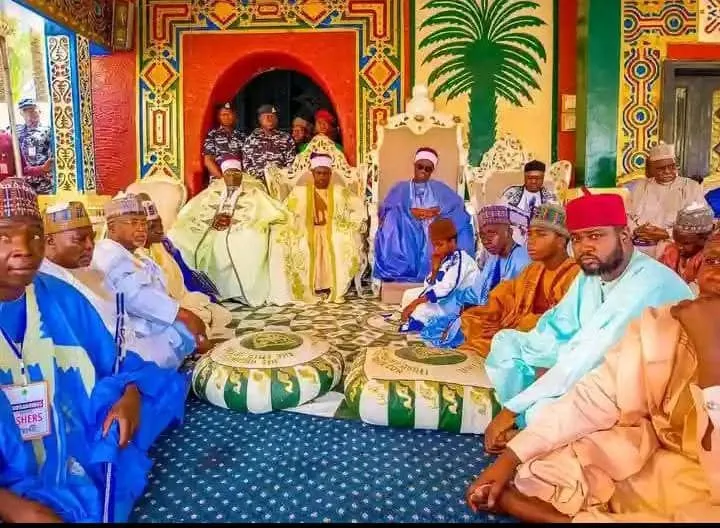
The Emir of Fika is the paramount ruler of the Fika Emirate, headquartered in Potiskum, Yobe State, Nigeria.
- The Fika Emirate was founded in the early 19th century, originally established by the Bolewa people.
- The Bolewa trace their ancestry to migrations from the Kanem-Bornu Empire, blending with Fulani and other groups over centuries.
- In 1805, during the Sokoto Jihad, the Fulani consolidated their influence in the area, leading to the establishment of the emirate in its present form.
- Today, the Fika Emirate is one of the most respected traditional institutions in Northeastern Nigeria.
Seat and Influence
- The Emir’s seat is in Potiskum, one of the largest towns in Yobe State.
- The Fika Emirate is multi-ethnic, including Bolewa, Fulani, Ngizim, Ngamo, and other groups, reflecting its diverse cultural heritage.
Role and Authority
- Cultural Custodian: Preserves Bolewa, Fulani, and wider Yobe traditions.
- Religious Leader: Oversees Islamic practices and scholarship in the emirate.
- Mediator: Plays a role in conflict resolution and inter-ethnic harmony in Yobe.
- National Statesman: Influential in the Northern Traditional Rulers’ Council and the National Council of Traditional Rulers of Nigeria.
Notable Emirs
Mai Buba (19th century)
- Among the early rulers credited with consolidating the emirate’s authority after the jihad.
Alhaji Muhammadu Ibn Idrissa (1977–2009)
- Reigned for 32 years, modernized the emirate, and strengthened its role in national affairs.
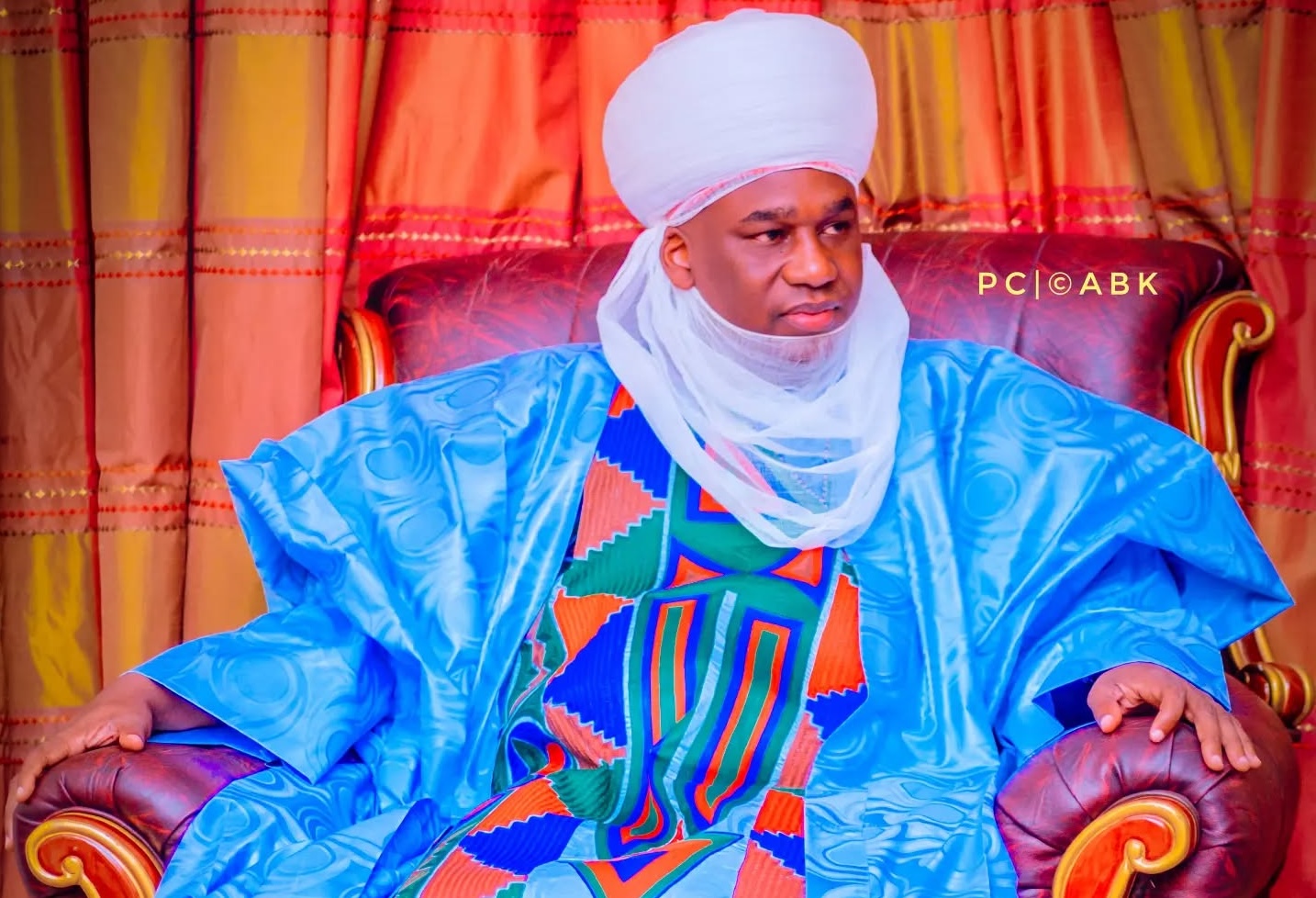
Current Emir: Muhammadu Abali Ibn Muhammadu Idrissa (2010–present)
- Installed in March 2010, following the death of his father, Emir Muhammadu Ibn Idrissa (1977–2009).
- Educated in Islamic and Western institutions, giving him a balanced perspective.
- Known for his diplomacy and leadership in a region affected by insecurity.
His Reign and Leadership
- Custodian of Tradition: Upholds the diverse cultural heritage of the Fika people.
- Peace Advocate: Promotes unity and dialogue in Yobe, which has faced insurgency challenges.
- Education and Development: Encourages literacy, Islamic scholarship, and vocational skills for youth.
- National Role: Member of the National Council of Traditional Rulers of Nigeria, engaging in peace and development discussions.
Cultural Role
- Presides over traditional festivals, such as Durbar celebrations during Eid.
- Maintains the rich heritage of the Bolewa people, while integrating Fulani-Islamic traditions.
Legacy and Significance
- The Fika throne is one of the oldest emirates in the northeast, linking ancient Kanem-Bornu traditions with Sokoto Caliphate influences.
- Symbolizes the resilience of Yobe’s diverse communities despite modern challenges.
- Under Muhammadu Abali Ibn Muhammadu Idrissa, the emirate continues to serve as a beacon of tradition, peace, and leadership.
Conclusion
The Emir of Fika is more than a monarch — he is the custodian of Yobe’s cultural and religious heritage, a unifying father, and a national voice for peace. From its Bolewa roots in the 19th century to Muhammadu Abali Ibn Muhammadu Idrissa’s reign today, the Fika throne remains a source of dignity, resilience, and pride in Northeastern Nigeria.










Related Posts


Stay Informed With the Latest & Most Important News
Previous Post
Next Post

Advertisement

Donations







Loading Next Post...


