
Now Reading: Nigerian Cuisine: A Culinary Journey
1
-
01
Nigerian Cuisine: A Culinary Journey


Exploring Unique & Lesser-Known Dishes from Nigeria’s Ethnic Groups
Nigeria’s cuisine is as diverse as its 250+ ethnic groups. While dishes like jollof rice, pounded yam, and suya are world-famous, many regional delicacies remain hidden gems waiting to be discovered. Join us on a journey through Nigeria’s kitchens — from the coasts to the savannah — and explore flavors that define its cultural mosaic.
🌾 Yoruba Cuisine (Southwest Nigeria)
🔸 Efo Riro
- A rich spinach stew cooked with peppers, tomatoes, locust beans, and assorted meat/fish.
- Often eaten with amala, rice, or pounded yam.
🔸 Ikokore
- A grated water yam porridge native to the Ijebu people.
- Spiced with peppers and cooked with fish, making it hearty and unique.
🌽 Igbo Cuisine (Southeast Nigeria)
🔸 Ofe Oha (Oha Soup)
- A seasonal soup made from oha leaves, cocoyam, and smoked fish/meat.
- Best enjoyed with fufu.
🔸 Abacha (African Salad)
- Made from shredded cassava, garnished with palm oil, ugba (oil bean), garden eggs, and fish.
- Popular at ceremonies and street food joints.
🥩 Hausa/Fulani Cuisine (Northern Nigeria)
🔸 Miyan Kuka
- A green soup made from baobab leaves.
- Served with tuwo shinkafa (mashed rice).
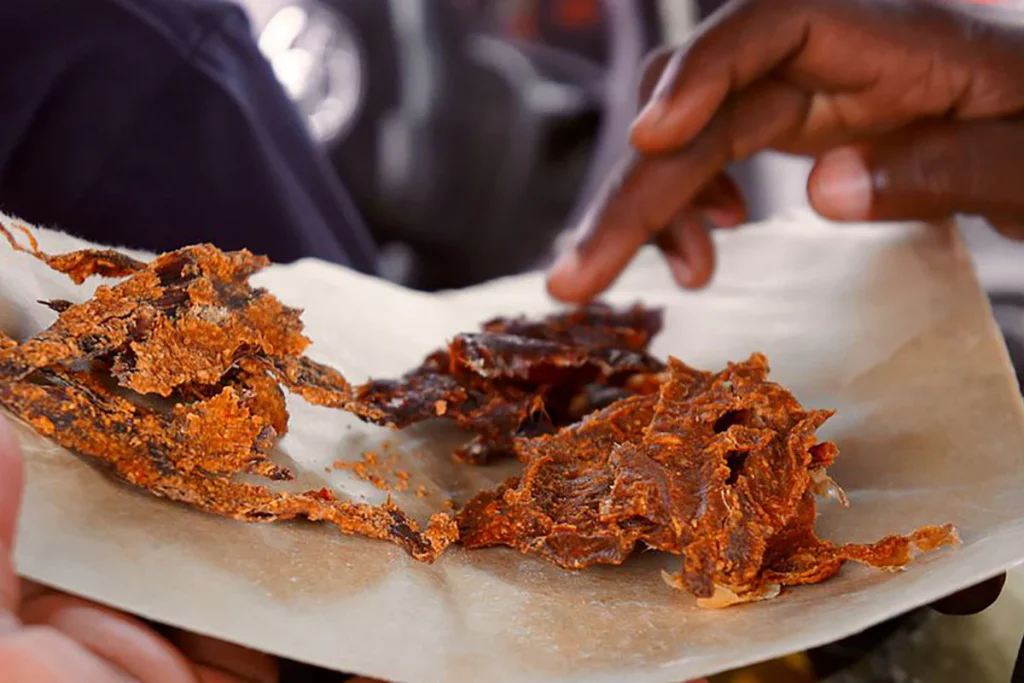
🔸 Kilishi
- A spicy dried beef snack, similar to jerky but coated with a peppery paste.
- A must-try Northern delicacy.
🐟 Efik/Ibibio Cuisine (Cross River & Akwa Ibom)
🔸 Edikang Ikong
- A vegetable-rich soup combining pumpkin leaves and waterleaf.
- Known as one of Nigeria’s most nutritious and prestigious dishes.
🔸 Afang Soup
- Made from afang (wild spinach) leaves and waterleaf.
- Thick, earthy, and deeply satisfying.
🥔 Tiv & Idoma Cuisine (Middle Belt)
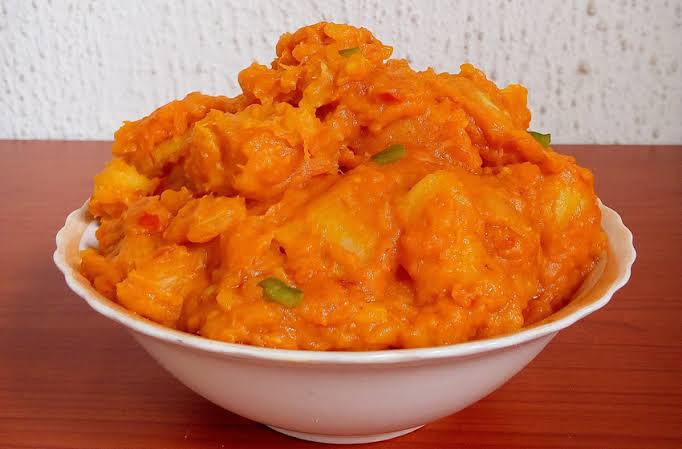
🔸 Pounded Yam with Ayamase Stew
- The Middle Belt has some of Nigeria’s best yam dishes.
- Ayamase (designer stew) is rich in green peppers, offals, and palm oil.
🔸 Akpu (Cassava Fufu)
- Staple meal often paired with egusi or groundnut soup.
🐠 Niger Delta Cuisine
🔸 Banga Soup
- Palm nut soup enriched with spices, dried fish, and meat.
- Traditionally eaten with starch or eba.
🔸 Owo Soup
- A unique blend of palm oil and starch, flavored with smoked fish.
- Popular among the Urhobo and Itsekiri.
🍲 Other Hidden Gems Across Nigeria
- Okpa (Enugu) – Steamed bambara nut pudding, wrapped in banana leaves.
- Fura da Nono (North) – Millet balls served in fermented milk, refreshing and filling.
- Ukodo (Delta/Yoruba) – Yam pepper soup, often with goat meat or fish.
- Nkwobi (Igbo) – Cow foot delicacy in a spicy palm oil sauce.
- Gbegiri & Amala (Yoruba) – Bean soup paired with amala and ewedu.
🎉 Why Nigerian Cuisine Stands Out
- Diversity: Every ethnic group brings unique flavors.
- Spices & Herbs: Locust beans, uda seeds, uziza, and dawadawa create depth.
- Communal Culture: Meals are central to celebrations, bonding, and hospitality.
- Global Influence: From London to New York, Nigerian restaurants are gaining global recognition.
✅ Conclusion
Nigerian food is more than sustenance — it’s a story of culture, resilience, and creativity. Beyond the famous Jollof, there’s a world of flavors to discover. Whether it’s the spicy kick of Kilishi, the earthiness of Miyan Kuka, or the comforting taste of Ofe Oha, Nigerian cuisine offers a culinary journey like no other.
✨ In every pot, Nigeria tells its story.










Related Posts

Stay Informed With the Latest & Most Important News
Previous Post
Next Post
Previous Post

Next Post

Advertisement

Donations







Loading Next Post...


