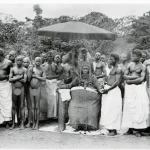
Nigerian ethnic groups
Ethnic Groups
Diversity · Languages · Heritage · Culture
Explore the vibrant mosaic of over 250 distinct ethnic groups and 500 languages that form the cultural bedrock of Africa’s most populous nation.
A mosaic of
cultures and traditions
Nigeria’s identity is profoundly defined by its incredible ethnic diversity. As a colonial amalgamation of numerous pre-existing kingdoms, empires, and decentralized societies, the modern nation is home to over 250 distinct ethnic groups, each with its own customs, traditions, and language.
The demographic and political landscape is historically dominated by the “Big Three”: the Hausa (and closely integrated Fulani) in the North, the Yoruba in the South West, and the Igbo in the South East. Together, they account for roughly 60% of the national population.
However, the remaining 40% consists of millions of people belonging to highly influential minority groups such as the Ijaw, Kanuri, Ibibio, Tiv, Edo, and Nupe. This staggering diversity drives Nigeria’s rich cultural output in music, food, and literature, but also necessitates complex political mechanisms—like the Federal Character Principle—to ensure equitable representation.
- Lingua Franca: While English is the official language, Nigerian Pidgin bridges communication across all ethnic divides.
- Urban Melting Pots: Cities like Lagos, Abuja, and Port Harcourt serve as centers of massive inter-ethnic integration.
- NYSC: The National Youth Service Corps mandates graduates to serve in states outside their cultural origins to foster unity.
Demographic Data
A numerical look at Nigeria’s diversity
Explore the Regions
The cultural heartlands of the federation

An ethnolinguistic map highlighting the general regional concentrations of Nigeria’s major and notable minority ethnic groups.
| Hausa-Fulani | Predominantly in the North. Bound by the Hausa language and largely Islamic faith. Known historically for agriculture, cattle rearing, and trans-Saharan commerce. |
|---|---|
| Yoruba | Predominantly in the South West. Features a mix of Christianity, Islam, and traditional religions. Historically highly urbanized with deep artistic and educational heritage. |
| Igbo | Predominantly in the South East. Largely Christian. Known for the “Igba Boyi” apprenticeship system, immense commercial enterprise, and historically decentralized governance. |
Culture & Coexistence
How diversity shapes the nation
With over 500 living languages, Nigeria is a linguistic powerhouse. While English is the language of government and education, Nigerian Pidgin—a creole blending English with indigenous vocabulary—serves as the true unifying lingua franca, spoken universally across markets, streets, and pop culture.
To manage its vast diversity and prevent any single group from dominating, the 1999 Constitution mandates the Federal Character Principle. This requires that public appointments, military recruitment, and national resources are distributed equitably across states and ethnic groups.
Ethnic identity is proudly displayed through magnificent festivals. From the grand equestrian Durbar festivals of the northern Emirates to the Yoruba Olojo festival in Ife, and the Igbo New Yam Festival (Iri Ji), these events preserve ancient customs and attract global tourism.
While political friction occasionally arises along ethnic fault lines, everyday coexistence is the norm. Cosmopolitan cities like Lagos and Abuja are massive melting pots. High rates of inter-ethnic marriages and shared cultural phenomena (like Afrobeats and Nollywood) constantly forge a unified, modern Nigerian identity.
Estimated Demographics
Data based on historical estimates and CIA Factbook projections
| Ethnic Group | Est. % | Primary Region |
|---|---|---|
| Hausa | ~30.0% | North West, North East |
| Yoruba | ~15.5% | South West, Kwara, Kogi |
| Igbo | ~15.2% | South East, Delta |
| Fulani | ~6.0% | Dispersed across the North |
| Others (200+) | ~33.3% | Nationwide |
| Ethnic Group | Primary Base | Cultural Note |
|---|---|---|
| Ijaw | Niger Delta | Riverine culture, deeply tied to the oil-rich coastal regions. |
| Kanuri | Borno / Yobe | Heirs to the ancient Kanem-Bornu empire. |
| Tiv | Benue | Famous agriculturalists of the Middle Belt. |
| Edo (Bini) | Edo State | Custodians of the historic Benin Empire and its famous bronzes. |
| Ibibio & Efik | Akwa Ibom / Cross River | Rich coastal traditions and renowned culinary heritage. |