Now Reading: Nsala Soup (White Soup): Igbo Comfort Food
-
01
Nsala Soup (White Soup): Igbo Comfort Food
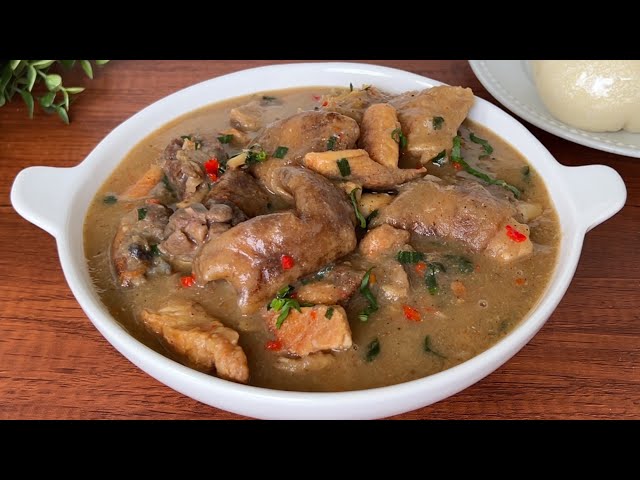

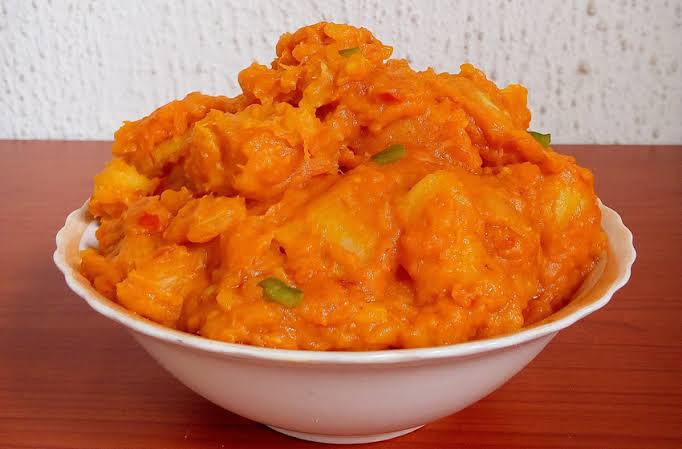
Nsala Soup, also known as White Soup, is a light and flavorful soup from the Igbo people of southeastern Nigeria. Unlike many Nigerian soups made with palm oil, Nsala is prepared without it, giving it a lighter color—hence the name “white.” It is traditionally made with catfish and thickened with yam, producing a silky, aromatic broth.
🌍 Origin & Cultural Significance
Nsala Soup is a specialty of the Igbo of Anambra, Enugu, and Delta States.
- It is considered comfort food, especially during the rainy season.
- The soup is strongly associated with nursing mothers, as it is believed to restore strength after childbirth.
- Traditionally, it is made with freshly caught catfish, giving it a rich and distinct taste.
🛒 Ingredients (Classic Version)
- 🐟 Fresh catfish (or goat meat for variation)
- 🌱 Pounded yam or yam flour (as thickener)
- 🦐 Crayfish (ground)
- 🧄 Onions
- 🌶️ Scotch bonnet peppers
- 🧂 Seasoning cubes, salt
- 🌿 Utazi leaves (for a slight bitter note)
- 🍋 Optional: uziza seeds (for spice depth)
👩🏾🍳 How It’s Prepared
- Prepare catfish (wash with hot water to remove slime).
- Boil yam pieces, then pound into a smooth paste.
- In a pot, cook catfish with onions, pepper, and seasonings.
- Add pounded yam paste gradually to thicken the broth.
- Stir in ground crayfish for richness.
- Finish with utazi leaves for a balanced, slightly bitter touch.
🍴 How It’s Eaten
Nsala Soup is traditionally served with:
- Pounded yam (most classic pairing)
- Eba (garri)
- Fufu
- Semovita
The silky broth and light texture make it especially satisfying with smooth swallows.
🔄 Variations
- Chicken Nsala – made with chicken instead of fish, common in urban households.
- Goat Meat Nsala – richer and more filling.
- Uziza Nsala – spiced with uziza seeds for a stronger aroma.
🎉 Why Nsala Soup is Special
Nsala Soup is unique among Igbo soups because of its absence of palm oil, giving it a light, comforting flavor. Its cultural role in childbirth and family gatherings makes it more than just food—it is medicine, tradition, and comfort in a bowl.
📌 Fun Fact: In traditional Igbo communities, Nsala is almost always made with live catfish to ensure maximum freshness and authentic taste.










Related Posts
Stay Informed With the Latest & Most Important News
Previous Post
Next Post

Advertisement