
Now Reading: Och’Idoma of Idoma: Paramount Ruler of the Idoma Nation
1
-
01
Och’Idoma of Idoma: Paramount Ruler of the Idoma Nation

Och’Idoma of Idoma: Paramount Ruler of the Idoma Nation


Historical Background
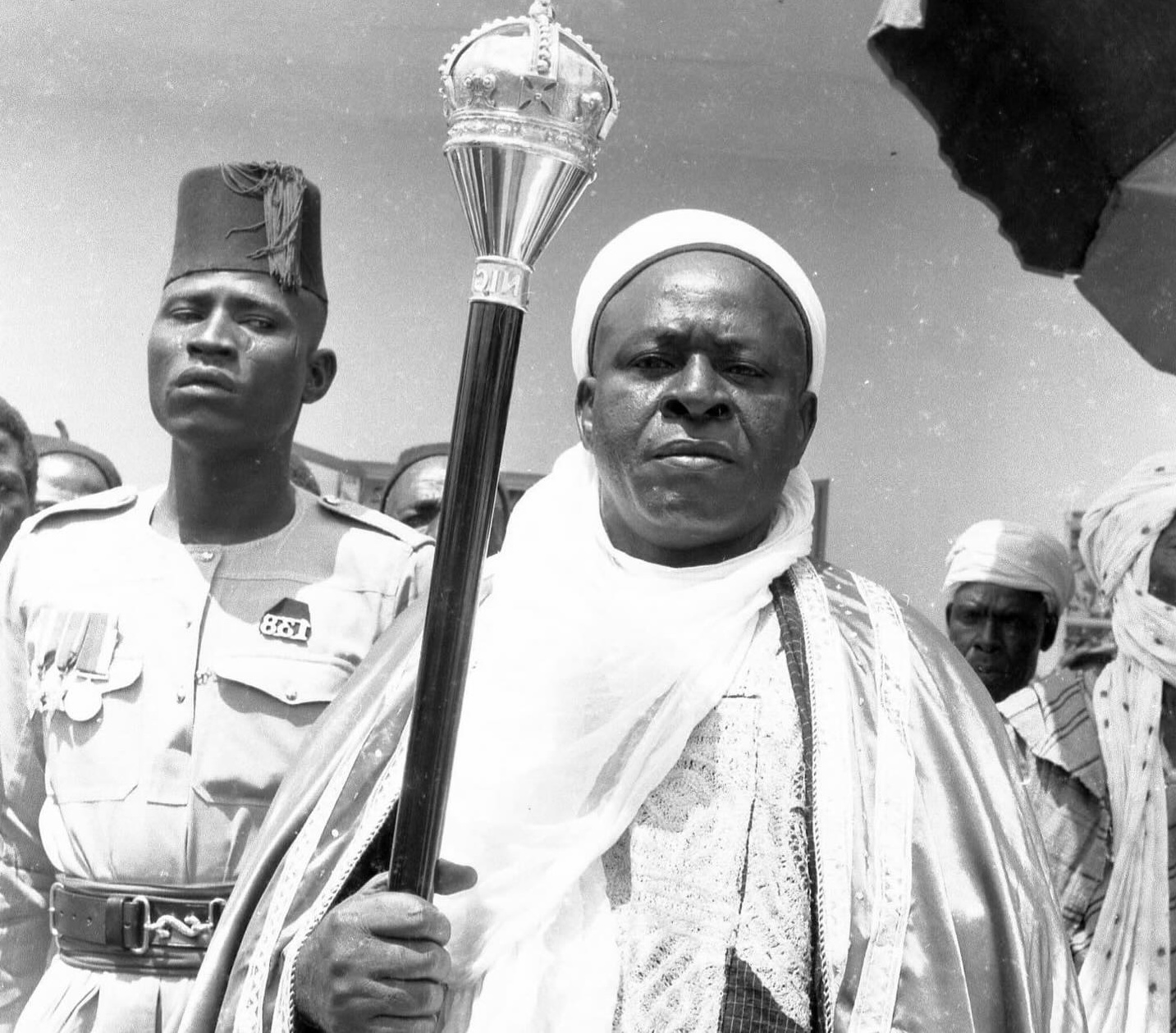
The Och’Idoma is the supreme traditional ruler of the Idoma people, based in Otukpo, Benue State, Nigeria.
- The institution was formally created in 1947 by colonial authorities to unify the Idoma under a central monarchy, similar to the Tor Tiv among the Tiv.
- The title Och’Idoma translates as “King of Idoma”.
- The Och’Idoma represents the ancestral, spiritual, and cultural identity of the Idoma nation, the second-largest ethnic group in Benue State.
Role and Authority
- Cultural Custodian: Preserves Idoma traditions, language, and festivals.
- Spiritual Head: Seen as the father of all Idoma people, symbol of their unity.
- Mediator: Plays a key role in resolving disputes and fostering peace.
- National Statesman: Represents the Idoma in councils of traditional rulers across Nigeria.
Palace and Seat
- The Och’Idoma resides in Otukpo, considered the cultural and administrative headquarters of the Idoma nation.
Notable Och’Idoma
Abraham Ajene Okpabi (1947–1995)
- The first Och’Idoma, who reigned for nearly 50 years, consolidating the institution.
Elias Ikoyi Obekpa (1996–2021)
- The 4th Och’Idoma, respected for his long reign of 25 years.
Agabaidu John Elaigwu Odogbo (2021–present)
- Installed on 30 December 2021 as the 5th Och’Idoma after the passing of Obekpa.
- Born in 1969, he is an academic, leadership expert, and clergyman.
- Holds degrees in Peace and Conflict Studies, Public Administration, and Christian Leadership.
Reign of Och’Idoma John Elaigwu Odogbo
Intellectual and Spiritual Leadership
- Combines scholarship, spirituality, and tradition.
- A retired pastor of the Deeper Life Bible Church, he brings a Christian spiritual background into his reign.
Development and Peace
- Advocates for unity among Idoma people in Benue and beyond.
- Promotes education, peacebuilding, and economic empowerment.
- Works to bridge gaps between traditional rulership and modern governance.
National Role
- Member of the Benue State Council of Traditional Rulers and the National Council of Traditional Rulers of Nigeria.
- Represents the Idoma voice in regional and national affairs.
Cultural Role
- Presides over Idoma cultural events such as the Alekwu Festival, which celebrates ancestral spirits and identity.
- Encourages preservation of Idoma music, dance, and oral history.
Legacy and Significance (So Far)
- Symbolizes the unity of over 2 million Idoma people in Nigeria and the diaspora.
- Represents the resilience of the Idoma monarchy in modern Nigeria.
- Och’Idoma Odogbo’s reign is positioning the throne as a platform for education, spirituality, and cultural renewal.
Conclusion
The Och’Idoma of Idoma is more than a monarch — he is the living father of the Idoma people, custodian of culture, and a unifying force for his nation. From Abraham Ajene Okpabi in 1947 to John Elaigwu Odogbo today, the Och’Idoma throne remains a beacon of identity, spirituality, and pride for the Idoma nation in Benue and beyond.










Related Posts


Stay Informed With the Latest & Most Important News
Previous Post
Next Post

Advertisement

Donations







Loading Next Post...


