Send Money to Nigeria
Remittances · Fintech · Exchange Rates · Mobile Money
Explore the massive remittance economy of Nigeria, where the global diaspora sends billions of dollars home annually, driving economic growth and fueling a booming fintech revolution.

The financial lifeline of
the Nation
With an estimated 15 million citizens living abroad, the Nigerian diaspora represents a colossal economic force. Every year, remittances to Nigeria exceed $20 billion, making it one of the top ten highest remittance-receiving nations globally. This capital inflow serves as a critical lifeline for millions of families, paying for education, healthcare, and real estate, while simultaneously providing the country with essential foreign exchange.
Historically, sending money to Nigeria was dominated by traditional International Money Transfer Operators (IMTOs) and informal, expensive channels. Today, the landscape has been entirely disrupted by the Fintech revolution. Digital disruptors have drastically lowered fees, improved exchange rates, and enabled instant transfers directly to local bank accounts and mobile wallets.
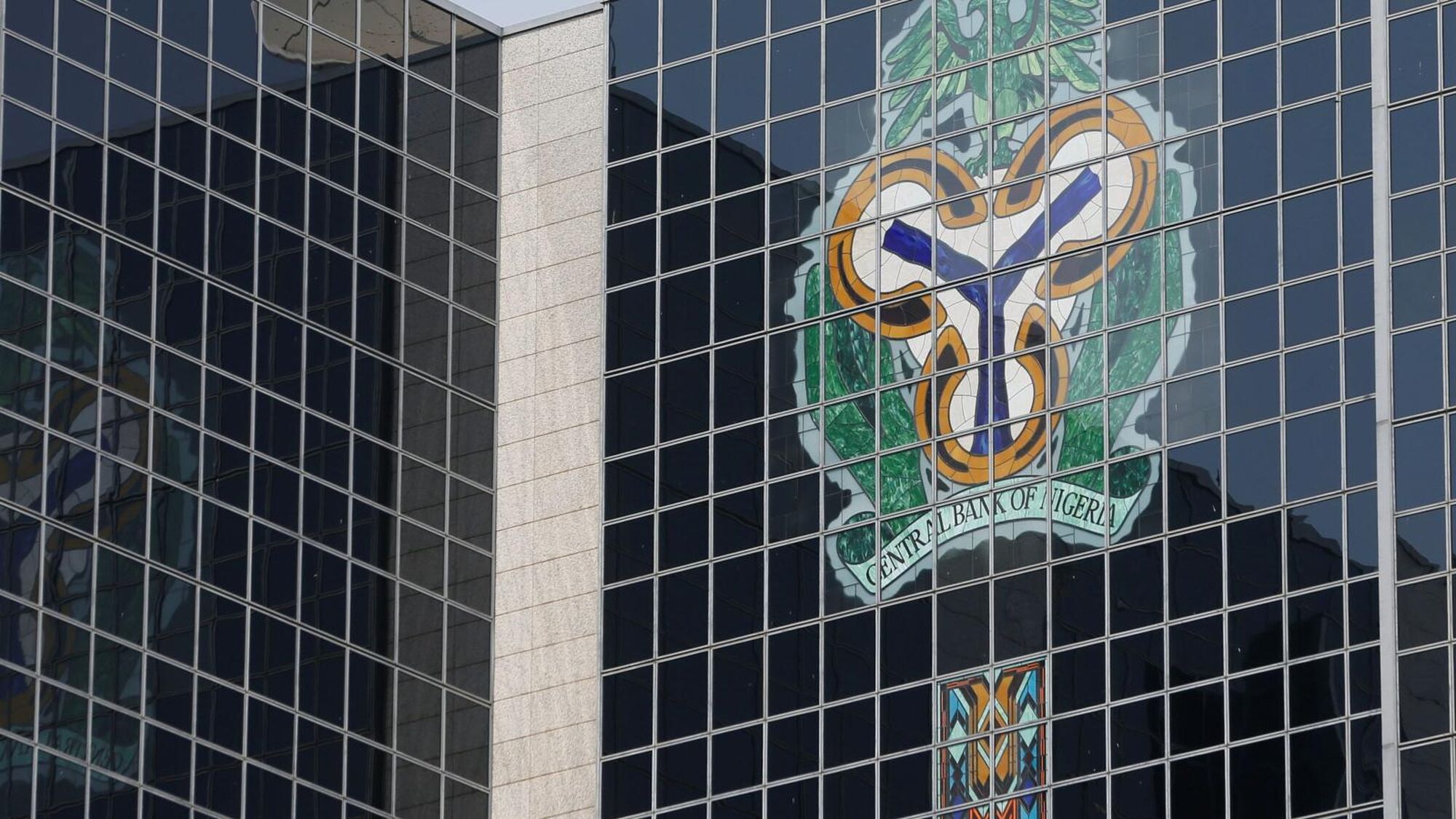
Regulated by the Central Bank of Nigeria (CBN), the remittance market is continuously evolving. Recent policy shifts, including allowing IMTOs to pay out in Naira at market-determined rates, have aimed to ease friction, formalize inflows, and combat the parallel (black) market.
- Digital Apps: Sendwave, LemFi, Remitly, and WorldRemit offering low-fee, instant bank deposits.
- Traditional IMTOs: Western Union and MoneyGram for physical cash pick-ups.
- Bank Transfers: Direct wire transfers via SWIFT (often slower and costlier).
- P2P/Crypto: Utilizing stablecoins (USDT/USDC) to bypass banking friction and secure premium rates.
Economic Impact
A numerical look at diaspora financial inflows
Methods of Transfer
How capital moves across borders

The majority of modern remittances to Nigeria are now initiated on smartphones, bridging global distances instantly.
| United States (USA) | The largest single source of remittances to Nigeria, driven by a highly educated and professional diaspora base. |
|---|---|
| United Kingdom (UK) | A historic and massive corridor, heavily reliant on instant digital fintech transfers. |
| Canada | A rapidly growing corridor due to recent surges in Nigerian skilled migration (Japa wave). |
| United Arab Emirates | A major source of commercial and personal remittances from the Middle East. |
| Rest of Europe | Significant inflows from countries like Germany, Italy, and Ireland. |
Policies & Economics
Understanding the mechanics behind the money
The Central Bank of Nigeria (CBN) strictly regulates International Money Transfer Operators (IMTOs). In recent years, policies have shifted dynamically—from mandating only USD payouts to allowing Naira payouts at market-determined, floating exchange rates, aiming to unify the official and parallel FX markets and formalize diaspora inflows.
Historically, sending money to Africa was plagued by exorbitant fees (often exceeding 8%). The rise of African-founded fintechs like LemFi and Sendwave sparked a price war, pushing fees toward zero. These platforms monetize through competitive foreign exchange spreads, making it cheaper and faster for the diaspora to send money home.
While a massive portion of remittances goes toward basic family upkeep (food, healthcare, school fees), the diaspora is increasingly directing funds into investments. Real estate development in cities like Lagos and Abuja, alongside direct venture capital funding into Nigerian startups, are heavily fueled by diaspora capital.
To bypass traditional banking bottlenecks and secure the absolute best exchange rates, many Nigerians have turned to cryptocurrency. Using stablecoins (like USDT or USDC) and Peer-to-Peer (P2P) exchanges, users can instantly move value across borders, completely circumventing traditional financial rails.
Transfer Comparisons
Analyzing speed, cost, and delivery
| Method | Speed | Cost / Fees |
|---|---|---|
| Digital Apps (e.g., Sendwave) | Instant (Minutes) | Low to Zero (Monetizes via FX spread) |
| Legacy IMTOs (e.g., Western Union) | Minutes to Days | Moderate to High (Tiered fees) |
| Crypto / P2P | Instant (Minutes) | Very Low (Network fees only) |
| Bank Wire (SWIFT) | 2 - 5 Business Days | High (Fixed wire transfer fees) |
| Payout Method | Availability |
|---|---|
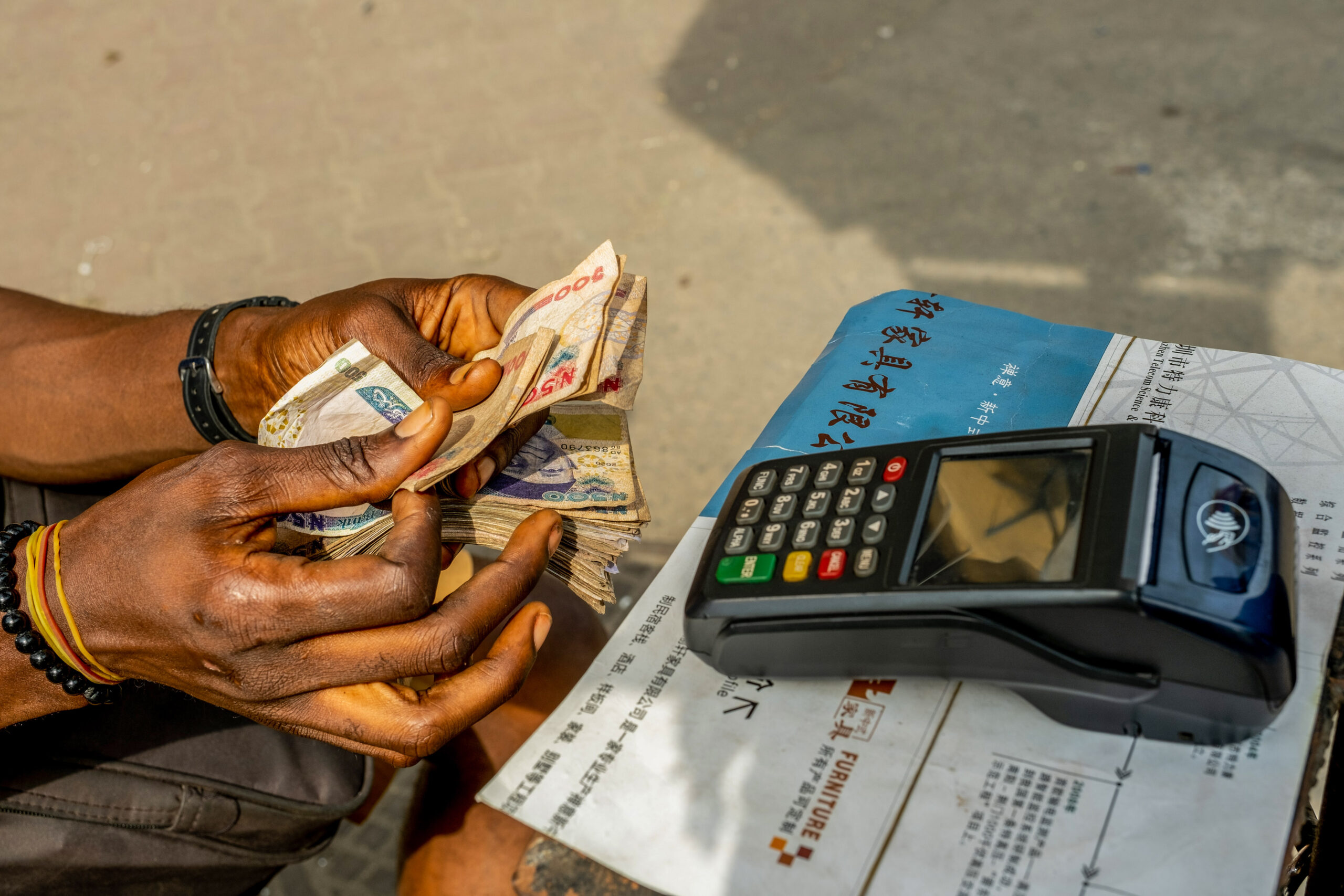
| Direct to Bank Account (NGN) | Most common. Settled instantly via NIBSS infrastructure. |
| Mobile Money Wallets | Growing rapidly (e.g., OPay, Palmpay wallets). |
| Cash Pick-up (NGN/USD) | Available at bank branches and IMTO agent locations. |
| Domiciliary Accounts (USD) | Direct deposit into local foreign currency accounts. |
Economic Data
See also & internal links
Go deeper