The Economy of Nigeria
GDP · Oil & Gas · Agriculture · Tech & Fintech
Discover the mechanics of Africa's largest consumer market, charting its ongoing transition from oil dependence toward a diversified powerhouse driven by services, agriculture, and digital innovation.
A market of
immense scale
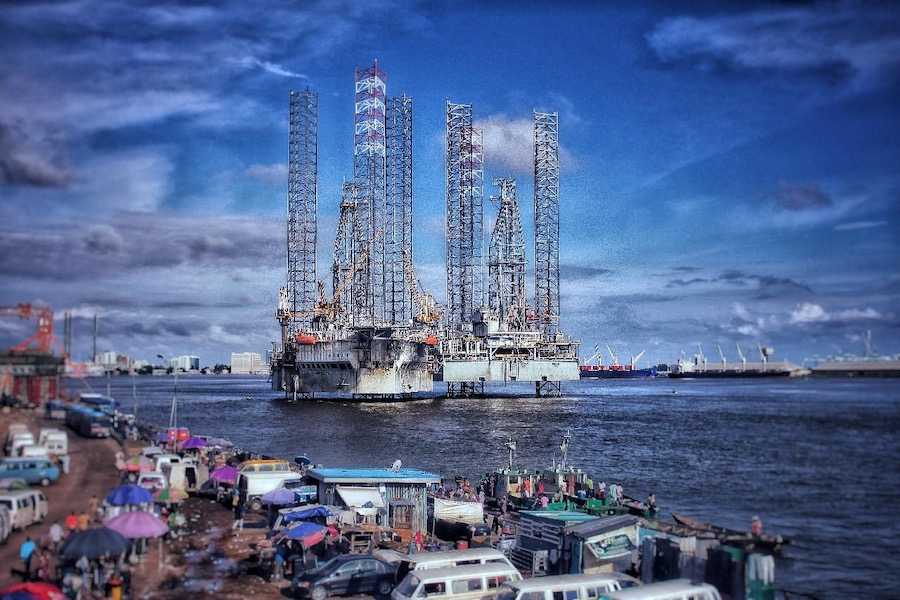
The Nigerian Economy is characterized by a massive domestic consumer market, abundant natural resources, and a dynamic, youthful workforce. While historically an agrarian society, the discovery of crude oil in the late 1950s transformed the nation's fiscal landscape, leading to decades of heavy reliance on petroleum exports for foreign exchange earnings.
Today, the nation is undergoing a structural transformation. Although oil and gas remain critical to government revenue, the Services sector—particularly telecommunications, banking, and fintech—now constitutes the largest share of the Gross Domestic Product (GDP). Lagos has emerged as the premier technology hub of the continent, producing multiple "unicorn" startups.
Despite its vast potential, the economy faces persistent macroeconomic headwinds. Challenges such as infrastructure deficits, inconsistent power supply, high inflation rates, and currency volatility require ongoing fiscal reforms and aggressive pushes toward industrialization and import substitution.
- Energy & Mining: Crude oil, natural gas (LNG), and solid minerals.
- Digital Economy: Fintech, e-commerce, and software development.
- Agriculture: Cocoa, sesame, cashew nuts, and domestic food production.
- Trade & Infrastructure: Seaports, railways, and AfCFTA integration.
Economic indicators
Understanding the scale of the market
Drivers of Growth
The industries powering the Nigerian market
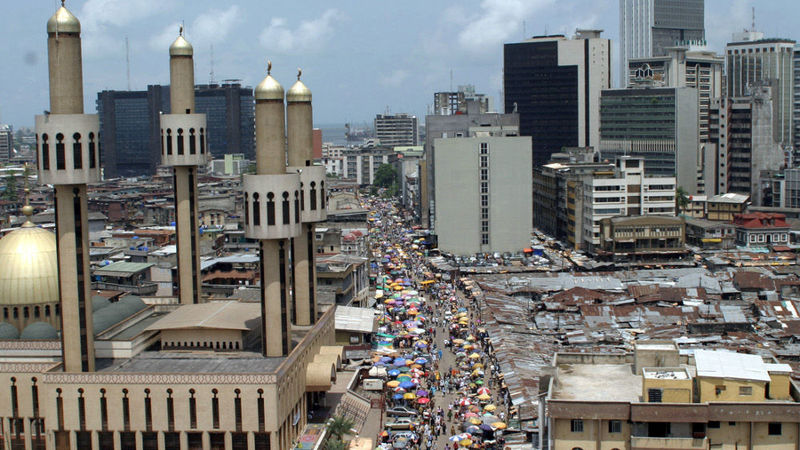
The bustling commercial centers and infrastructure projects defining Nigeria's economic expansion.
| CBN | Central Bank of Nigeria (Monetary policy, currency management) |
|---|---|
| Min. of Finance | Federal Ministry regulating fiscal policy and budgeting |
| NBS | National Bureau of Statistics (Official economic data) |
| FIRS | Federal Inland Revenue Service (Taxation) |
| SEC | Securities and Exchange Commission (Capital markets) |
| NNPC Ltd. | Nigerian National Petroleum Company Limited |
| NIPC | Nigerian Investment Promotion Commission (FDI facilitation) |
Structural Insights
Key narratives shaping the financial landscape
Despite being one of the world's top crude oil producers, Nigeria historically imported most of its refined petroleum products due to dilapidated state refineries. The recent launch of the privately-owned Dangote Refinery (650k bpd) marks a monumental shift intended to ensure domestic fuel security and save foreign exchange.
Driven by a young, mobile-first population, Nigeria's fintech sector has exploded. Startups are solving complex challenges in payment gateways, lending, and banking the unbanked. This sector attracts the lion's share of African Venture Capital (VC) funding and positions Lagos as a premier global tech hub.
The primary bottleneck to industrialization is infrastructure. The national power grid struggles to meet demand, forcing businesses to rely on expensive diesel generators. However, massive ongoing investments in deep-sea ports (Lekki), rail networks (Lagos-Kano), and bridges aim to drastically cut logistics costs.
As a signatory to the African Continental Free Trade Area (AfCFTA), Nigeria aims to leverage its massive manufacturing potential and strategic location to become the primary exporter of manufactured goods and services to the rest of the continent, moving away from simple resource extraction.
Trade & Indicators
Placeholder tables for official economic metrics
| Category | Top Nations | Primary Goods |
|---|---|---|
| Exports (Destinations) | India, Spain, US, France | Crude Oil, LNG |
| Exports (Non-Oil) | Netherlands, China, Japan | Cocoa, Sesame, Cashews |
| Imports (Origins) | China, Belgium, India, US | Machinery, Refined Fuel |
| Regional Trade | ECOWAS Nations | Manufactured goods, Food |
| Indicator | Metric | Source |
|---|---|---|
| GDP (Nominal) | To confirm | World Bank / NBS |
| GDP Real Growth Rate | To confirm | NBS |
| Inflation Rate | To confirm | Central Bank (CBN) |
| Monetary Policy Rate | To confirm | Central Bank (CBN) |
| Unemployment Rate | To confirm | NBS |
Economic Data
See also & internal links
Go deeper