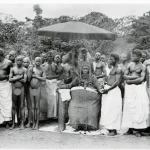
Yoruba people of Nigeria
The Yoruba People
Culture · History · Ife · Global Influence
Explore the rich heritage of the Yoruba people, one of Africa’s largest and most influential ethnic groups, renowned for their ancient kingdoms, vibrant arts, and profound impact on global culture.
Heirs of
Oduduwa
The Yoruba people are a major ethnic group primarily inhabiting southwestern Nigeria, alongside significant populations in neighboring Benin and Togo. With a highly urbanized pre-colonial history, the Yoruba built some of the most sophisticated and powerful city-states in West African history, most notably the ancient city of Ile-Ife and the formidable Oyo Empire.
According to Yoruba mythology, Ile-Ife is the cradle of civilization, founded by the ancestral patriarch Oduduwa. From this spiritual center, Oduduwa’s descendants spread out to establish various distinct but culturally united kingdoms, leading to a rich tapestry of dialects and local traditions bound by a shared identity.
Today, the Yoruba are renowned globally for their complex traditional religion (centered around a pantheon of deities known as Orishas), their highly developed arts (including the famous Ife bronzes), and their massive impact on modern culture, heavily influencing Afro-diasporic religions in the Americas and the booming global Afrobeats music scene.
- Language: A highly tonal language with numerous dialects, unified by a standard form.
- Urbanism: Historically organized into highly developed, walled city-states.
- Religion: A harmonious blend of Christianity, Islam, and the traditional Ifá belief system.
- Respect (Omoluabi): A cultural philosophy emphasizing good character, respect for elders, and community responsibility.
Demographics & Scale
Understanding the group’s footprint
Explore the Heritage
The defining aspects of Yoruba identity
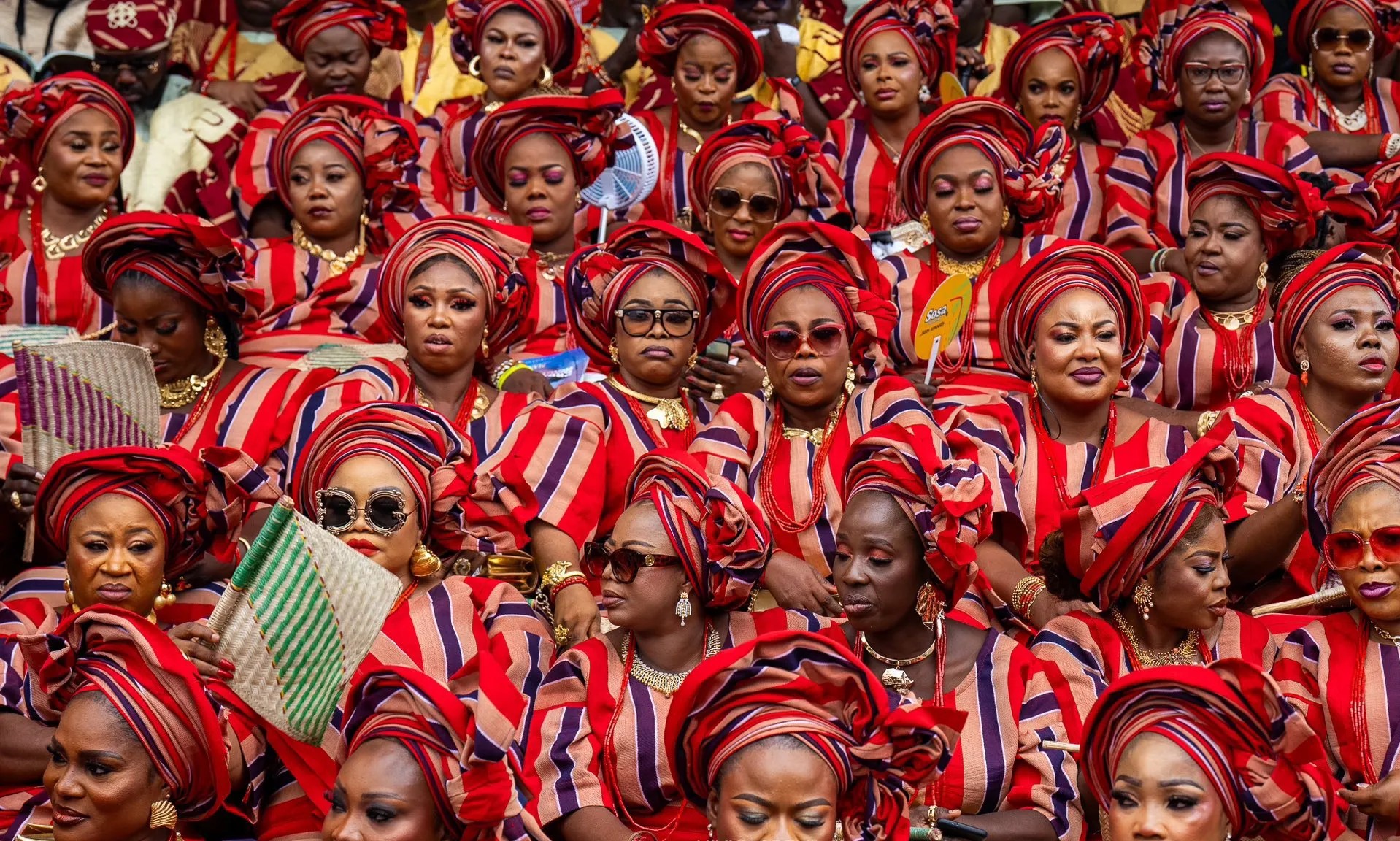
A vibrant display of Yoruba culture during a traditional festival, showcasing rich textiles, energetic dancing, and community unity.
| Olodumare | The Supreme Creator; distant, all-powerful, and typically not directly worshipped but acknowledged above all. |
|---|---|
| Sango (Shango) | The Orisha of thunder, lightning, and justice. A legendary historical King of the Oyo Empire. |
| Ogun | The Orisha of iron, war, and labor. Patron of blacksmiths, drivers, and technologists. |
| Osun (Oshun) | The Orisha of the river, fertility, beauty, and love. Celebrated annually at the Osun-Osogbo festival. |
| Obatala | The creator of human bodies, representing purity, ethics, and light. |
| Esu (Eshu) | The divine messenger and trickster. The intermediary between the Orishas and humanity. |
Society & Modernity
How ancient traditions blend with the modern world
Yoruba society is highly structured around the monarchy. The king, known as the Ọba, is considered a sacred figure. Highly revered titles include the Ooni of Ife (the spiritual head of the Yoruba), the Alaafin of Oyo, the Awujale of Ijebu, and the Oba of Lagos. Today, they wield immense cultural and political influence alongside the modern democratic government.
Unlike many pre-colonial African societies that were primarily agrarian and decentralized, the Yoruba lived in massive, densely populated, and heavily fortified urban centers. This legacy continues today, with southwestern Nigeria containing the highest concentration of major cities in the country, including the megacity of Lagos, Ibadan, and Abeokuta.
Yoruba language, slang, and aesthetics form a massive part of Nigeria’s global soft power. The early days of Nollywood were heavily driven by Yoruba traveling theater troupes. Today, global Afrobeats music is deeply infused with Yoruba rhythms, language, and cultural references, popularized by artists who often sing in a blend of English, Pidgin, and Yoruba.
Central to Yoruba culture is the concept of Omoluabi. It describes a person of good character, honoring traits like respect for elders, hard work, honesty, and community spirit. It dictates social etiquette, emphasizing that true wealth and status come from moral integrity rather than just material success.
Kingdoms & Textiles
A guide to traditional heritage
| Kingdom / City | Significance |
|---|---|
| Ile-Ife | The spiritual heartland and mythological origin point of the Yoruba people. |
| Oyo Empire | The dominant political and military force from the 17th to the 19th centuries. |
| Benin Empire (Edo) | While distinct, it shares deep historical and dynastic ties with Ife. |
| Ijebu | A powerful mercantile kingdom known for trade and wealth. |
| Egba (Abeokuta) | A confederation of independent towns known for their resistance against Dahomey. |
| Textile Type | Description / Use |
|---|---|
| Aso Oke | A premium, hand-woven cloth worn for major celebrations (weddings, naming ceremonies). |
| Adire | Indigo-dyed cloth featuring resist-dyeing techniques and intricate, meaningful patterns. |
| Iro and Buba | The traditional female attire (wrapper and blouse), usually completed with a Gele (headtie). |
| Agbada | The traditional, flowing wide-sleeved robe worn by men for formal occasions. |