Now Reading: Nigeria’s Foreign Relations: Partnerships with the U.S., China, and the EU
-
01
Nigeria’s Foreign Relations: Partnerships with the U.S., China, and the EU

🇳🇬 Introduction
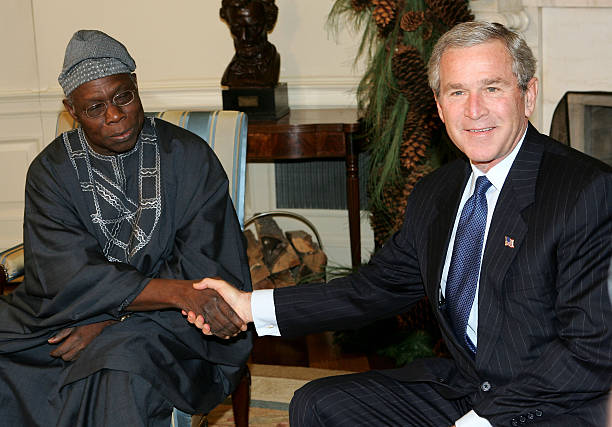
Nigeria, Africa’s largest economy and most populous nation, is a strategic player on the global stage. Its foreign relations are shaped by its oil wealth, security needs, and growing influence. Among its key partners are the United States, China, and the European Union (EU). Each relationship offers opportunities and challenges that impact Nigeria’s development and diplomacy.
🤝 Nigeria–U.S. Relations
📜 Historical Ties
- Diplomatic relations established in 1960, the year Nigeria gained independence.
- The U.S. has long supported Nigeria in democratic governance, security, and trade.
🛡️ Security Cooperation
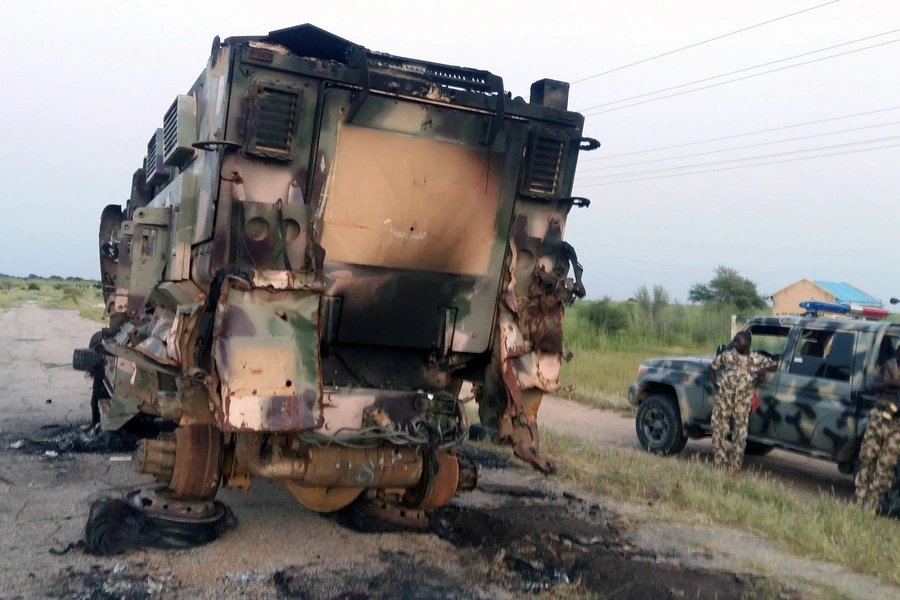
- The U.S. provides military training and intelligence for Nigeria’s fight against Boko Haram and ISWAP.
- Recent sales of fighter jets (A-29 Super Tucano aircraft) strengthened Nigeria’s counterterrorism capacity.
💼 Trade & Investment
- The U.S. imports Nigerian oil, though volumes have decreased due to America’s shale boom.
- Programs like AGOA (African Growth and Opportunity Act) boost Nigerian exports of textiles and agricultural goods.
🎓 Education & People-to-People Ties
- Nigeria sends one of the largest groups of African students to U.S. universities.
- Cultural and diaspora ties enhance cooperation.
🏗️ Nigeria–China Relations
📜 Rapid Expansion
- Relations deepened in the 2000s with China’s “Go Global” policy.
- China is now one of Nigeria’s largest trading partners.
🏗️ Infrastructure Development
- Chinese firms finance and build railways, roads, airports, and power projects.
- Example: The Abuja-Kaduna railway and Lagos-Ibadan standard gauge line.
💰 Trade & Investment
- Nigeria exports crude oil to China.
- Imports from China include electronics, machinery, and consumer goods.
⚖️ Concerns
- Rising trade imbalance favors China.
- Some Nigerians worry about debt dependency and lack of local job creation in Chinese projects.
🇪🇺 Nigeria–European Union Relations
📜 Historical Roots
- Relations trace back to the Cotonou Agreement, linking the EU with African, Caribbean, and Pacific (ACP) countries.
- The EU is a major development partner for Nigeria.
💼 Trade & Economy
- The EU is one of Nigeria’s largest export markets for oil and agricultural products.
- Talks continue around the Economic Partnership Agreement (EPA) between the EU and West Africa.
🌍 Development & Humanitarian Aid
- The EU funds projects in healthcare, education, governance, and renewable energy.
- Provides aid for humanitarian crises in Northern Nigeria (IDPs, food insecurity).
🛡️ Security Collaboration
- The EU supports Nigeria in maritime security, anti-piracy efforts in the Gulf of Guinea, and counter-terrorism.
⚖️ Balancing Global Partnerships
Nigeria’s strategy is one of non-alignment and diversification:
- With the U.S., Nigeria prioritizes security, democracy, and education.
- With China, it focuses on infrastructure and trade.
- With the EU, it emphasizes development aid, governance, and energy cooperation.
This multi-faceted diplomacy reflects Nigeria’s effort to maximize benefits while maintaining sovereignty.
✅ Conclusion
Nigeria’s partnerships with the U.S., China, and EU highlight its importance as a regional leader and global actor. Each partner brings unique strengths and challenges. For Nigeria, the goal is to harness these relationships for economic growth, security, and sustainable development.
🌍 As global power shifts, Nigeria’s ability to balance East and West will shape its role in international affairs.










Related Posts

Stay Informed With the Latest & Most Important News
Previous Post
Next Post
Previous Post
Next Post

Advertisement