Now Reading: The Lagoons of Nigeria: Nature’s Waterways and Economic Lifelines
-
01
The Lagoons of Nigeria: Nature’s Waterways and Economic Lifelines
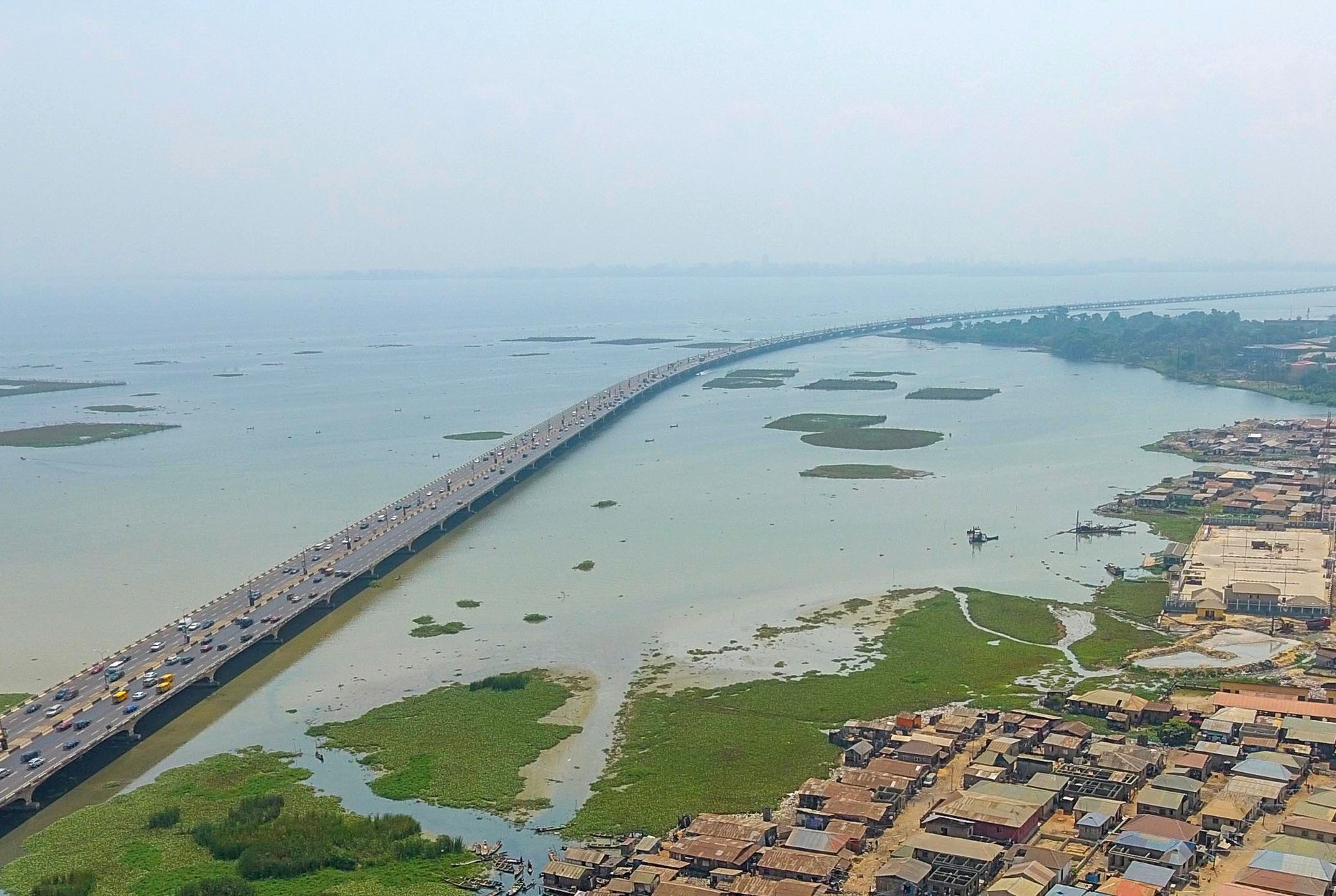


Nigeria is a country blessed with diverse water bodies — rivers, lakes, creeks, and lagoons. Among these, lagoons stand out as unique ecosystems that combine natural beauty with economic and cultural significance. Spread across the coastal regions, Nigeria’s lagoons are not just scenic landscapes; they are crucial for fisheries, transport, tourism, and urban development.
📌 What is a Lagoon?
A lagoon is a shallow body of water separated from the ocean by barrier islands, sandbars, or reefs. Lagoons usually have brackish water (a mixture of saltwater and freshwater) and are influenced by tides, rainfall, and river inflows. In Nigeria, lagoons are mostly found along the Atlantic coastline, stretching from Lagos State through Ogun and Ondo to the Niger Delta.
📌 Major Lagoons of Nigeria
1. Lagos Lagoon
- The largest and most famous lagoon in Nigeria, covering about 50 km in length and up to 13 km in width.
- Bordered by Lagos Island, Victoria Island, Ikorodu, and the Lekki Peninsula.
- Connected to the Atlantic Ocean through the Lagos Harbour.
- Plays a central role in transportation, fishing, sand dredging, and urban life in Lagos State.
- Despite its economic importance, it suffers from pollution and over-exploitation.
2. Lekki Lagoon
- Located to the east of Lagos Lagoon, along the Lekki Peninsula.
- Known for its rich biodiversity — fish, crabs, crocodiles, and migratory birds.
- Fishing is the main economic activity for surrounding communities.
- Increasingly targeted for tourism and eco-resorts, though urban expansion poses threats.
3. Ologe Lagoon
- Found in the Badagry area of Lagos State.
- Surrounded by mangroves and freshwater swamps.
- Important for local fishing communities and transport routes.
- Relatively less urbanized than Lagos Lagoon, but still under environmental pressure.
4. Epe Lagoon
- Located near the town of Epe, Lagos State.
- Known for its abundant fish markets — Epe is one of the busiest fishing hubs in southern Nigeria.
- Also used for transport, especially for small boats linking communities.
5. Mahin Lagoon
- Located in Ondo State, stretching into Ilaje and Ese Odo areas.
- A long and narrow lagoon connected to creeks and the Atlantic coast.
- Supports fishing, canoe transport, and mangrove ecosystems.
6. Other Lagoons
- Numerous smaller lagoons exist, especially in the Niger Delta region, where rivers meet the Atlantic.
- Examples include Ijebu Waterside lagoons and lagoons around Warri and Bonny.
📌 Importance of Nigeria’s Lagoons
🌱 Ecological Significance
- Home to mangroves, wetlands, and aquatic life.
- Serve as breeding grounds for fish and other marine species.
- Provide a buffer against flooding and coastal erosion.
🛶 Economic Role
- Vital for fisheries — supplying Lagos and beyond with seafood.
- Used for transportation of people and goods in riverine areas.
- Support industries like sand dredging, logging, and aquaculture.
🏙️ Urban & Cultural Importance
- Lagos Lagoon gave its name to Nigeria’s most populous city.
- Waterfronts around lagoons are now hubs of real estate and tourism.
- Cultural festivals and fishing traditions are tied to lagoon communities.
📌 Challenges Facing Nigerian Lagoons
- Pollution: Industrial waste, plastic, and oil spills are degrading water quality.
- Overfishing: Traditional fishermen face dwindling catches.
- Urbanization: Land reclamation and real estate projects reduce lagoon size.
- Climate Change: Rising sea levels threaten lagoon ecosystems.
📌 The Future of Nigeria’s Lagoons
For lagoons to remain a source of life and culture, Nigeria needs to:
- Strengthen environmental regulations.
- Promote eco-tourism while protecting biodiversity.
- Support sustainable fishing practices.
- Integrate lagoons into urban planning in Lagos and coastal states.
✅ Conclusion
Nigeria’s lagoons are more than bodies of water — they are living ecosystems, economic lifelines, and cultural landmarks. From the bustling Lagos Lagoon to the tranquil Mahin Lagoon, these waterways reflect the delicate balance between nature, people, and development. Preserving them is not only vital for the environment but also for the prosperity of millions who depend on them.










Related Posts

Stay Informed With the Latest & Most Important News
Previous Post
Next Post
Previous Post

Next Post

Advertisement