
Now Reading: Ohinoyi of Ebiraland: Paramount Ruler of the Ebira People
1
-
01
Ohinoyi of Ebiraland: Paramount Ruler of the Ebira People
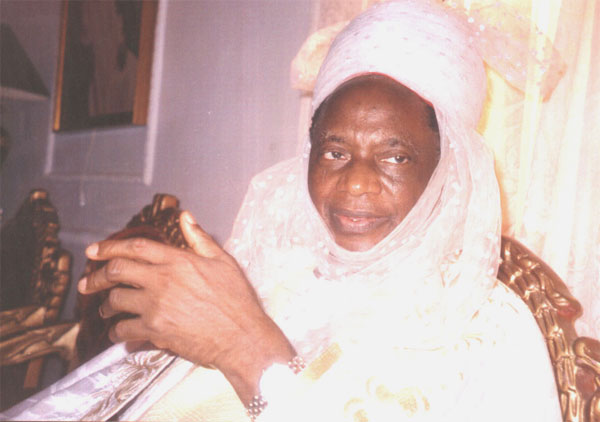
Ohinoyi of Ebiraland: Paramount Ruler of the Ebira People

Historical Background
The Ohinoyi of Ebiraland is the supreme monarch of the Ebira people, an important ethnic group in Kogi State, Nigeria.
- The title Ohinoyi means “father of the land” in Ebira language.
- The Ebira trace their origins to migration waves from the Jukun and Kwararafa confederacies centuries ago.
- Traditionally, the Ebira practiced a republican, clan-based system, but the Ohinoyi institution was strengthened in the colonial era to unify the people under a paramount ruler.
- Today, the Ohinoyi throne symbolizes cultural pride, political leadership, and unity among the Ebira.
Role and Authority
- Cultural Custodian: Preserves Ebira festivals, traditions, and language.
- Spiritual Leader: Seen as the father and ancestral representative of Ebira people.
- Mediator: Plays a central role in conflict resolution in Kogi State.
- National Statesman: Represents the Ebira in the National Council of Traditional Rulers of Nigeria.
Palace and Seat
- The Ohinoyi resides in Okene, the cultural and political heart of Ebiraland.
- The Azad Palace of Okene is renowned for its beauty and has been described as one of the most magnificent traditional palaces in Nigeria.
Notable Ohinoyis
Ibrahim Onoruoiza (1917–1954)
- One of the early Ohinoyis during colonial Nigeria.
Alhaji Muhammed Sani Omolori (1957–1997)
- Longest-serving Ohinoyi, respected for consolidating Ebira unity.
Alhaji Dr. Ado Ibrahim (1997–2023)
- The 4th Ohinoyi of Ebiraland, reigned for over 25 years until his passing in October 2023.
- A successful businessman and industrialist before becoming king.
- Modernized the throne and strengthened the global identity of the Ebira people.
Current Ohinoyi: Ahmed Tijani Muhammed Anaje (2023–present)
- Installed on 5 January 2024 as the 5th Ohinoyi of Ebiraland, after the passing of Ado Ibrahim.
- A respected community leader chosen to continue the legacy of unifying Ebira people.
- His reign is expected to focus on peacebuilding, development, and youth empowerment.
Cultural Role
- Presides over Echane and Eche Ori festivals, which celebrate Ebira traditions and spiritual heritage.
- Promotes Ebira masquerades (Ekuechi), famous for their colorful costumes and songs.
- Encourages the younger generation to value the Ebira language and customs.
Legacy and Significance
- The Ohinoyi throne is a symbol of unity and continuity for the Ebira people.
- The late Dr. Ado Ibrahim elevated the throne to international recognition, while the new Ohinoyi continues to consolidate peace and progress.
- The palace stands as a cultural landmark, reflecting Ebira creativity and pride.
Conclusion
The Ohinoyi of Ebiraland is more than a traditional ruler — he is the living father of the Ebira nation, custodian of their history, and a voice of peace in Nigeria’s Middle Belt. From Ibrahim Onoruoiza to Ahmed Tijani Muhammed Anaje today, the Ebira throne continues to embody unity, resilience, and cultural pride.










Related Posts

Stay Informed With the Latest & Most Important News
Previous Post
Next Post
Advertisement

Donations






Loading Next Post...


