
Now Reading: Alhaji Abubakar Umar Suleiman: Emir of Bade
1
-
01
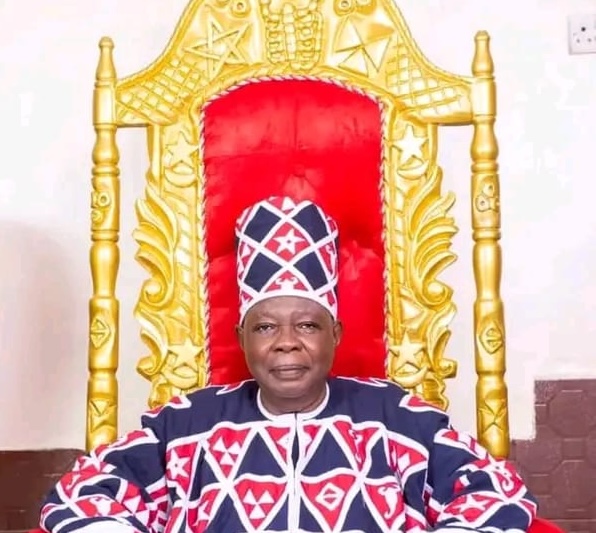
Alhaji Abubakar Umar Suleiman: Emir of Bade


Early Life and Background
Alhaji Abubakar Umar Suleiman was born in 1950 in Gashua, Yobe State, Nigeria.
- He is a descendant of the Mai Bade dynasty, custodians of the Bade Emirate for generations.
- Grew up immersed in both Islamic scholarship and traditional heritage of the Bade people.
Education
- Attended primary and secondary schools in Northern Nigeria, excelling in studies.
- Pursued higher education in administration, preparing for public service.
- Completed both Islamic and Western training, giving him a strong foundation for leadership.
Career Before Ascension
- Worked as a civil servant in the Yobe State and Borno State administrations.
- Served in various capacities, including community development, administration, and traditional council advisory roles.
- Known for his discipline, integrity, and commitment to service before becoming Emir.
Ascension to the Throne
- In November 1993, following the passing of the previous Emir, Alhaji Abubakar Umar Suleiman was selected and installed as the Mai Bade (Emir of Bade).
- Since then, he has served as one of Yobe State’s longest-reigning monarchs.
Reign and Leadership
Custodian of Tradition
- Presides from the Emir’s Palace in Gashua, maintaining the cultural dignity of the Bade Emirate.
- Upholds Bade traditions, language, and festivals while promoting Islamic scholarship.
Peace and Stability
- His reign has coincided with decades of challenges in Northeastern Nigeria, including insurgency and insecurity.
- Actively promotes peace, tolerance, and conflict resolution within Yobe State and beyond.
Development and Advocacy
- Strong advocate for education, urging both Western and Qur’anic schooling for youths.
- Supports community development projects, particularly in agriculture and small-scale trade.
- Works closely with local and state authorities to encourage modernization while preserving heritage.
National Influence
- Serves as Deputy Chairman of the Yobe State Council of Chiefs, making him one of the most senior monarchs in the state.
- Member of the National Council of Traditional Rulers of Nigeria, where he engages on issues of peace and development.
- His voice is respected in the wider Northern Traditional Rulers’ Council.
Cultural Role
- Presides over Durbar celebrations during Islamic festivals like Eid al-Fitr and Eid al-Adha.
- Supports the preservation of Bade language, oral traditions, music, and crafts.
- Seen as a father figure for the Bade people, uniting various ethnic groups in the emirate.
Personal Traits
- Known for his calm, diplomatic, and fatherly approach to leadership.
- Deeply respected for his wisdom, humility, and religious devotion.
- Embodies the balance between traditional authority and modern governance.
Legacy and Significance (So Far)
- Provided stability and continuity to the Bade Emirate since 1993.
- Strengthened the emirate’s cultural and political significance in Yobe and beyond.
- Symbolizes resilience for the Bade people in a time of regional challenges.
Conclusion
Alhaji Abubakar Umar Suleiman, the Emir of Bade since 1993, is more than a monarch — he is a custodian of Bade heritage, a promoter of peace, and a respected statesman. His reign of over 30 years represents stability, resilience, and the enduring importance of traditional leadership in Yobe State and Nigeria at large.










Related Posts


Stay Informed With the Latest & Most Important News
Previous Post
Next Post

Advertisement

Donations






Loading Next Post...


