
Now Reading: Emir of Ilorin: Custodian of the Ilorin Emirate
1
-
01
Emir of Ilorin: Custodian of the Ilorin Emirate

Historical Background
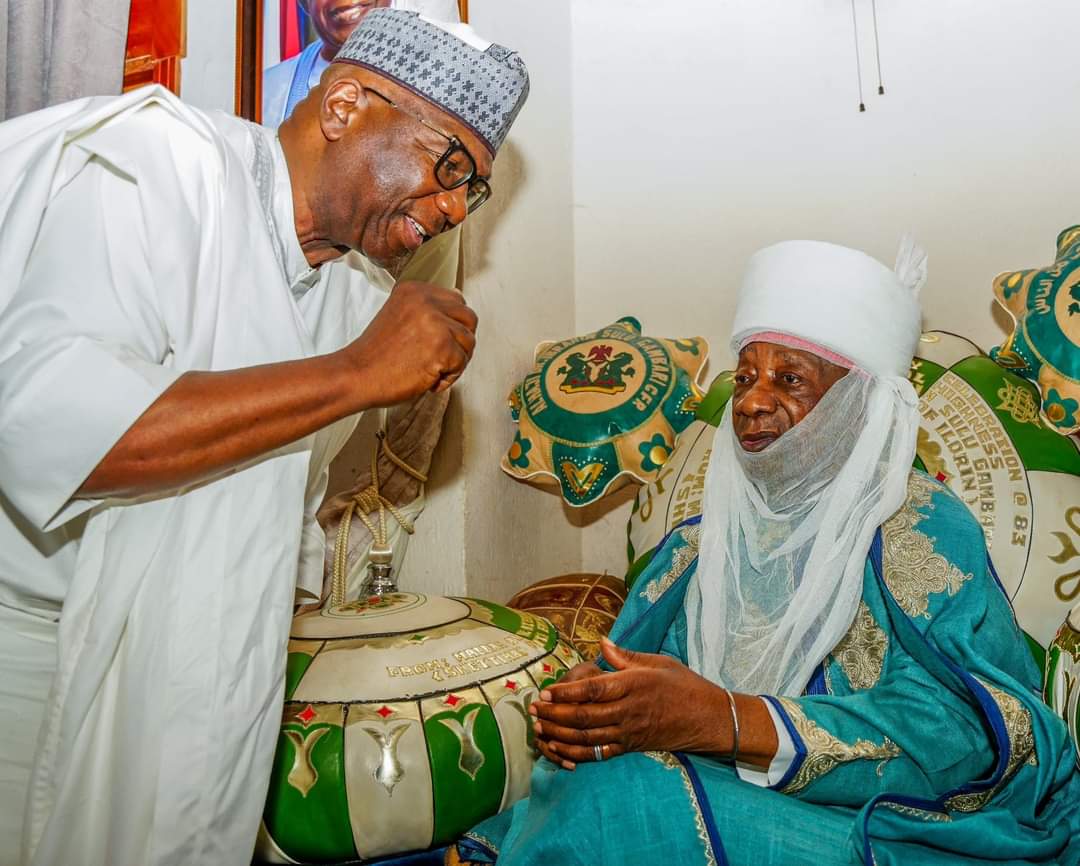
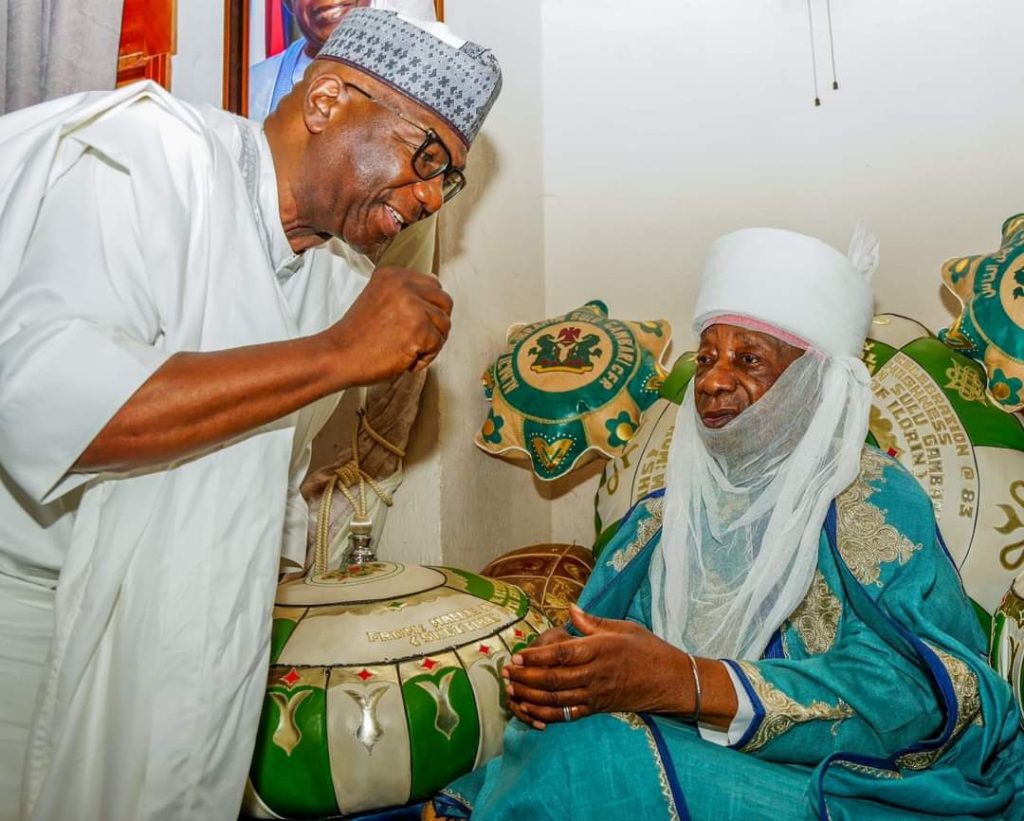
The Emir of Ilorin is the paramount ruler of the Ilorin Emirate, capital of Kwara State, Nigeria.
- Ilorin was originally a Yoruba settlement, founded in the 15th century as a frontier town of the Oyo Empire.
- In the early 19th century, during the decline of Oyo, the city became a center of Islamic scholarship under Sheikh Alimi (Fulani cleric, also known as Salih Janta).
- By 1823, Ilorin transformed into an emirate under the Sokoto Caliphate, with Sheikh Alimi’s descendants becoming its rulers.
- Since then, the emirate has been governed by the Alimi dynasty, blending Yoruba and Fulani heritage.
Meaning of the Title
- The title Emir reflects Ilorin’s incorporation into the Sokoto Caliphate system.
- The Emir is both a religious authority and traditional ruler, symbolizing Ilorin’s identity as a Yoruba city with deep Islamic and Fulani influence.
Role and Authority
- Spiritual Leader: Head of Islam in Kwara State, overseeing mosques and scholars.
- Cultural Custodian: Represents Ilorin’s unique Yoruba-Fulani identity.
- Mediator: Plays a central role in conflict resolution and interfaith harmony in Kwara.
- National Statesman: Recognized as a first-class monarch, influential in national councils.
The Palace
- The Emir’s Palace in Ilorin is an important cultural and political landmark, blending traditional Yoruba architecture with Islamic influences.
Notable Emirs
Sheikh Salihu (Alimi) – Early 19th century
- Founder of the Alimi dynasty.
- Brought Ilorin firmly under Islamic and Fulani influence.
Abdulkadir Dan Bawa (Emir from 1842–1868)
- Strengthened Ilorin’s position within the Sokoto Caliphate.
Sir AbdulKadir Dan Bawa II (1959–1992)
- The 9th Emir of Ilorin, who reigned for over 30 years, modernizing the emirate.
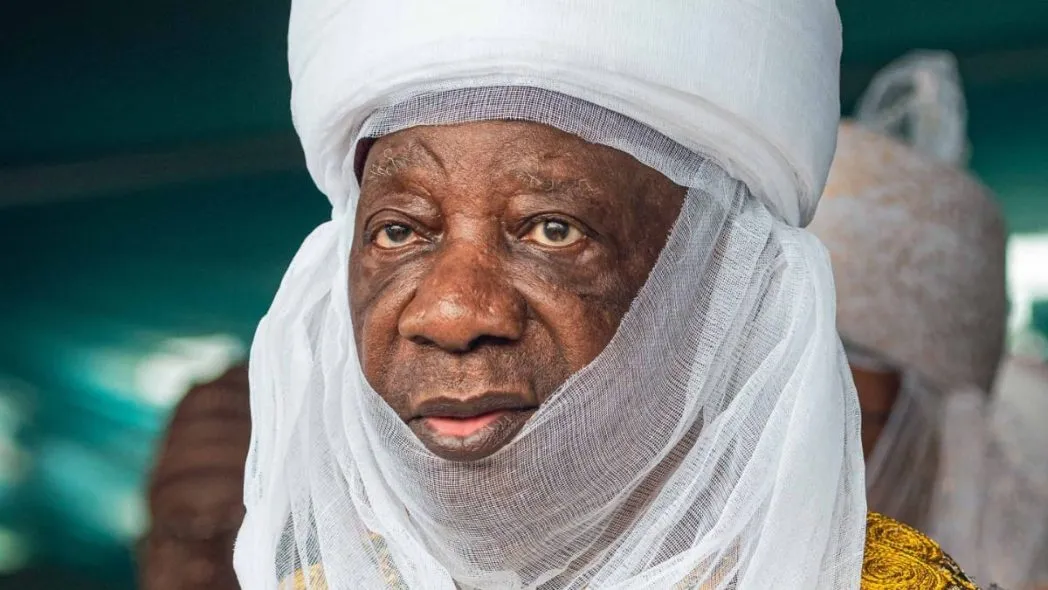
Current Emir: Alhaji (Dr.) Ibrahim Sulu-Gambari (1995–present)
- Installed in November 1995 as the 11th Emir of Ilorin, succeeding his predecessor Emir Aliyu Dan Abdulkadir.
- Born in 1940, he is from the Alimi ruling dynasty.
- Trained as a lawyer and jurist, he served as a Justice of the Court of Appeal before ascending the throne.
His Reign and Leadership
- Custodian of Ilorin’s Identity: Emphasizes Ilorin’s role as a unique blend of Yoruba culture and Islamic Fulani heritage.
- Scholarship and Religion: Promotes Islamic education and scholarship across Kwara State.
- Peace Advocate: Plays a fatherly role in maintaining religious harmony, as Kwara is home to both Muslims and Christians.
- National Statesman: Member of the National Council of Traditional Rulers of Nigeria, influential in bridging north and south.
Cultural Role
- Presides over festivals such as Durbar celebrations during Eid.
- Patron of Islamic scholars and Qur’anic schools in Ilorin.
- Encourages preservation of Yoruba language alongside Islamic traditions.
Legacy and Significance
- The Emir of Ilorin throne symbolizes the fusion of Yoruba and Fulani heritage, a unique cultural blend in Nigeria.
- Under Ibrahim Sulu-Gambari, the emirate has been a voice for peace, interfaith dialogue, and cultural pride.
- A monarch who connects Ilorin’s history to both northern and southern Nigeria.
Conclusion
The Emir of Ilorin is more than a monarch — he is the guardian of Yoruba-Fulani heritage, a spiritual father, and a national bridge-builder. From Sheikh Alimi’s founding dynasty in the 19th century to Ibrahim Sulu-Gambari’s reign today, the Ilorin throne remains a beacon of tradition, Islam, and unity in Nigeria.










Related Posts


Stay Informed With the Latest & Most Important News
Previous Post
Next Post
Advertisement

Donations







Loading Next Post...


