Now Reading: The Nigerian Gaming Industry: From Developers to Esports Champions
-
01
The Nigerian Gaming Industry: From Developers to Esports Champions
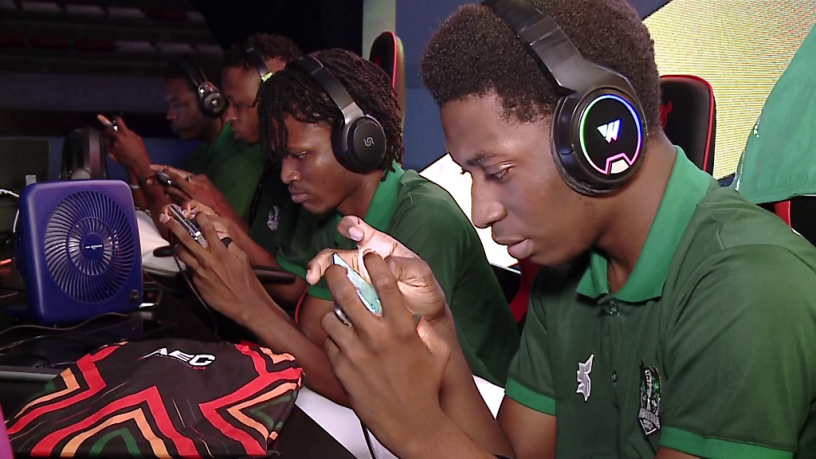

Video gaming is no longer just a pastime—it is a booming global industry worth over $180 billion. In Nigeria, the gaming scene is catching fire, fueled by young developers, a passionate player base, and the rapid growth of esports. From homegrown studios creating uniquely African stories to gamers competing on international stages, Nigeria’s gaming industry is emerging as a vibrant force in Africa’s digital economy.
🎮 The Rise of Local Game Developers
Nigerian developers are carving a niche by blending global game design with local storytelling:
- Kuluya Games: One of Nigeria’s pioneering studios, known for casual browser and mobile games inspired by African culture.
- Maliyo Games: Focused on mobile titles that feature African settings, characters, and folklore.
- ChopUp Games: Creating mobile games that reflect Nigerian lifestyles, such as Okada Ride and Mosquito Smasher.
- Indie Developers: A growing community of programmers and artists using tools like Unity and Unreal Engine to produce PC and mobile titles.
These studios prove that video games can be both entertaining and culturally relevant, helping to tell Nigerian stories to the world.
🕹️ The Growth of Esports
Esports—competitive video gaming—has become a global phenomenon, and Nigeria is joining the wave:
- Tournaments: Events like the GamrX Esports Tournament and African Esports Championship attract hundreds of players and thousands of online viewers.
- Popular Games: FIFA, Call of Duty, PUBG, and League of Legends dominate Nigerian esports competitions.
- Professional Players: Nigerian gamers are increasingly competing internationally, raising the country’s profile.
- Colleges and Communities: Universities and tech hubs are hosting esports clubs, giving young players platforms to train and compete.
📱 Why Gaming is Growing in Nigeria
- Mobile First: With over 120 million smartphone users, mobile gaming is the fastest-growing segment.
- Youth Demographics: Nigeria’s young population is highly tech-savvy and eager to engage with global trends.
- Internet Expansion: Better connectivity is enabling online multiplayer gaming and esports streaming.
- Creative Talent: Nigerian developers, animators, and storytellers are using games as a new form of cultural expression.
- Investment Potential: Venture capital and tech investors are beginning to see gaming as the next frontier of Africa’s digital economy.
🚧 Challenges Facing the Industry
- Infrastructure: Unreliable electricity and internet slow down development and gameplay.
- Funding: Game development requires significant investment, which is scarce in Nigeria.
- Limited Platforms: Local games struggle for visibility against international giants like EA and Activision.
- Cultural Perceptions: Gaming is still sometimes dismissed as a distraction rather than a career path.
🌍 Opportunities Ahead
- African Stories in Games: Leveraging folklore, history, and mythology for unique game narratives.
- Esports Careers: Beyond players, opportunities exist for shoutcasters, organizers, and content creators.
- International Collaboration: Partnerships with global studios could expand skills and markets.
- Government Support: Recognition of gaming as a creative industry could unlock funding and policy incentives.
✅ Conclusion
The Nigerian gaming industry is still young but brimming with potential. Local developers are creating authentic African games, while esports is uniting gamers in competition and community. With the right investment, infrastructure, and cultural acceptance, Nigeria could become a hub for African gaming and esports, exporting not just talent but also stories that resonate globally.
The controller is in Nigeria’s hands—the question is whether it will press start on its gaming future.










Related Posts


Stay Informed With the Latest & Most Important News
Previous Post
Next Post


Advertisement